
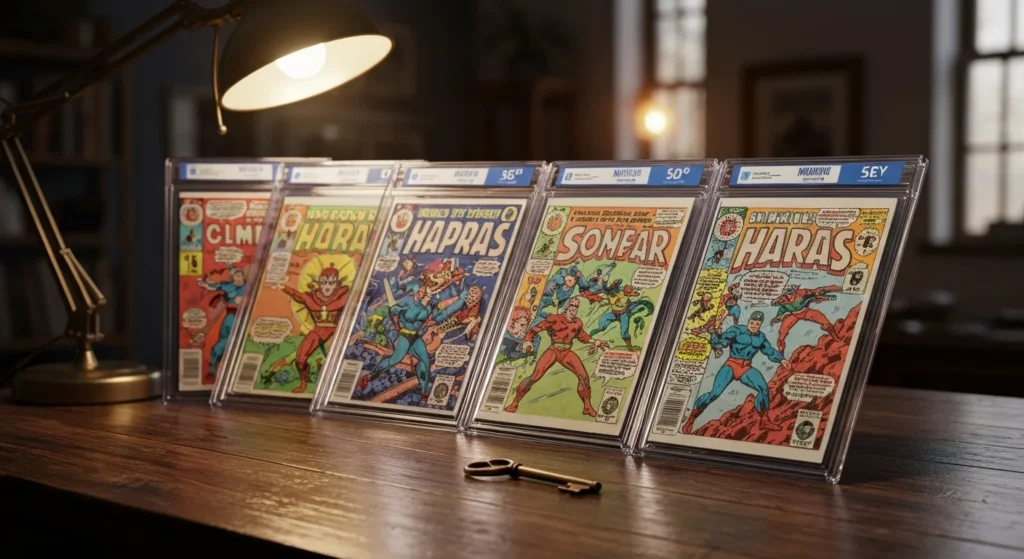
For collectors looking to maximize the financial potential of their collection in 2026, targeting specific comic book milestones is essential. For long-term capital preservation and steady appreciation, select vintage key issues comics from the Silver or Bronze Ages that feature the first appearances of iconic characters. For high-risk, short-term speculative growth, choose modern key comics containing debut characters tied to newly announced cinematic productions. Character debuts almost always hold value better than temporary story events, gimmick variant covers, or minor character deaths. This discrepancy exists because a character’s first appearance establishes a permanent baseline of historical significance. By contrast, cosmetic cover variations often lose relevance when collector hype shifts to newer printings. Identifying these critical issues requires looking beyond surface-level aesthetics to analyze publication history, print run sizes, and historical demand. Understanding how to spot these vital milestones transforms a casual accumulation of paper into a structured, highly valuable portfolio of cultural history.
Whether you’re building a collection or preparing to sell one, learning how to identify key issues is an essential first step. At Comic Buying Center, our specialists evaluate thousands of comic books each year, helping collectors recognize historically significant issues and understand their current market value before they decide to sell
Key Takeaways
- First appearances of major characters remain the most reliable drivers of long-term financial value in the comic hobby.
- Physical condition and official third-party grading can shift a key book’s market value by thousands of dollars.
- Identifying historical publication eras helps collectors understand the scarcity and market demand of specific key issues.
- Avoiding common speculative traps, such as overhyped modern cover variants, protects collectors from sudden market corrections.
- Working with professional buyers ensures accurate grading and fair valuations when liquidating high-value collectibles.
What Defines Key Issues Comics in Today’s Market?
Key comics are specific issues that hold substantial historical significance, cultural impact, or market demand. These books stand out from ordinary issues because they contain major milestones that permanently change a character’s trajectory or the comic book landscape. The most common drivers of key status include first appearances of heroes or villains, origin stories, deaths of major characters, and iconic cover artwork. Significant changes in creative teams or the introduction of groundbreaking storylines also elevate an issue to key status.
In the modern collectibles market, these publications represent the blue-chip assets of the industry. According to historical transaction data from GPAnalysis, key issues consistently outperform common books by margins of several thousand percent over multi-year cycles. While a standard issue from 1975 might sell for five dollars today, a major key issue from that exact same year can easily fetch hundreds or thousands of dollars. The physical supply of these older books continues to shrink due to natural degradation, lost collections, and improper storage. This shrinking supply combined with steady demand creates a highly competitive environment for collectors chasing these prized books.
Understanding the factors that elevate a standard issue to a coveted key allows collectors to evaluate their inventory accurately. Determining value requires studying historical context rather than personal preference. Utilizing a professional comic book price guide assists in tracking these market differences. It ensures that you do not overlook a valuable book hidden inside a standard long box. Many collectors possess valuable books without ever realizing their historical significance because the cover does not explicitly state the milestone inside.
Core Indicators for Identifying Key Comics Instantly
Identifying key issues comics in a massive stack requires looking for specific, highly recognizable visual and textual markers. The most obvious indicator is often the cover art itself, which frequently spotlights new characters or major historic confrontations. Publishers historically highlighted special issues by using bolder lettering, unique border designs, or price variations that denoted giant-size editions. These visual cues were designed to draw the eye of newsstand buyers and still serve as helpful markers today.
Experienced buyers look for key numbering milestones, such as issue number one, or major centennial numbers like one hundred, three hundred, or five hundred. However, many of the most valuable key comics do not feature round numbers at all. Instead, they occur in the middle of a writer’s run when a new antagonist suddenly debuts. For instance, a random issue in the middle of a run might feature a classic cover battle that collectors have sought after for decades, elevating its price above the surrounding issues.
To identify these hidden treasures quickly, examine the front cover for text such as “Introducing,” “First Spectacular Issue,” or “Origin of.” These phrases frequently signal a major character debut or a foundational shift in the series lore. You must also check the copyright indicia page inside the front cover. This page reveals the exact publication date, volume number, and print run details. Many modern keys are actually second or third printings that had much smaller distribution numbers, making them incredibly rare. Always verify these details against established databases to confirm the historical status of any comic in your possession.
Categorizing Key Issues Comics Across Historical Eras
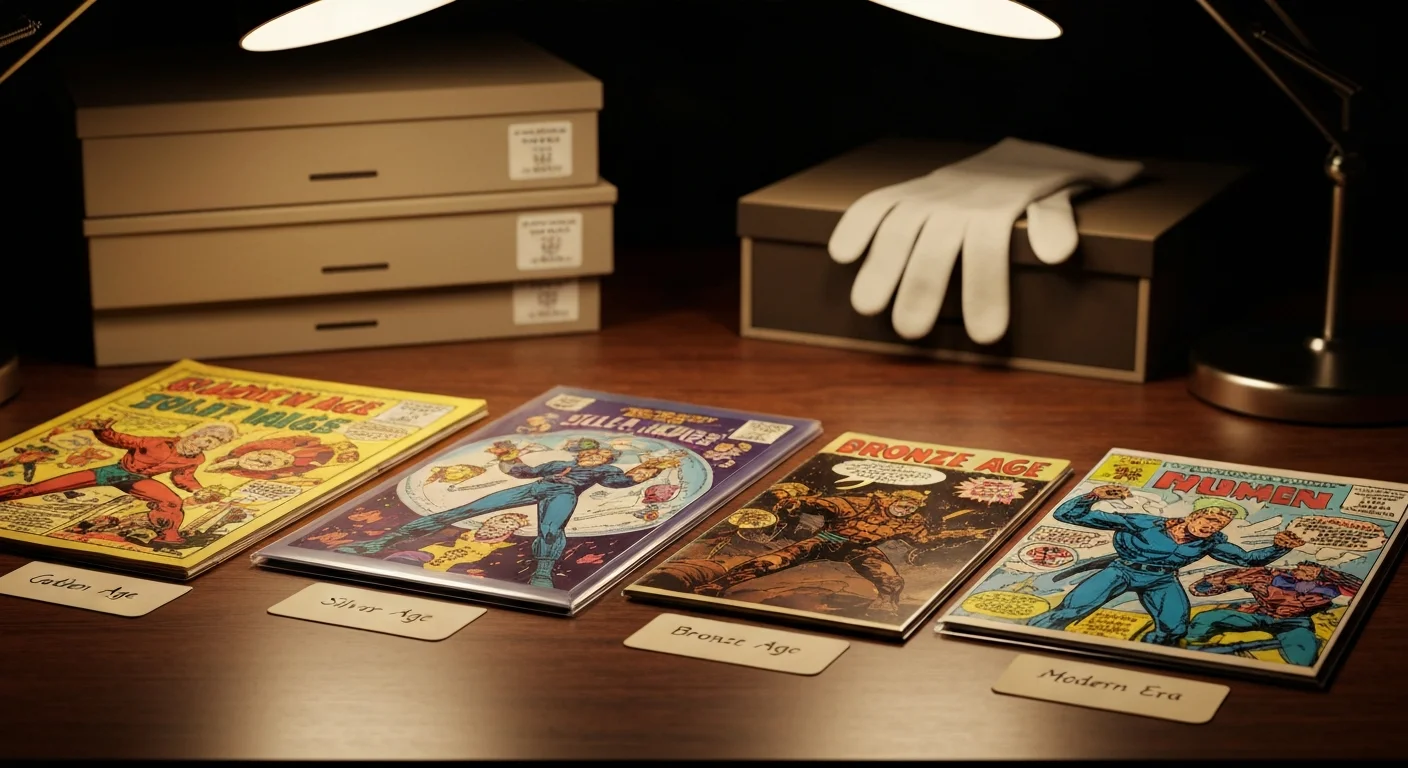
The era of a comic book’s publication largely dictates its scarcity, paper quality, and overall market dynamics. Collectors divide comic history into distinct eras, each with its own legendary key publications and physical characteristics.
Golden Age key comics, published from 1938 through 1956, are extremely rare due to low initial print runs and wartime paper drives. These books introduced foundational superheroes like Superman, Batman, and Wonder Woman. Because of their age, finding Golden Age keys in high-grade condition is exceptionally difficult. Even heavily worn copies of these books frequently command premium prices because very few survived the era. The materials used in this era were highly acidic, causing the pages to yellow and become brittle over time.
Silver Age key comics span from 1956 to 1970 and represent the birth of modern Marvel heroes. This era saw the introduction of Spider-Man, the Avengers, the X-Men, and the Fantastic Four. These issues feature highly sought-after first appearances that form the bedrock of modern entertainment. For example, Silver Age Marvel publications like The Amazing Spider-Man 50 represent massive cultural milestones. This specific issue features the first appearance of the Kingpin, a character who remains highly relevant across modern television and film. The bright cover designs and dynamic action layouts of this era make them highly desirable for display purposes.
Bronze Age key comics, running from 1970 to 1985, transitioned into darker, more mature storylines. This period introduced anti-heroes like Wolverine, the Punisher, and Ghost Rider. Bronze Age keys are highly collectible because they bridge the gap between extreme vintage scarcity and modern availability. The print quality improved during this era, but newsstand distribution still meant that many copies suffered heavy handling wear before ever reaching a collector’s hands.
Copper Age and Modern Age keys, from 1986 to the present, rely heavily on low print runs, variant covers, and media adaptations. While modern comics exist in massive quantities, specific issues with low print runs or surprise character debuts can experience rapid price spikes. Recognizing which era your book belongs to is the first step in assessing its historical importance and potential market value. Modern keys require much stricter grading standards, as even minor flaws can completely destroy their market premium.
Key Comic Book Valuation and Grading Comparison
Valuing key issues comics requires a careful balance of identifying historical significance and assessing physical preservation. The market assigns values based on a strict grading scale ranging from 0.5 (Poor) to 10.0 (Gem Mint). A tiny crease or a minor spine tick can drastically alter the final market price of a rare book. Collectors use professional third-party grading services to authenticate and protect these valuable assets.
If you’re considering selling a valuable comic, accurate identification and grading are just as important as market demand. At Comic Buying Center, every collection is evaluated individually based on historical significance, condition, rarity, and current collector demand rather than generic price estimates found online.
To illustrate how different key categories compare in the current market, review the comparison table below. This table highlights average price ranges and value drivers across common key designations in the collectibles landscape.
| Key Issue Category | Primary Value Drivers | Average Price Range (Mid to High Grade) |
|---|---|---|
| Major Golden Age Debut (e.g., Action Comics #1) | Extreme scarcity, foundational pop-culture history, fragile newsprint survival. | $50,000 to $3,000,000+ |
| Major Silver Age Debut (e.g., Amazing Fantasy #15) | First appearances of primary pop-culture icons, high demand among nostalgic investors. | $10,000 to $500,000+ |
| Bronze Age Villain Debut (e.g., Hulk #181) | Introduction of highly popular characters, crossover appeal, shifting storyline tones. | $2,500 to $50,000+ |
| Modern Age Speculative Key (e.g., Edge of Spider-Verse #2) | Low initial print runs, media adaptations, rapid social media hype cycles. | $200 to $5,000+ |
| Classic Artist / Milestone Cover (e.g., Batman #227) | Iconic visual art, homage covers, work of legendary illustrators. | $150 to $3,000+ |
As shown in the table, older keys command massive premiums due to historic scarcity. However, modern keys can still reach impressive prices if they feature a highly sought-after debut. Understanding these tiers helps collectors determine where to focus their acquisition budgets. It is also vital to recognize how physical wear impacts these numbers. To learn more about how physical wear reduces value, examine our guide on How Does Comic Book Condition Affect Value?. A book that looks beautiful to the naked eye may contain hidden flaws that significantly impact its ultimate value.
Expert Tips to Avoid Costly Speculation Mistakes
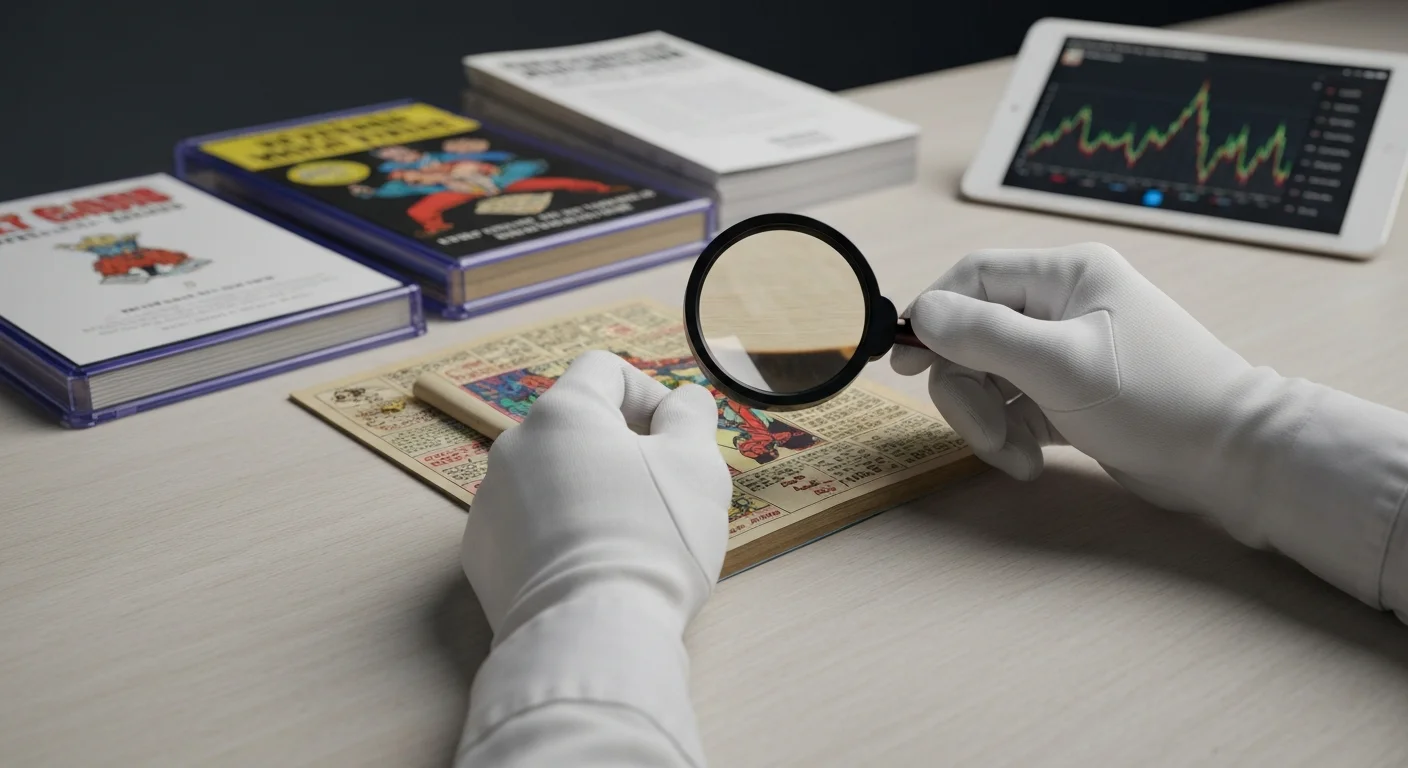
Navigating the vintage comic book market requires a disciplined approach to avoid common financial pitfalls. Many novice collectors make the critical mistake of buying into speculative market bubbles. These bubbles often occur around modern variant covers or characters rumored to appear in upcoming films. When the media hype fades or the film project is cancelled, the value of these speculative keys often collapses overnight.
One major professional mistake is purchasing raw, uncertified comic books at high-grade prices without a professional inspection. Sellers often misrepresent the condition of their books to secure higher payouts. According to official grading reports published by the Certified Guaranty Company, more than half of the raw books submitted as “Near Mint” by amateur collectors actually return with lower mid-range grades. This grading discrepancy can result in an immediate loss of investment capital. Raw books must always be evaluated with a conservative eye, assuming hidden defects are present until proven otherwise.
Another common error is failing to detect subtle restoration work. During the Golden and Silver Ages, owners often used amateur techniques to repair damaged books. These techniques included applying wet glue to loose spines, using felt-tip markers to touch up color loss, or trimming frayed edges with scissors. Professional grading services heavily penalize restored books, often slashing their market value by 50% to 70% compared to unrestored copies. This makes the ability to spot restoration one of the most valuable skills a collector can develop.
To protect your capital, always inspect the centerfold staples for signs of replacement or cleaning. Look closely at the cover edges under a magnifying glass to check for unnatural cuts or color bleeding. If you are unsure about the authenticity or condition of a book, consult with an experienced dealer who handles certified collectibles daily. Developing a relationship with trusted professionals ensures you make informed, risk-free purchases. This professional oversight is especially crucial when dealing with high-ticket vintage keys.
Step-by-Step Guide to Verifying a Potential Key Comic
When you discover a promising comic book in an old collection, you must follow a methodical verification process. This structured approach helps you confirm its status as a genuine key issue and estimate its market value accurately.
- Verify the publication details: Open the cover and locate the copyright indicia box, typically found at the bottom of the first page or the inside front cover. Confirm the exact title, issue number, and publication year to ensure you do not have a later reprint.
- Inspect the front and back covers: Look for specific text, character cameos, or unique pricing details that indicate a first printing. Note any visible flaws, spine stress lines, or page yellowing that could affect the grade.
- Analyze internal pages: Gently leaf through the book to confirm that all pages and advertisements are present. Check for missing coupons or clipped letters pages, which severely reduce the book’s value.
- Cross-reference with trusted databases: Search resources like Key Collector Comics to identify the exact significance of the issue, including first appearances or classic storylines.
- Compare recent verified sales: Look up recent transaction records of graded copies on reputable auction platforms to establish a realistic price range based on actual market demand.
Once you’ve confirmed that your comic is a genuine key issue, the next step is deciding whether to keep it, grade it, or sell it. Our guide on sell comic books explains how professional buyers evaluate collections, what factors influence offers, and how to prepare your books for appraisal.
By following these steps, you protect yourself from overpaying for common reprints or damaged copies. Taking your time during the inspection process prevents costly mistakes and ensures your collection holds genuine value. Reprints are incredibly common in the comic book industry, and many look nearly identical to the original editions at first glance. Careful verification of the copyright information is the only way to be absolutely certain of what you own.
FAQ
What makes a comic book a key issue?
A comic book becomes a key issue when it contains an important historical event, such as a character’s first appearance, origin story, or death. Other factors include major creative team changes, iconic cover art, or a significant shift in the series storyline. These milestones generate sustained collector demand and higher market values compared to standard issues.
How do I know if my vintage comic is a key comic?
You can identify a key comic by checking the issue number, publication year, and cover art against professional price guides. Look for prominent character introductions, special anniversary numbering, or phrases like “First Issue” or “Origin” on the cover. Verifying the issue’s copyright indicia inside the book will confirm its exact printing and historical significance.
Are modern variant covers considered key issues?
Some modern variant covers achieve key status due to their extreme scarcity, stunning cover art, or first-time artist pairings. However, many modern variants do not hold long-term value because they lack the historical narrative importance of a character debut. Collectors should focus on first appearances rather than purely cosmetic covers for more stable long-term investments.
Which key comics are currently the most valuable?
The most valuable key comics are Golden Age and Silver Age publications featuring the debuts of legendary characters. Issues like Action Comics #1, Detective Comics #27, and Amazing Fantasy #15 lead the market, often selling for millions of dollars in high-grade condition. These books represent foundational pop-culture milestones with extremely limited surviving copies.
How does restoration affect the value of key issues comics?
Restoration heavily reduces the market value of key comics, often decreasing their worth by 50% to 70% compared to unrestored copies. Common restoration techniques, such as color touch, glue repairs, or edge trimming, are viewed unfavorably by serious collectors. Third-party grading companies label restored books with a distinct colored label to warn potential buyers.
Can I sell raw, ungradable key comics for a premium?
Yes, you can sell raw key comics for a premium if they are highly sought-after issues with clear historical significance. While third-party grading maximizes value, many collectors still actively buy raw keys to complete their personal runs or to read original copies. Working with a professional buyer ensures you receive a fair price based on an accurate, honest assessment of your raw books. Learning to identify key issue comics gives collectors a significant advantage, whether they’re expanding a collection, purchasing investment-grade books, or preparing to sell. By understanding first appearances, publication history, condition, and grading standards, you can recognize valuable comics that others may overlook. If you’re unsure about a book’s significance or current market value, a professional appraisal can help you make informed decisions before buying, grading, or selling.