
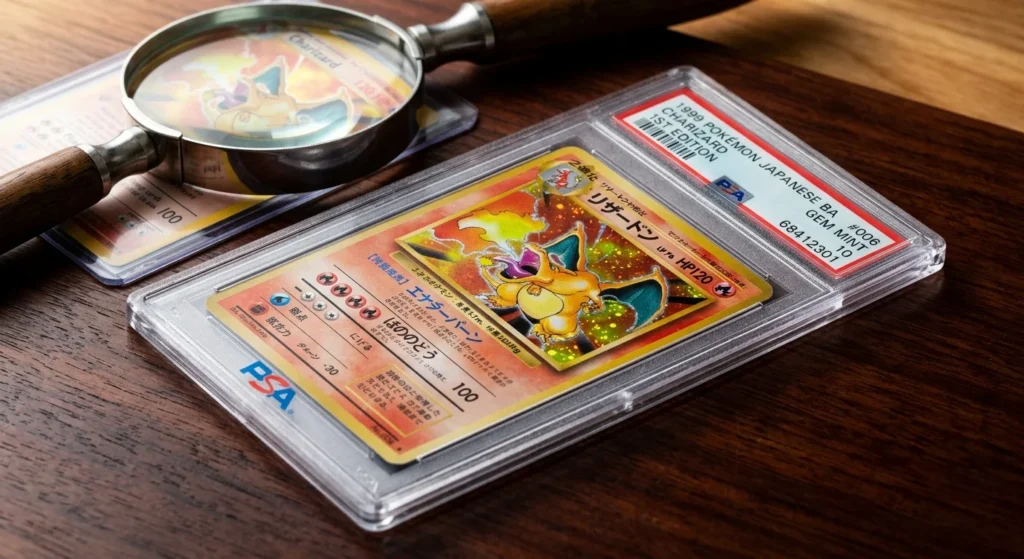
For mainstream collectors and competitive players looking for maximum liquidity and broad market demand, English Pokémon cards are the superior choice. For purists, high-grade investors, and fans of exclusive promotional releases, Japanese Pokémon cards offer far greater upside. Generally, English cards command higher average prices on the global secondary market because they are playable in international tournaments and carry immense childhood nostalgia for Western buyers. However, Japanese cards frequently outshine English versions in print quality, texture detail, and exclusive art layouts. When looking at high-end holographic cards or limited-edition promos, the Japanese variants are often significantly more valuable and appreciate faster. Deciding which to collect depends on whether your goal is fast, local liquidity or long-term preservation of pristine, artistic rarities.
Key Takeaways
- English cards possess higher baseline liquidity and market demand in Western countries due to tournament legality and language accessibility.
- Japanese cards feature superior manufacturing, boasting better card stock, sharper centering, cleaner edges, and more intricate holofoil texturing.
- Certain Japan-exclusive promotional cards, such as Pokémon Center events and trophy cards, represent the most expensive collectibles in the entire hobby.
- Due to strict quality control, Japanese cards are easier to grade as PSA 10, whereas PSA 10 English cards can carry a higher scarcity premium.
- Understanding the specific market dynamics for each language is crucial before choosing where to allocate your collecting or investing budget in 2026.
Are Japanese Pokemon Cards Worth Anything?
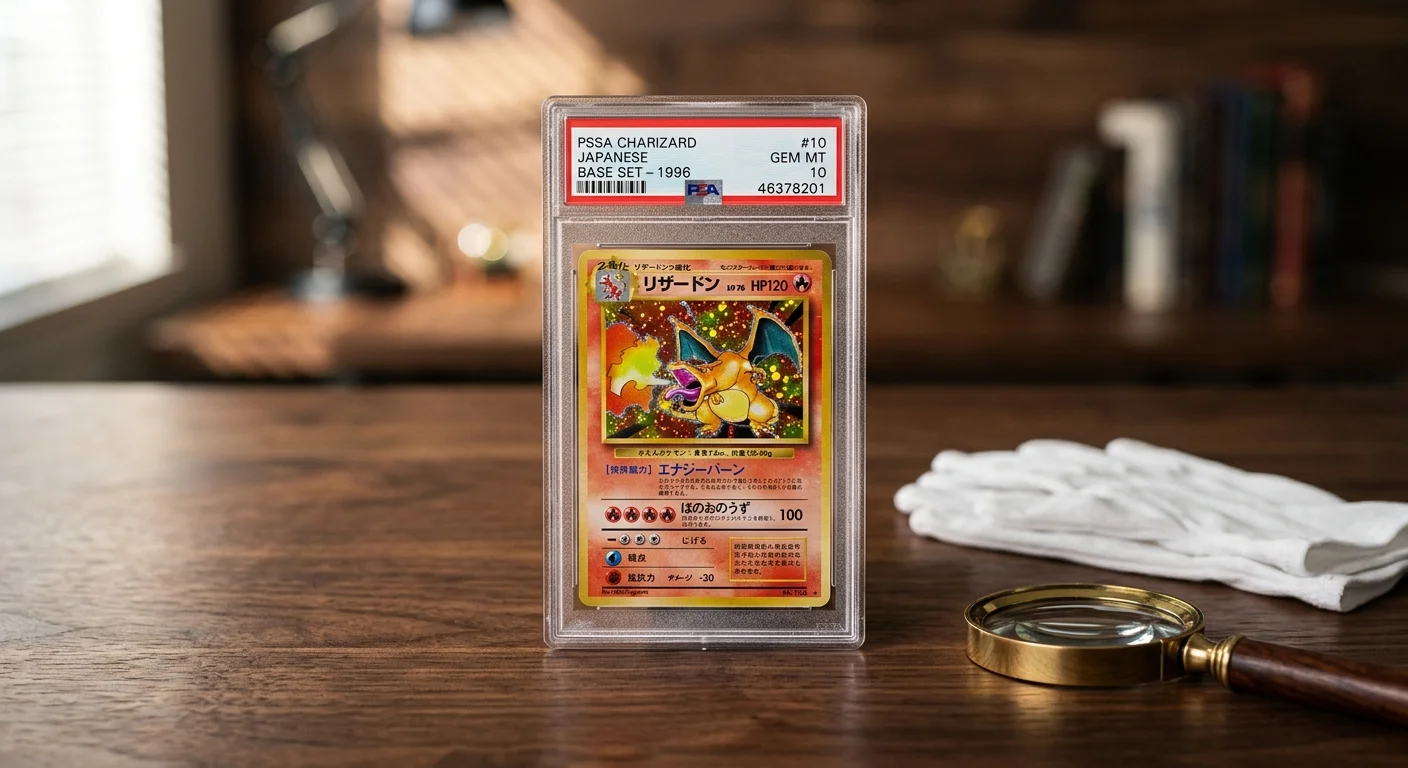
Japanese Pokémon cards possess substantial monetary value and represent a massive segment of the global collectibles market. Many collectors mistakenly believe that cards printed in Japanese are worthless outside of Japan due to the language barrier. In reality, the international market for Japanese pocket monster cards has expanded dramatically. Collectors actively seek these cards for their unique aesthetic appeal, historical significance, and historical set variants.
The worth of a Japanese Pokémon card is determined by its print run, age, card type, and preservation. Vintage Japanese cards from the Base Set, Neo Era, and the e-Reader series frequently command hundreds or thousands of dollars in excellent condition. Furthermore, because Japanese sets are released earlier than their English counterparts, a highly anticipated card can command a premium as collectors worldwide rush to acquire the newest artwork first.
According to market data tracked by the eBay Collectibles Group, sales for Japanese pocket monster products outside of Asia have maintained steady year-over-year growth. This sustained interest demonstrates that language barrier is no longer a deterrent for Western collectors who appreciate the historical roots of the franchise. For those holding old collections, it is highly recommended to learn how to check Pokémon card value before letting go of early Japanese holos.
Are Japanese Pokemon Cards Worth More than English?
The question of whether Japanese Pokémon cards are worth more than English versions does not have a simple yes or no answer. To understand the pricing dynamics, collectors must distinguish between standard set cards and high-end promotional cards. For standard rare cards pulled from booster boxes, the English versions are almost always worth more on the secondary market. This pricing gap exists because English cards can be played in official Play! Pokémon tournaments outside of Japan, boosting their demand among competitive players.
For example, a standard Special Art Rare (SAR) of a popular character might sell for $80 to $120 in English. The exact same card in Japanese might only command $40 to $60. This discrepancy is also influenced by pull rates. Historically, Japanese booster boxes have guaranteed a specific number of secret rare cards per box. This guarantee makes individual rare cards easier to target and pull, which naturally increases the overall supply and lowers the individual raw price.
However, the dynamic flips entirely when examining limited-edition promotional items, trophy cards, and exclusive collaborations. In these high-end categories, Japanese cards are significantly more valuable than English releases. The most expensive Pokémon card in history is a Japanese exclusive: the 1998 Illustrator Pikachu. This card was awarded to winners of an illustration contest and sold for a record-breaking $5.27 million. The highest-selling English card, a First Edition Shadowless Charizard, sold for approximately $420,000. When comparing these historical peaks, the peak value of Japanese cards reigns supreme.
Why Are Japanese Pokemon Cards More Expensive in Specific Categories?
The premium pricing of specific Japanese Pokémon cards stems from several structural, cultural, and manufacturing factors. Japan frequently hosts unique events, art exhibitions, and partnerships that produce exclusive promotional cards. These cards are never printed in English or distributed outside of the Japanese market, which creates immediate global scarcity.
Several factors drive up the prices of these specific Japanese releases:
- Exclusive Art Collaborations: The Pokémon Company regularly partners with cultural landmarks, such as the Tokyo Metropolitan Art Museum or the classic post office stamps. Cards like the “Munch Scream” promos or the “Kanazawa Pikachu” are highly coveted art pieces that never received English adaptations.
- Limited Distribution Channels: Many high-value Japanese cards are distributed via lottery systems, gym tournaments, or as purchases tied to specific merchandise at the Pokémon Center. This keeps the initial circulating supply incredibly low.
- Superior Texture and Foil Layouts: Japanese printing presses utilize advanced texturing techniques that create a deeply defined, three-dimensional look on modern secret rares. Collectors are willing to pay more for a card that is visually superior to its flatter English equivalent.
Because of these factors, importing these items involves shipping fees, middleman costs, and customs tariffs. These logistical hurdles raise the baseline acquisition cost for Western collectors, making Japanese promotional products more expensive by the time they hit the secondary market in the United States.
Print Quality and Grading: The PSA 10 Phenomenon
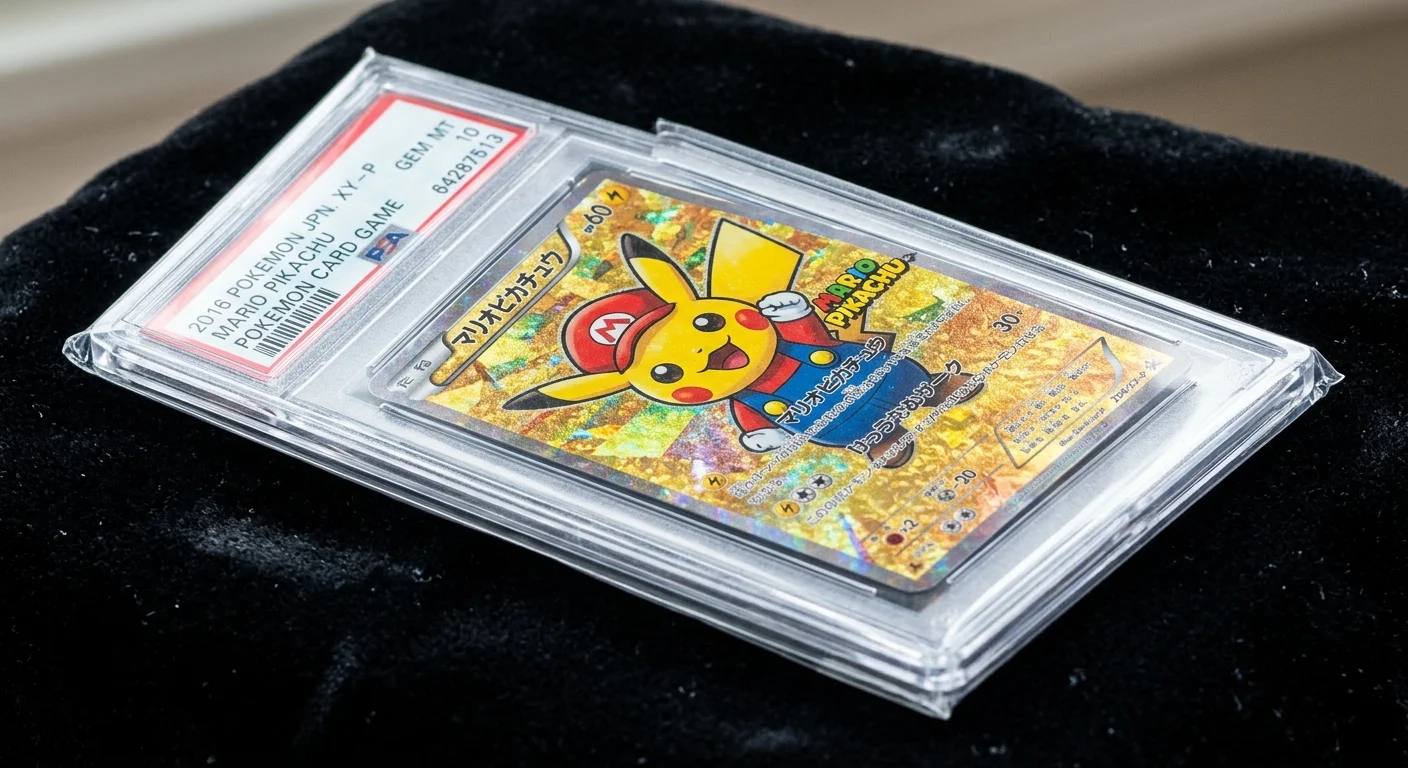
A critical factor in comparing card values is the print quality of the manufacturing plants. Japanese cards are printed primarily at high-standard facilities in Japan, historically overseen by Media Factory. These plants utilize superior card stock, cleaner cutting blades, and highly rigorous quality control standards. As a result, Japanese cards rarely suffer from the off-centering, silvering edges, or print lines that frequently plague English cards printed by Millennium Print Group in the West.
This difference in print quality directly impacts professional card grading. When submitting raw cards to grading companies like the Professional Sports Authenticator (PSA), a significantly higher percentage of Japanese cards receive the coveted Gem Mint 10 grade. Because a PSA 10 Japanese card is relatively common compared to an English counterpart, the “grading premium” for Japanese cards is often lower.
Conversely, because English cards are so difficult to find in pristine condition, an English card that successfully secures a PSA 10 grade can experience an astronomical jump in value. If you have a flawless English card, it might end up being worth far more than a Japanese PSA 10 of the same card simply because of how difficult it is to find a perfect English copy. Knowing where to sell Pokémon cards of this caliber is essential to capturing that condition-based premium.
Comparative Breakdown: English vs. Japanese Pokémon Cards
To help collectors visualize the structural and economic differences between the two languages, the following table compares key market metrics based on historical sales and collector behaviors leading into 2026.
| Feature Category | English Pokémon Cards | Japanese Pokémon Cards |
|---|---|---|
| Average Standard Card Price | Higher ($15 to $150+ for typical modern secret rares) | Lower ($5 to $80 for typical modern secret rares) |
| High-End Promo Prices | Moderate ($50 to $500 for standard store promos) | Extremely High ($500 to $10,000+ for exclusive event promos) |
| Manufacturing Quality | Variable (Prone to print lines, whitening, and off-centering) | Superior (Sharp borders, glossy finishes, deep texturing) |
| PSA 10 Grade Accessibility | Difficult (Commands a massive premium due to scarcity) | Moderate (High population of gem mint copies limits standard premiums) |
| Tournament Legality | Worldwide legal (Highly liquid among players) | Restricted to Asian tournament regions |
Collector Strategy: Which Version Should You Buy and Sell?
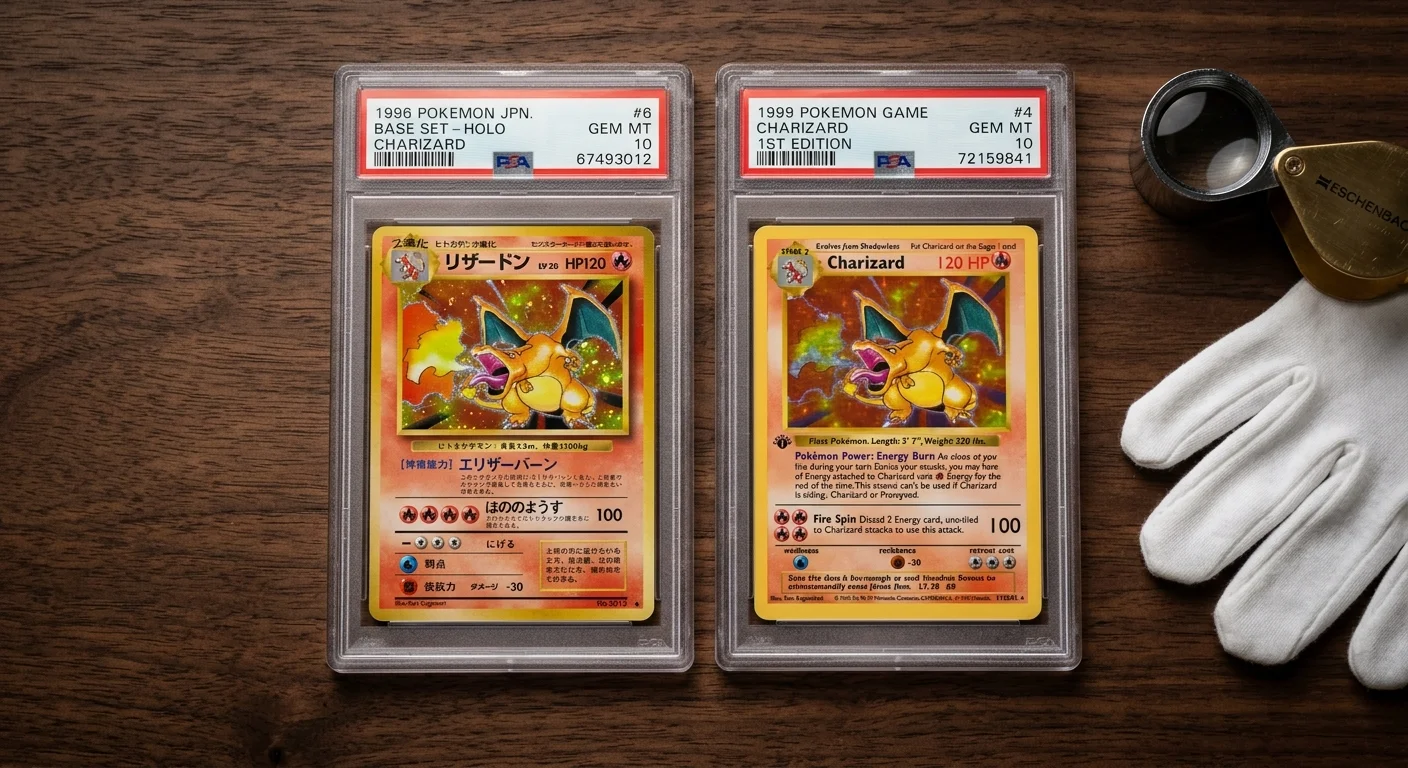
Navigating the trading card market requires a clear understanding of your personal collecting goals. If you are a player who wants to participate in local tournaments, or a reseller seeking high-volume, rapid sales, focusing on English products is the most practical path. English cards move quickly because the buyer pool is massive and local hobby shops can easily appraise and flip them.
If you prefer to collect for the pure appreciation of the artwork, or if you want to target the high-end collector market, Japanese cards are highly rewarding. When pursuing Japanese cards, focus on vintage holographic cards from the 1990s or limited-run promotional boxes. These categories have proven resilient against market fluctuations.
To build a successful collection or liquidate your current holdings, follow these professional steps:
- Identify your cards accurately: Verify the set symbol, language, and release year to avoid misidentifying a common reprint as a rare original print.
- Inspect the condition under direct light: Check the back of the card for tiny white specks along the edges, scratches on the foil, or surface indentation.
- Store your items properly: Use acid-free penny sleeves and rigid top-loaders to preserve the card’s surface and prevent warping from humidity.
- Seek professional appraisals: When you are ready to sell, work with an experienced buyer who can provide clear valuations and immediate payouts.
A common professional mistake made by novice collectors is chasing the speculative “waifu” hype cycle of modern Japanese female trainer cards. During release weeks, these cards are heavily manipulated online, sometimes soaring to temporary highs of $1,000 before crashing back down to $150 once the set is printed to meet demand. Avoid buying modern Japanese sets during the pre-order craze; instead, wait for market stabilization or focus your capital on established vintage pieces.
The global trading card game market is projected to reach billions of dollars by the end of the decade, according to market analysis by Verified Market Research. This growth makes it a great time to evaluate your collection. Whether you are looking to clear out older cards or consolidate your collection into high-grade rarities, you can safely sell Pokemon cards to a trusted specialist who understands the distinct nuances of both Western and Eastern prints.
FAQ
Are Japanese Pokemon cards worth anything if they have minor wear?
Yes, vintage Japanese cards from the 1990s and early 2000s still carry value even with minor wear, scratch marks, or edge whitening. However, modern Japanese cards are highly condition-sensitive, and any visible damage will significantly reduce their market price because collectors expect immaculate condition for modern releases.
Why are Japanese Pokemon cards more expensive during pre-orders?
Japanese booster boxes are often printed in smaller, controlled batches initially, which causes a temporary supply shortage outside of Japan. Exporters and online sellers mark up the pre-order prices due to high demand from collectors who want to open the new cards first, though prices typically drop once printing runs catch up.
Can you use Japanese Pokemon cards in official English tournaments?
No, the official Play! Pokémon tournament rules state that players must use cards printed in the official local language of their tournament region. In North America and Europe, players must use English-translated cards (or other permitted European languages), making Japanese cards illegal for competitive play in those areas.
How can you tell if a Japanese Pokemon card is real or fake?
Authentic Japanese cards feature highly distinct, crisp text, vibrant colors, and unique card backing designs that have changed over the generations. Many high-value modern Japanese cards also feature intricate fingerprint-like textures on the surface of secret rares, which counterfeiters are rarely able to replicate accurately.
Is it better to buy Japanese booster boxes or English booster boxes?
If your goal is a fun opening experience with consistent, guaranteed pull rates and high-quality card stock, Japanese booster boxes are generally superior. If you are looking for maximum investment liquidity and cards that you can immediately play with at local hobby stores, English booster boxes are the better purchase.
Which Japanese Pokemon cards are the most valuable to collect?
The most valuable Japanese cards are exclusive promo cards, such as those distributed through Japan-only tournaments (Trophy cards), the Pokémon Center Stamp Box, or early CoroCoro comic book inserts like the Shining Mew. These limited-run items are highly insulated from market crashes due to their historical significance and absolute scarcity.