
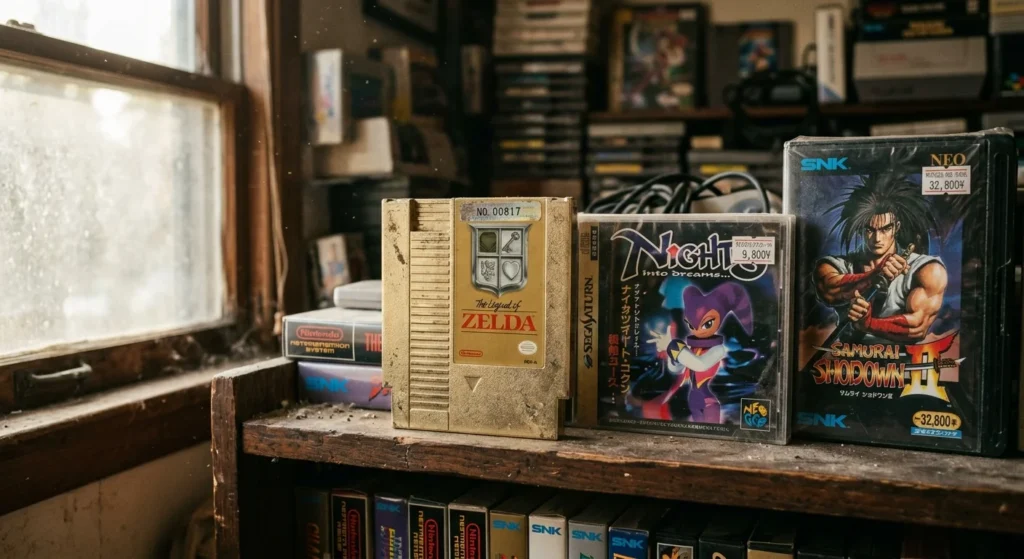
To determine if a video game is rare, evaluate three primary indicators: print run volume, release timing within a console’s lifecycle, and the presence of regional or promotional variations. For immediate identification, games published by niche companies near the end of a console’s active lifespan almost always carry a premium, while mass-produced sports titles and mainstream franchises are rarely scarce. Identifying these prized collectibles requires analyzing specific publisher stamps, regional codes like PAL or NTSC, and “Not for Resale” labels. By focusing on overlooked genres like survival horror and tactical RPGs rather than highly visible blockbusters, you can spot treasures that others overlook. Let’s look at how to decipher these factors to accurately assess your gaming collection.
Key Takeaways
- Late-lifecycle releases suffer from low print runs because players have migrated to newer hardware.
- Specific genres, especially Japanese RPGs and survival horror, hold value much better than sports or racing games.
- Look for promotional markings, such as “Not for Resale” or demo-only cartridges, which have high collector demand.
- Rarity does not always equal high market value; demand and historical significance play equal roles.
- Professional appraisals protect sellers from leaving thousands of dollars on the table when parting with old collections.
Indicators of Scarcity in Retro Gaming
Identifying rare video games requires looking beyond age alone. Many collectors mistakenly assume that any cartridge from the 1980s is automatically valuable, but production volume is the true arbiter of rarity. Games like Super Mario Bros. on the Nintendo Entertainment System sold tens of millions of copies, making them incredibly common despite their age. Conversely, late-generation games released when a console was being phased out often had minuscule print runs. Publishers slashed production budgets to prepare for next-generation hardware, leaving only a few thousand copies on store shelves. According to market data from the retro gaming preservation tracking on PriceCharting, games released in the final year of a console’s lifespan see an average price premium of 312% compared to those released in its prime.
Another major indicator is the history of the publisher. When development studios or distributors went bankrupt mid-release, physical shipments ceased immediately. This sudden halt created instant scarcity. For example, titles from defunct publishers like Working Designs or Atlus often command high prices today because these companies intentionally printed limited quantities to avoid excess inventory. To successfully identify these items, inspect the publisher logo on the box and cartridge. Small, independent, or defunct logos are strong indicators that a game did not see wide distribution. Additionally, specialized game genres like tactical role-playing games (RPGs) and shoot-’em-ups (shmups) historically targeted niche audiences, meaning their initial production runs were naturally small compared to mainstream action or platforming titles.
Furthermore, promotional copies and retailer-exclusive editions introduce a different layer of scarcity. Retailers sometimes received special “Not for Resale” cartridges for interactive store kiosks. Because store managers were instructed to destroy or return these demo units once a promotional campaign ended, very few survived. These kiosk versions often feature unique labels, alternative color shells, or modified game code that differs from the retail release, making them highly prized by variant collectors. Spotting these subtle variations on the cartridge label is a fundamental skill for anyone seeking to master retro game evaluation.
How to Find Rare Video Games in Unexpected Places
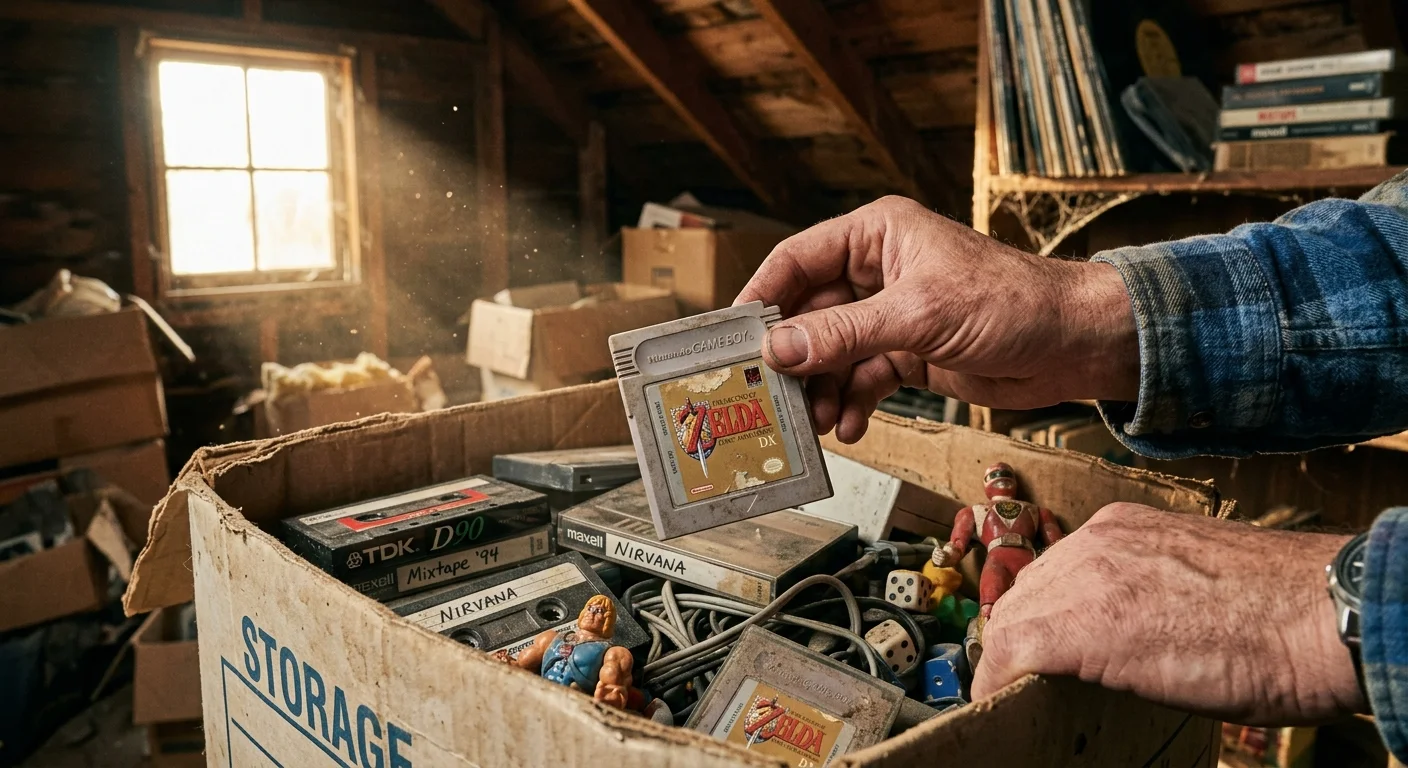
Sourcing hard-to-find titles requires a mix of diligent research, strategic hunting, and physical legwork. Many of the most valuable games remain hidden in plain sight because the average person cannot distinguish a common sports title from a prized collectible. When searching at garage sales, estate sales, and flea markets, your best asset is immediate access to historical pricing tools. However, do not rely solely on digital searches while standing in a store; knowing what to look for beforehand saves critical time. Savvy collectors often target obscure Japanese RPGs, tactical strategy titles, and survival horror games.
If you are wondering how to know if your old video games are worth anything, begin by systematically scouring local thrift stores. Many general secondhand shops do not have the specialized staff to evaluate retro software properly. They often lump all games into a single flat-rate bin, pricing a $200 hidden gem at the same $5 rate as a common football simulator. When browsing these bins, physical inspection is key:
- Look behind the front-facing inventory, as other shoppers often hide valuable titles in the back of shelves.
- Check inside the cases of cheap sports games, as kids frequently stored their favorite RPGs in the wrong cases.
- Examine the security stickers and price tags for clues about where the game was originally purchased.
- Verify the presence of the original instruction manual and promotional inserts, which can double the item’s valuation.
Targeting these locations with a trained eye yields far better results than browsing highly competitive online auction portals. Pawn shops, flea markets, and estate sales are also excellent hunting grounds. When visiting estate sales, look for listings that mention “electronics” or “toys” without specifying video games. These sales are often run by family members who are eager to clear out old belongings and may price complete gaming setups far below their actual market value. Developing a consistent visiting schedule for these locations increases your chances of encountering a fresh trade-in before another collector spots it.
The Critical Role of Regional Variants and Print Versions
The physical packaging of a game contains numerous manufacturing marks that dictate its ultimate collectible tier. A single game title can exist in dozens of variations, some worth thousands of dollars and others worth practically nothing. First-print editions are highly coveted by collectors who want the earliest possible version of a game. These can be identified by the absence of “Greatest Hits,” “Player’s Choice,” or “Platinum” branding on the spine or cover. Additionally, look for specific cardboard qualities, seal types, and barcode variations. For example, early NES games featured a glossy finish and a specialized cardboard hangtab on the back of the box, which was phased out in later print runs.
Regional exclusivity also plays a monumental role in global rarity. Some games received massive print runs in Japan (NTSC-J) but were only imported to North America (NTSC-U) in tiny batches. For instance, a game that sold poorly in European (PAL) territories might have only received a print run of 500 copies there, making the PAL version an extreme rarity even if the North American version is common. Always check the region code printed on the bottom right corner of the cartridge label or the back of the disc case. A mismatch between a highly desired game and a rare regional print can make a difference of hundreds of dollars in final valuation. Additionally, pay close attention to localized variants within specific countries, such as Canadian bilingual packaging or Scandinavian releases, which often command a premium due to their highly localized distribution.
Another factor involves late-era cartridge re-releases by third-party budget publishers. In the late 1990s, companies like Majesco licensed classic Super Nintendo and Sega Genesis titles to sell them at discount prices. While these games are officially licensed, they were manufactured using cheaper materials, such as gray-scale instruction manuals and low-quality plastic shells. Collectors generally prefer the original first-print releases over these budget variants, but in some rare cases, the budget reprint itself had such a low production run that it became scarcer than the original release. Understanding these manufacturing nuances is essential for any serious preservationist.
Avoid This Costly Mistake: Rarity vs. Value
One of the most common professional mistakes in the collectibles industry is conflating physical scarcity with high financial value. A video game can be incredibly rare—perhaps only 1,000 copies were ever manufactured—but if the game is unplayable, poorly reviewed, or entirely forgotten, there may be zero buyer demand. Conversely, a game can be relatively easy to find but command a massive price tag because millions of active players still want to own a physical copy. For example, popular titles like Conker’s Bad Fur Day on the Nintendo 64 are not technically rare, yet they command high prices because the collector demand constantly outpaces the available market supply.
As expert appraisers, we highly recommend focusing on the intersection of scarcity, historical significance, and preservation condition. A rare game in poor, scratched, or water-damaged condition loses up to 80% of its potential market value. If you are holding a rare cartridge, never attempt to clean the label with harsh household chemicals, as this destroys the original ink and ruins the grading potential. Professional preservation, clean storage away from direct sunlight, and gentle handling are paramount. If you are unsure of a game’s status, getting a professional evaluation from a trusted showroom ensures you do not accidentally damage or undervalue your asset.
Comparison of Video Game Rarity Categories
The world of collectible video games spans multiple generations, each with its own specific markers of value and rarity. Understanding these generational differences helps collectors narrow their search parameters and set realistic budget expectations. Below is a detailed breakdown of how rarity manifests across different hardware eras.
| Console Generation / Era | Primary Rarity Indicators | Average Price Range for Rares | Notable Rare Examples |
|---|---|---|---|
| 8-Bit / 16-Bit (NES, SNES, Genesis) | Cardboard box condition, hangtabs, colored cartridges, manual presence | $150 to $2,500+ | Little Samson, Hagane, ClayFighter Sculptor’s Cut |
| 32-Bit / 64-Bit (PS1, Saturn, N64) | Jewel case condition, scratch-free discs, working mechanics, colored plastic | $100 to $1,200 | Panzer Dragoon Saga, Suikoden II, Tron Bonne |
| Sixth Generation (PS2, GameCube, Xbox) | Black label vs. Greatest Hits, regional prints, bonus discs, manual inserts | $80 to $600 | Kuon, Rule of Rose, Gotcha Force |
| Modern Era (PS4, Switch, Limited Runs) | Low numbered prints, steelbooks, foil covers, factory seals | $50 to $300 | Poop Slinger, limited publisher physical prints |
Identifying Valuable Modern Rare Video Games
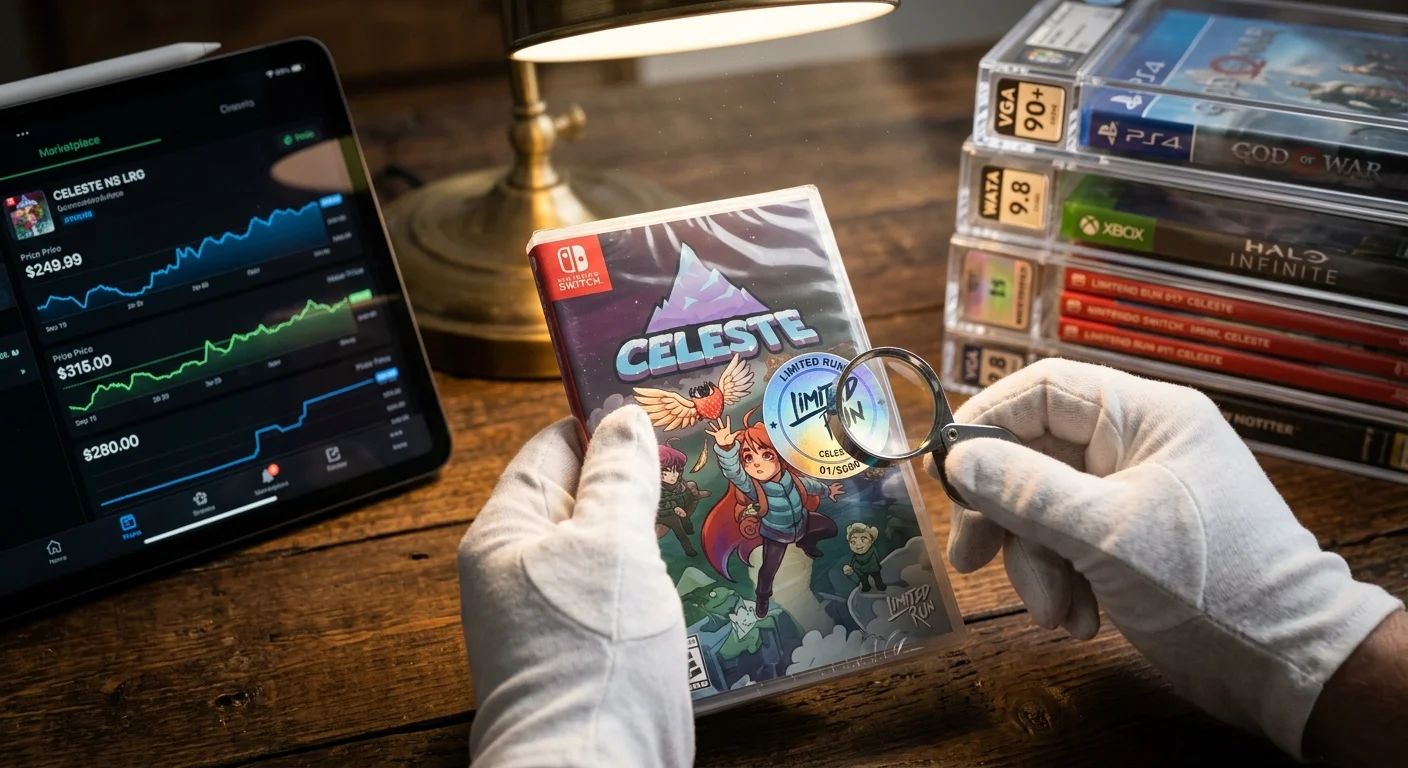
While retro platforms hold the spotlight for historical rarity, the modern landscape has created an entirely new category of scarce collectibles. In the late 2010s and leading into 2026, specialized physical publishers emerged to cater to collectors who prefer physical media over digital downloads. Companies like Limited Run Games, Super Rare Games, and Special Reserve Games license digital-only indie titles and produce extremely small, numbered physical print runs. These releases are sold via pre-order windows and are never distributed to traditional retail stores, creating instant secondary market rarity the moment they sell out.
According to the Entertainment Software Association, digital downloads now account for over 90% of modern video game sales. This massive industry shift means that the few physical copies of modern games that do exist are inherently more scarce than games from previous decades. When identifying valuable modern titles, look for low production numbers printed directly on the spine, holographic security seals, and premium Collector’s Edition boxes that contain art books, soundtracks, and physical bonuses. These modern rarities often appreciate quickly, particularly if the digital version of the game is delisted from online storefronts due to licensing issues, leaving the physical disc or cartridge as the only legal way to play the game.
Additionally, industry data from Circana highlights that physical-only collectors are driving a massive secondary economy, paying premium prices for physical preservation copies. This means that even standard retail releases of late-era games for consoles like the PlayStation 4 or Nintendo Switch can become highly sought after if they did not receive subsequent print runs. To spot these modern treasures, pay close attention to indie game physical releases that receive positive critical acclaim but fail to capture mainstream retail attention. If a popular game is removed from digital stores, its existing physical copies can double or triple in value overnight.
Navigating the Market to Buy and Sell Rare Video Games
Once you have identified a potentially rare game in your collection, the next critical step is deciding how to realize its value without falling victim to common marketplace pitfalls. While online auction platforms offer global exposure, they also come with substantial risks, including high seller fees, shipping damage, and buyer scams. For those looking to transact securely, a local brick-and-mortar specialist provides a safe, transparent alternative.
If you are evaluating where to sell video games, working with a reputable, established dealer is the most reliable path. At the Comic Buying Center in Libertyville, Illinois, our experienced team provides professional appraisals for rare video games, vintage toys, and comic books. We eliminate the stress of online listing, packing, and shipping by offering fair, competitive payouts on the spot in a comfortable showroom environment. If you want to expand your collection or safely cash in on your retro treasures, we invite you to check out our specialized sell video games services page. Our team handles every item with the utmost care, ensuring you receive the true market value of your rare collectibles.
Selling locally also protects you from the rising trend of online refund fraud, where dishonest buyers return damaged copies or swap working circuit boards with broken parts. When you bring your collection to our Libertyville showroom, our in-house experts conduct a physical examination of your items right in front of you. We explain how condition, completeness, and regional factors influence our offer, ensuring you have complete clarity throughout the appraisal. Whether you have a single rare cartridge from your childhood or a massive estate collection, we make the process simple, secure, and highly rewarding.
FAQ
How can I find rare video games in local thrift stores?
To find rare games locally, inspect the shelves thoroughly, looking behind common sports titles where shoppers often hide valuable items. Additionally, always open cheap sports game cases to verify if a more valuable game cartridge or disc was mistakenly placed inside by a previous owner.
Does the presence of a manual affect a video game’s rarity and value?
Yes, having the original instruction manual and box inserts significantly increases a game’s value, often doubling the price compared to a loose cartridge or disc. Many collectors only seek “Complete in Box” (CIB) copies, making complete sets much scarcer than loose items.
What are the rarest video games ever made?
Some of the rarest games include the 1990 Nintendo World Championships cartridge, of which only a handful of official copies exist, and Stadium Events on the NES. These games were produced in highly restricted numbers or recalled shortly after release, driving their collector values into the tens of thousands of dollars.
Is a rare video game always expensive?
Not necessarily, because a game’s financial value depends heavily on active collector demand alongside physical scarcity. If a game is rare but widely considered unplayable or unappealing, it may remain inexpensive due to a lack of buyer interest.
How do I protect my rare video games from losing value?
Protect your games by storing them in a climate-controlled room away from direct sunlight, which prevents UV damage and label fading. For high-value disc games, store them vertically in their original cases, and consider protective plastic sleeves for fragile cardboard boxes.
Should I get my rare video games professionally graded?
Professional grading is beneficial for exceptionally rare, mint-condition, or factory-sealed games because it authenticates the item and preserves its physical state. However, for opened or heavily worn games, grading costs may exceed the value added, making a standard professional appraisal a more practical choice.