
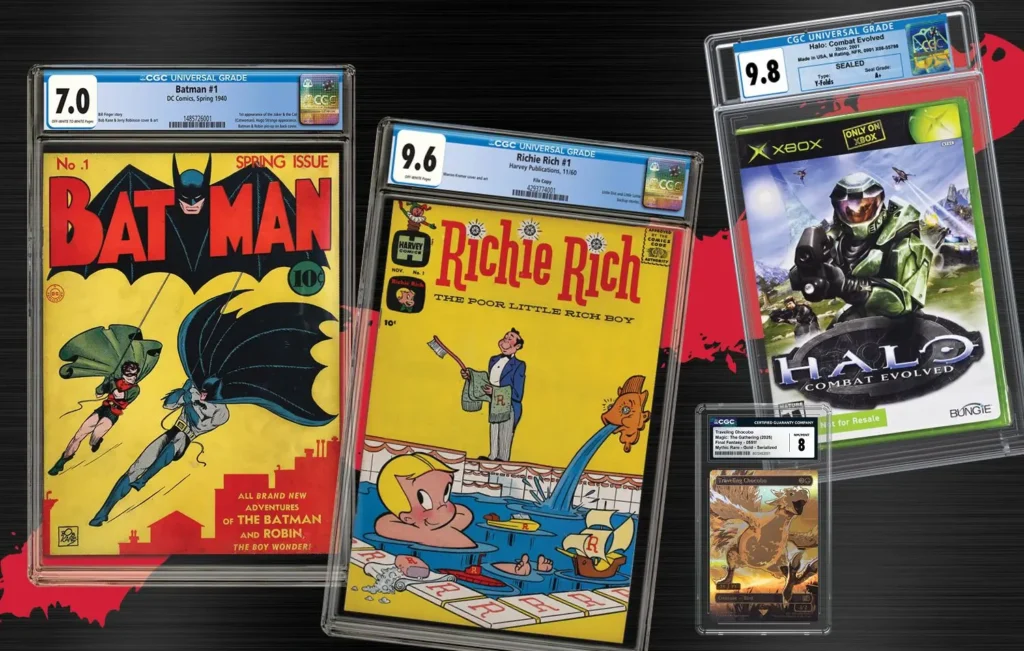
For collectors prioritizing maximum resale value and market liquidity, Certified Guaranty Company (CGC) remains the superior choice. If you own unverified signed books, require highly consistent grading, or want to avoid high membership fees, Comic Book Certification Service (CBCS) is the better option. CGC commands a historical market premium, often resulting in 10% to 20% higher sales prices on major auction platforms. Conversely, CBCS excels in raw grading accuracy and offers a unique signature verification service that authenticates autographs without an official witness present. Deciding between these two industry giants depends heavily on your budget, your desire for resale profit, and the specific composition of your collection. While CGC dominates the high-end registry market, CBCS provides an indispensable alternative for collectors seeking practical preservation and honest, transparent grading metrics. Both companies utilize the same fundamental ten-point grading scale, but their operational execution, case aesthetics, and brand perceptions differ dramatically. This breakdown evaluates the crucial differences in cost, preservation quality, and resale value to help you make the right investment.
Key Takeaways
- CGC graded books consistently command a 10% to 20% market premium over identical grades from CBCS.
- CBCS authenticates un-witnessed signatures through expert forensic analysis, whereas CGC gives these books a penalizing green label.
- CGC requires an annual paid membership to submit books directly, while CBCS allows free account submissions.
- Both companies use the standard ten-point grading scale, ensuring identical technical standards for physical comic condition.
- Prior pressing and cleaning are essential before submitting to either company to maximize the final grade.
Why Choose CGC vs CBCS for Maximum Resale Value?
CGC graded comics consistently command higher market prices than identical CBCS graded books. This valuation gap exists primarily because CGC was the first third-party comic grading service on the market. Established in 2000, they built a massive lead in brand trust and market share. Collectors and dealers naturally treat CGC as the default standard for slabbed books.
According to extensive sales data compiled by the industry tracking database GPAnalysis, CGC slabs trade at a consistent premium over CBCS slabs. For high-grade key issues, this premium can range from 10% to over 20%. Buyers are simply more comfortable bidding higher on CGC books because of the company’s historical legacy. If your primary goal is to flip comics for immediate profit, CGC is the clear winner.
However, the value gap is not entirely uniform. For modern comics graded at a perfect 9.8, the price difference between the two companies occasionally shrinks. Collectors who are more concerned with the actual book rather than the plastic holder are increasingly willing to buy CBCS books. Understanding how comic book condition affects value is essential before spending money on grading. If you have a vintage book of immense historical value, the market will almost always reward a CGC label over any competitor.
Comparing CGC vs CBCS Fees, Turnaround Times, and Labels
Comparing the total cost of grading reveals that CBCS offers cheaper submission options, while CGC provides faster processing speeds for premium tiers. CGC requires an upfront annual membership fee to submit books directly. Their Associate tier costs $25 annually, while the Elite tier costs $149 annually. CBCS does not require a paid membership, allowing anyone to submit books with a free basic account.
In 2026, the base grading fees reflect the competitive landscape of the hobby. CGC charges approximately $24 for modern comic books and $35 for vintage books. CBCS matches this closely, charging $20 for modern books and $40 for older, pre-1975 vintage items. While the base prices are comparable, the lack of a mandatory membership fee makes CBCS significantly cheaper for casual collectors who only submit a few books per year.
Turnaround times fluctuate constantly based on seasonal demand and submission volume. The parent company of CBCS, Beckett Media, has modernized its intake facilities to match CGC’s massive processing power. On average, CGC modern submissions take 20 to 30 business days, while CBCS modern submissions take 30 to 40 business days. For express or walk-through tiers, CGC consistently outperforms CBCS in raw speed, making it the preferred choice for rapid turnarounds.
The Ten-Point Grading Scale Standards of CGC and CBCS
Both organizations utilize an identical ten-point grading system to evaluate the physical condition of comic books. This industry-wide standard ensures that a comic graded by one company should theoretically receive the same grade from the other. The grading scale ranges from a flawless 10.0 Gem Mint down to a highly damaged 0.5 Poor.
Despite using the same scale, collectors frequently debate the strictness of each company. Many experienced dealers observe that CBCS is highly consistent, particularly in the 9.2 to 9.8 range. CGC has faced criticism for minor grading inconsistency due to their massive submission volumes. A book that looks like a 9.6 might occasionally return as a 9.8 from CGC, or vice versa, causing slight frustration among purists.
The companies handle the absolute lowest grades slightly differently. For coverless comics, CGC awards a No Grade (NG) label, which simply describes the book’s remaining components. CBCS will actually assign a numerical grade of 0.3 or 0.1 to coverless books, provided the interior is complete. This minor difference matters to golden age collectors who want a numerical grade for highly damaged, extremely rare keys.
How the Signature Verification Programs Differ
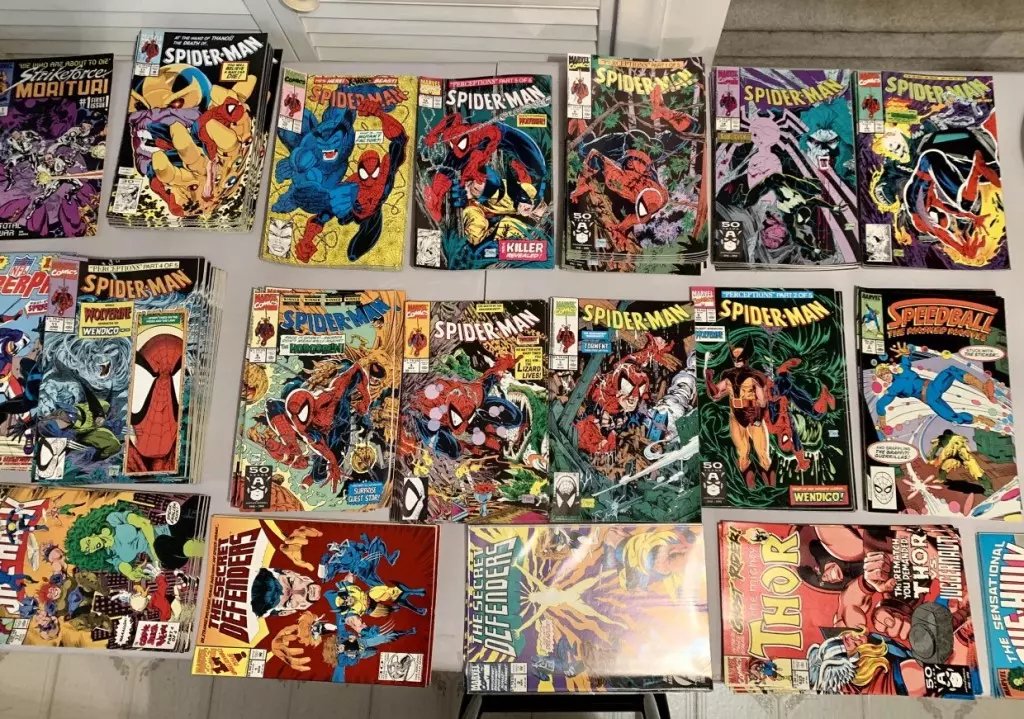
Signature authentication represents the most significant operational divergence between these two leading grading services. CGC operates the famous Signature Series program, which features a highly coveted yellow label. To qualify for this label, an authorized CGC witness must physically watch the creator sign the comic book. If you bring a pre-signed book to CGC, they will not authenticate the signature.
Instead, CGC will award the book a “Qualified” green label. In the comic community, this is often called the green label of death. It treats the un-verified signature as writing on the cover, which heavily penalizes the numeric grade and resale value. This rigid policy protects the absolute integrity of the Signature Series, but it frustrates collectors who obtain signatures at small events without witnesses.
CBCS solves this problem through its innovative Signature Verification Program. Using professional forensic autograph examiners, CBCS analyzes un-witnessed signatures to verify their authenticity. Verified books receive a distinct yellow label with a red border. This program allows collectors to safely buy and sell vintage signatures. Knowing how to value a comic book collection that features autographs requires understanding this crucial service, as CBCS is the only major grader offering this level of forensic verification.
Case Aesthetics and Long-Term Comic Book Preservation
Physical housing and preservation quality are critical factors when choosing a professional grading service. Both companies use heavy, archival-grade plastics designed to protect comic books from moisture, dust, and physical impact. However, the visual appeal and structural feel of these cases differ significantly.
CGC cases are thicker, heavier, and feel highly rigid in the hand. They feature a very clear outer plastic that makes the cover art stand out beautifully. A common complaint with CGC cases is the frequent appearance of Newton rings. These are oil-slick-like optical illusions caused by two layers of plastic touching. While they do not damage the book, many collectors find them visually distracting.
CBCS cases are slightly thinner, highly scratch-resistant, and rarely exhibit Newton rings. The CBCS holder uses a unique inner sleeve that prevents optical distortion. However, some collectors feel the CBCS plastic feels slightly cheaper or more brittle compared to CGC’s heavy-duty holder. Ultimately, case preference is highly subjective, and collectors should handle both slabs in person before making a final decision.
Steps to Submit Your Comics for Professional Grading
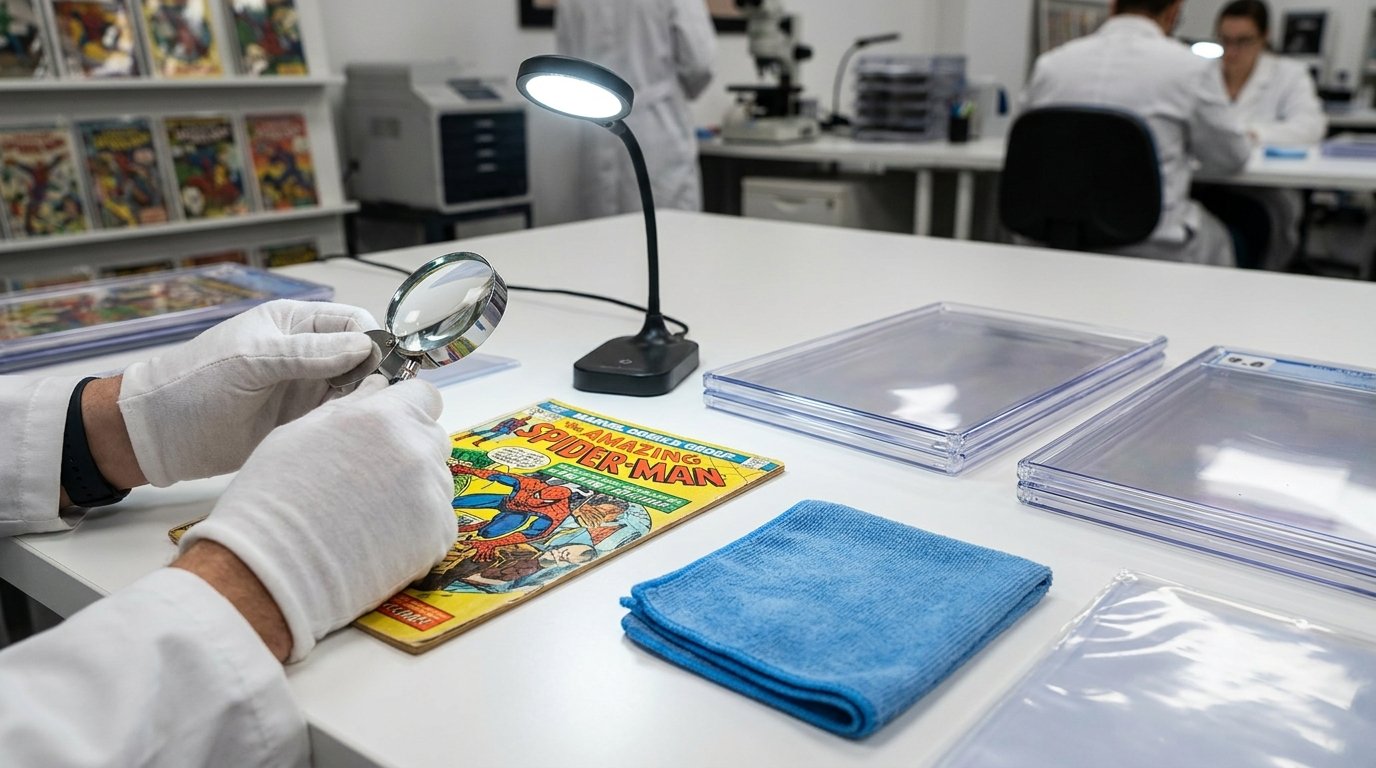
Submitting your comic books for professional grading requires a systematic preparation process to prevent damage and avoid processing delays. Following these steps ensures your collectibles receive the highest possible grade and are handled safely throughout the journey.
- Evaluate your comic books: Use a reliable comic book price guide to estimate the raw value of your books. Determine if the cost of grading will realistically exceed the value added by the slab.
- Clean and press the books: Consider using a professional pressing service before submission. Pressing removes minor dents, spine rolls, and wrinkles, often raising a book’s grade from a 9.4 to a highly desirable 9.8.
- Select your grading company: Choose CGC if you plan to sell the books quickly for maximum profit. Choose CBCS if you have un-witnessed signatures or want to avoid paid membership fees.
- Package the books securely: Place each comic in a fresh bag and board. Sandwich the books between two sturdy pieces of thick cardboard, secure them with painter’s tape, and wrap the bundle in several layers of bubble wrap.
- Submit the paperwork: Fill out the online submission forms on the chosen company’s website, declare the proper insurance values, and ship the package using a tracked, fully insured shipping carrier.
Comprehensive Grading Company Comparison
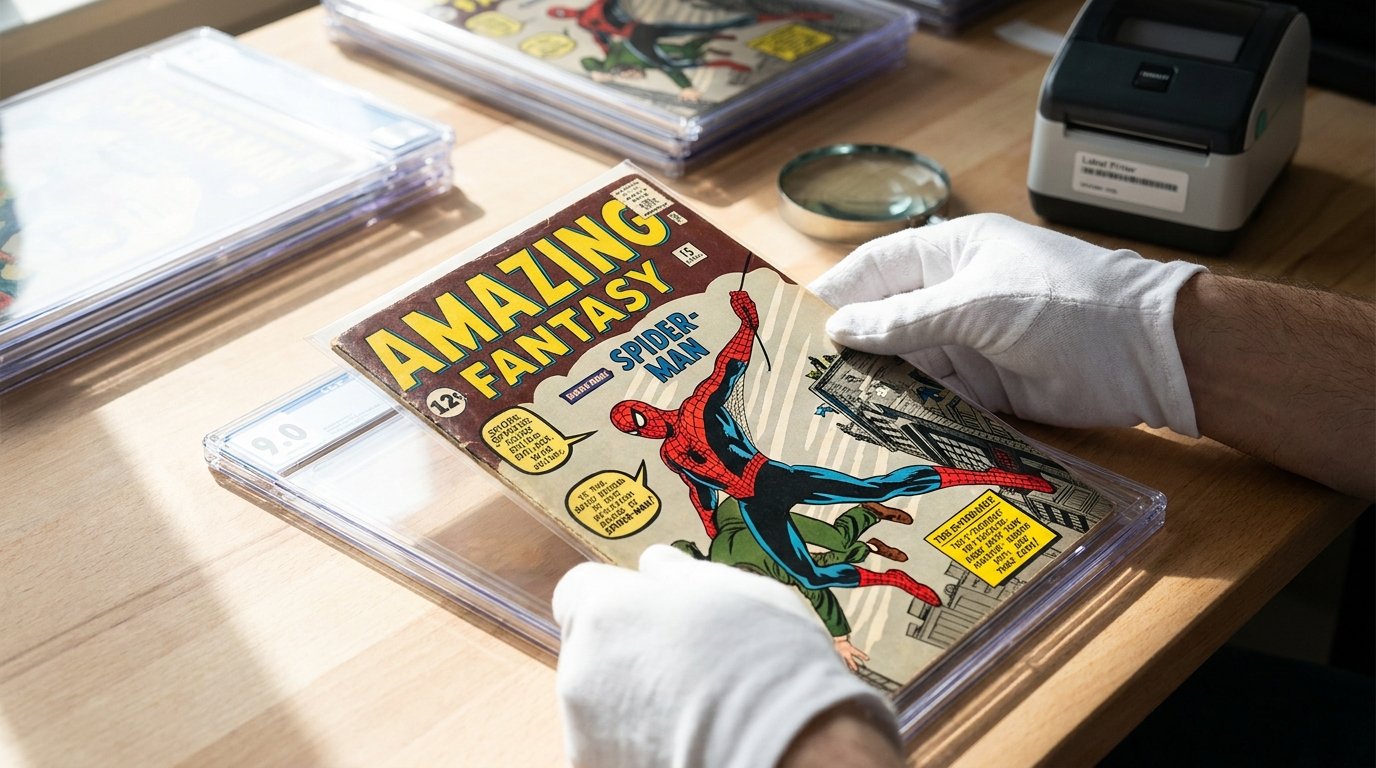
The choice between these two companies often comes down to specific features, costs, and market reception. The following comparison table highlights the fundamental differences between CGC and CBCS to simplify your decision.
- Direct Submission Fee
Requires paid annual membership ($25 to $149)Free basic account (no membership required)
| Feature / Metric | Certified Guaranty Company (CGC) | Comic Book Certification Service (CBCS) |
|---|---|---|
| Market Resale Premium | High (typically 10% to 20% higher than competitors) | Moderate (closer to raw value plus grading costs) |
| Un-witnessed Signatures | Not authenticated (results in a green “Qualified” label) | Fully authenticated via forensic verification |
| Case Clarity & Aesthetics | Excellent clarity, sturdy, prone to Newton rings | Excellent clarity, thin, highly resistant to Newton rings |
Common Professional Mistakes to Avoid When Grading
Professional dealers often see collectors make expensive mistakes when submitting books for grading. The most common error is submitting modern books that have obvious physical flaws. In today’s market, modern books (published from 1992 to present) are incredibly common. A modern book generally needs to grade at 9.8 to carry any significant premium. Submitting a modern book that returns as a 9.4 or 9.6 often results in a financial loss, as the grading fees will exceed the market value of the slabbed book.
Another major mistake is ignoring the importance of page quality. Both CGC and CBCS print the page color on the label, ranging from “White” to “Poor.” A book with off-white or cream pages will always command less money than a book with pristine white pages. Always inspect the edges of the interior pages under a bright light before deciding to slab a vintage comic book.
Finally, never submit books without double-checking the shipping and insurance costs. Collectors often calculate the base grading fee but forget to factor in round-trip shipping, handling fees, and invoice insurance. These extra expenses can easily add $10 to $15 per book to your total bill, altering the financial viability of your submission.
Determining the Right Grading Partner for Your Collection
The parent organization of CGC, the Certified Collectibles Group, has graded over ten million collectibles. This massive footprint secures their spot as the undisputed heavyweight of the industry. If you own iconic keys like Amazing Spider-Man #129 or Incredible Hulk #181, CGC is almost always the correct choice. The liquidity and speed of sale that a CGC label provides cannot be matched by any other grading company on earth.
For collectors who view grading as a tool for personal preservation rather than immediate financial gain, CBCS is an incredibly attractive option. Their grading standards are remarkably consistent, their cases look pristine on display, and their customer service is highly accessible. Additionally, their ability to verify old, un-witnessed autographs preserves valuable comic history that would otherwise be penalized under CGC’s strict rules. Assess your long-term goals, calculate your budget, and choose the grading service that aligns perfectly with your collecting philosophy.
FAQ
What is the main difference between CGC and CBCS?
The main difference lies in market value and signature verification. CGC graded books command a 10% to 20% price premium on the secondary market, while CBCS is the only company that forensically authenticates signed books without an official witness present.
How much does it cost to grade a comic with CGC vs CBCS in 2026?
In 2026, CGC charges approximately $24 for modern books and requires a paid annual membership starting at $25. CBCS charges $20 for modern books and allows submissions through a free basic account, making it the cheaper option for small submissions.
Which grading company is better for selling rare comic books?
CGC is the superior choice for selling rare comic books due to its massive brand recognition and historical market dominance. Buyers on major auction platforms consistently bid higher on CGC slabs compared to CBCS slabs.
Can you cross-grade a CBCS comic to CGC?
Yes, you can submit a CBCS slabbed comic to CGC through their crossover service. CGC will evaluate the book while it remains in the CBCS holder and will only crack it open if it meets or exceeds your minimum specified grade.
Does CBCS verify signatures without a witness?
Yes, CBCS offers a dedicated Signature Verification Program that uses professional forensic autograph experts to verify the authenticity of un-witnessed signatures. If authentic, the book receives a verified yellow label with a red border.
Is PGX a viable alternative to CGC and CBCS?
No, PGX is generally not recommended because they have a poor reputation within the collecting community. Books graded by PGX often sell for less than identical raw, un-graded copies, making them a poor investment choice.