
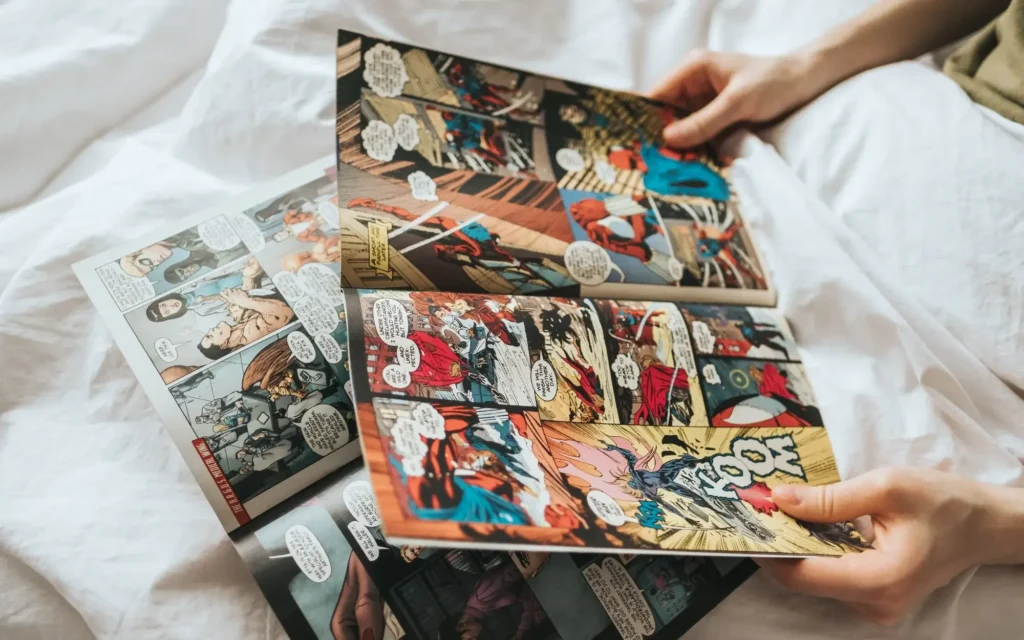
For collectors looking to maximize return, choosing between raw vs graded comics depends entirely on the book’s individual market value and historical significance. Graded comics, preserved in tamper-proof plastic slabs, consistently command higher prices at auction because they offer third-party certification of authenticity and condition. However, for comics valued under $100, the high costs of professional grading fees, shipping, and handling easily erase any potential profit increases. For high-value key issues like Silver Age landmarks, grading is almost always the superior financial move, protecting the asset while establishing a trusted baseline for buyers. For modern, common issues, keeping them raw is the more practical and cost-effective choice. Understanding the math behind these transactions ensures you never spend more on the grading process than the comic book itself is worth.
Key Takeaways
- Graded comics offer verified condition and authenticity, which eliminates buyer-seller disputes and stabilizes market pricing.
- Raw comics allow physical access for reading and inspection but carry high risks of condition degradation and subjective pricing arguments.
- A baseline value of $100 is generally the financial threshold where professional grading becomes profitable after factoring in fees.
- Third-party authentication protects high-value “key issues” from counterfeiting, page restoration, and undetected trimming.
- Slabbed books require specialized storage due to their physical bulk, whereas raw comics fit easily in traditional boxes.
Understanding the Fundamentals of the Comic Market
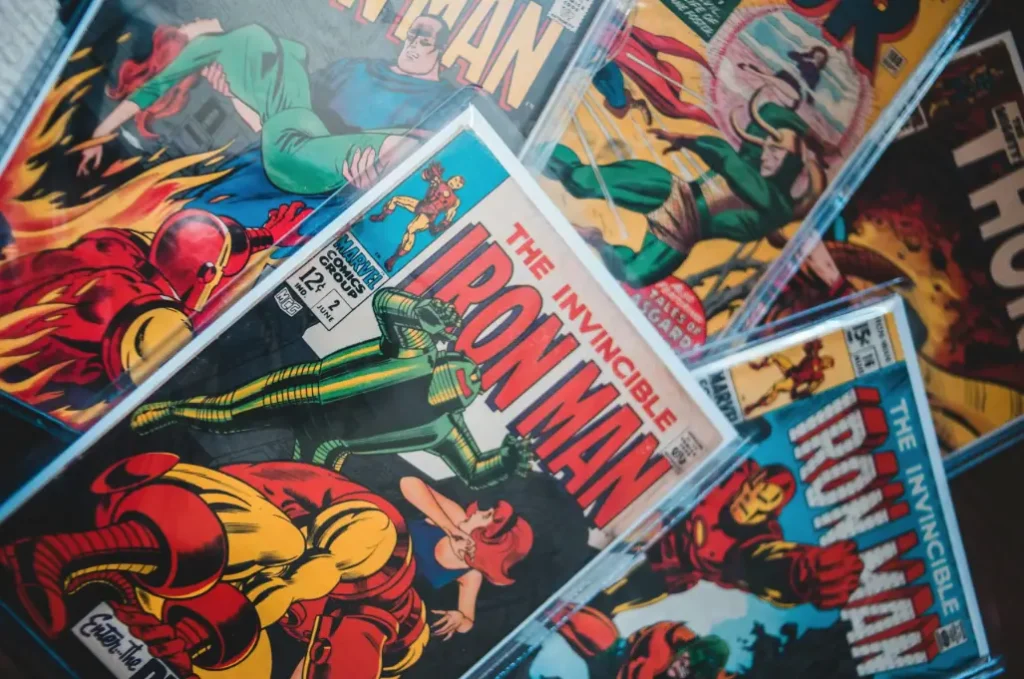
Before deciding how to sell or store your collection, you must understand the structural differences between these two formats. Raw comics are books in their original, loose state, typically stored in a protective plastic bag with a cardboard backing. These books allow collectors to open the packaging, turn the pages, and physically inspect the interior paper quality. However, because they remain accessible, raw comics are highly vulnerable to environmental factors like humidity, dust, and physical handling damage.
In contrast, graded comics are professionally evaluated, certified, and sealed inside a rigid, tamper-evident plastic holder commonly known as a slab. Leading third-party services inspect the book under magnification to check for restoration, missing pages, and structural integrity. Once graded, the book receives a numerical score from 0.5 to 10.0. This score remains fixed as long as the plastic shell is not opened. The physical seal protects the paper from ultraviolet light and ambient moisture, halting the aging process.
While the visual appeal of a pristine slabbed book is undeniable, the physical barrier restricts access. Collectors who enjoy the tactile experience of reading historical issues will find slabbed books frustrating. For those focused on financial preservation, the sealed casing serves as a secure vault for their investment. To make an informed decision, you should read our guide on how does comic book condition affect value to see why even microscopic flaws impact pricing.
The Financial Equation: Evaluating Raw vs Graded Comics Value
Determining the real-world value of raw vs graded comics requires careful calculations rather than guesswork. A graded book usually commands a premium because it removes buyer uncertainty regarding condition. When buying online, a purchaser cannot verify if a raw book has subtle spine splits or hidden restoration. By purchasing a slabbed book certified by a reputable agency, the buyer pays for peace of mind. This peace of mind translates directly into a higher selling price, especially for major keys.
The standard grading cost in 2026 ranges from $25 to $150 per comic, depending on the fair market value and desired turnaround time. According to official pricing data published by the Certified Guaranty Company (CGC), submitters must also account for a handling fee of approximately $5 to $10 per order, plus return shipping and insurance costs. If you send a single $50 comic for grading, your total expenses can easily top $75. In this scenario, you spend more on the slab than the book is actually worth, resulting in a net financial loss.
For more expensive books, the math shifts dramatically in your favor. If you own a raw Silver Age comic worth $500, professional grading might raise its perceived value to $1,200 at a CGC 8.0 grade. Subtracting the $80 in total grading and shipping fees still leaves you with a net profit increase of $620. To determine if your raw books possess this level of potential, consult our comprehensive resources on how to value a comic book collection before submitting any items to a grading company.
Direct Comparison: Raw vs Graded Comic Books
Evaluating the practical differences between these two storage methods requires comparing their physical properties, liquidity, and cost structures. While graded books dominate the high-end investment market, raw books remain the lifeblood of active comic shops and casual reading communities. The table below outlines how each format performs across critical categories.
| Feature or Metric | Raw Comic Books | Graded (Slabbed) Comic Books |
|---|---|---|
| Physical Accessibility | High; can be read, scanned, and physically touched. | None; sealed permanently inside a rigid plastic shell. |
| Value Determination | Subjective; depends on individual seller and buyer agreement. | Objective; pinned to a standard 10-point numerical grade. |
| Initial Cost Overhead | Very low; bag and board cost approximately $0.25 to $0.50. | Moderate to high; costs range from $25 to $150+ per book. |
| Risk of Damage | High; susceptible to creases, tears, moisture, and sunlight. | Extremely low; protected against impacts, spills, and UV rays. |
| Market Liquidity | Fast for cheap books; slower for high-end uncertified keys. | Fast for certified key issues; very slow for modern commons. |
As shown in the table, neither option is universally superior. The correct choice depends heavily on your goals as a collector, investor, or casual reader. If your goal is long-term asset appreciation, the graded path offers unmatched security. If you are a reader who values the community aspect of sharing physical books, raw storage is ideal.
How to Choose Between Raw and Graded Comic Books for Your Collection
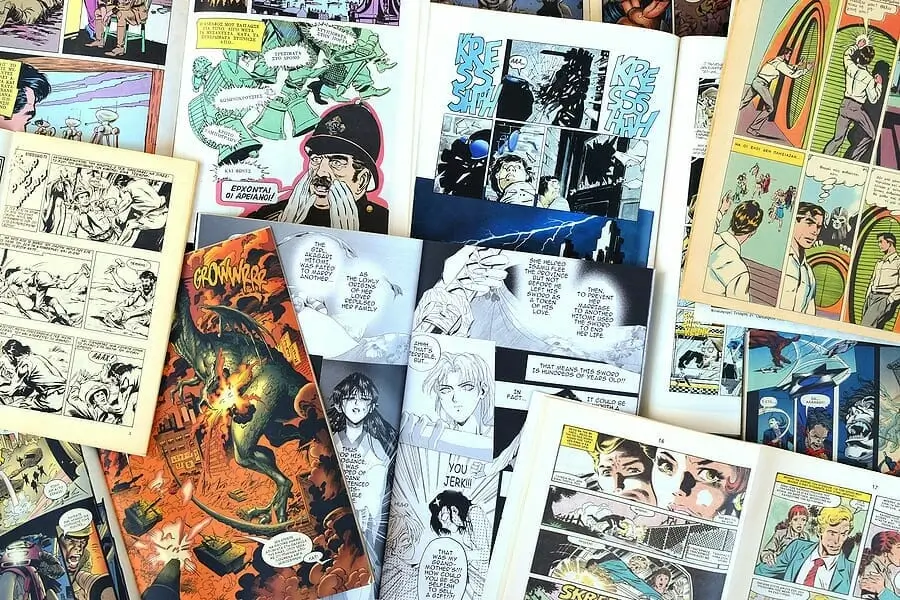
Choosing between raw and graded comic books requires an objective assessment of your collection’s financial and historical profile. As an expert rule of thumb, you should reserve grading for key issues, first appearances, and vintage books from the Golden, Silver, and Bronze ages. Modern books should rarely be graded unless they are highly sought-after variants or you are certain they will achieve a flawless 9.8 grade. A common modern book in a 9.6 or lower slab often sells for less than the cost of the grading service itself.
Market transaction trackers from GPAnalysis indicate that certified key issues sell up to three times faster than raw equivalents on public auction sites. This faster transaction speed occurs because online buyers do not need to ask for extra photos or worry about restoration scams. If you are selling locally or to a trusted dealer, raw books are highly liquid because the buyer can examine them in hand. For online sales, however, slabs act as a universal currency that bypasses geographical trust barriers.
A common mistake made by amateur sellers is slabbing books with obvious structural defects. Creased corners, heavy spine rolls, and significant water stains will result in a very low grade, often below 3.0. Unless the book is an ultra-rare holy grail, a low-grade slab is incredibly difficult to sell. Buyers looking for low-grade reader copies prefer raw books because they can purchase them at a discount without paying a premium for the plastic casing. Before committing funds, refer to our updated comic book price guide to check current market valuations for different grades.
The Major Players in the Comic Book Grading Industry
The credibility of a graded comic book relies entirely on the reputation of the company that certified it. The market recognizes three major third-party grading institutions, each with its own collector base and market share. The leader in market share is the Certified Guaranty Company, followed closely by the Comic Book Certification Service (CBCS). The third player is Halo Grading, which caters to specific niche markets. Choosing the right service affects the eventual resale value of your books.
CGC slabs generally command the highest price premiums at public auctions due to their established brand longevity and deep historical data. CBCS is highly respected for its signature verification services, where expert witnesses authenticate autographs even if they were not signed in the presence of an official representative. If you have an unverified signed raw comic, sending it to CBCS for verification is an excellent way to boost its value. Understanding how these companies operate helps you align your submission strategy with your financial goals.
The grading process involves multiple steps to ensure absolute impartiality. When a comic arrives at a grading facility, it is unpacked, logged, and separated from any identifying submitter information. This anonymity ensures that graders evaluate the book without bias. Multiple grading professionals examine the comic, checking the page count, looking for dry cleaning or pressing evidence, and assessing cover wear. Once a consensus grade is reached, the book is encapsulated, labeled, and shipped back to the owner.
Professional Advice for Avoiding Costly Grading Mistakes
One of the most frequent errors collectors make is assuming that grading a book automatically makes it valuable. In reality, grading only certifies the condition; it does not create demand where none exists. If a comic has low demand raw, sealing it in plastic will not suddenly make collectors want to buy it. Always verify that a book has active buyer interest on secondary markets before spending money on the slabbing process.
Another critical mistake is failing to utilize professional pressing and dry cleaning services before grading. Over time, comic books accumulate light dirt, non-color-breaking finger bends, and minor spine waves. A professional pressing service can safely remove these defects using controlled heat and pressure, often raising the final grade by half a point or more. Going from a 9.4 to a 9.6 can sometimes double the market value of a key Silver Age issue. Skipping this step is leaving money on the table.
Finally, protect your investment by storing both raw and slabbed comics in climate-controlled environments. Slabs are highly durable, but they are not completely airtight or immune to extreme temperatures. Storing graded books in a hot attic or a damp basement can cause the interior pages to yellow or develop micro-mold. Keep your collection in a cool, dark room with a stable relative humidity of around 50 percent to ensure the paper remains pristine for decades.
How to Transition Your Raw Collection to Graded Assets
If you have decided to transition some of your valuable raw books into certified slabs, following a systematic process prevents damage and maximizes your returns. You must act as your own preliminary grader to filter out books that do not justify the investment. Follow these five essential steps to prepare your comics for professional certification:
- Perform a detailed pre-screening: Place your raw comic under a strong desk lamp. Look closely at the spine for color breaks, check the staples for rust, and count the pages to ensure no coupons or pin-ups have been cut out.
- Research the current market values: Use online auction databases to find recent realized sales for both raw and graded versions of your specific issue. Verify that the price gap is wide enough to cover all grading fees and shipping costs.
- Decide on pressing and cleaning: Evaluate whether the comic has pressing candidates, such as non-color-breaking wrinkles or cover dimples. If so, submit the book to a professional pressing service before it goes to the grading team.
- Package the comics securely: Use specialized shipping boxes, double-boxing techniques, and plenty of bubble wrap. Never let the raw comics slide around inside the box, as this causes immediate corner damage during transit.
- Select the correct grading tier: Choose a submission tier that matches the value of your comic. Do not overpay for high-tier express service unless the book is extremely valuable and you need a fast turnaround for an upcoming sale.
FAQ
Can you open a graded comic slab?
Yes, you can physically open a graded comic slab by carefully cracking the outer plastic seams with heavy-duty tools. However, doing so immediately voids the professional grade, destroys the certification label, and returns the book to raw status.
How long does it take to get raw comics graded?
The turnaround time for grading raw comics depends on the submission tier and current demand at the grading facility. Standard processing times in 2026 generally range from three weeks for express tiers to four months for budget modern submissions.
What is the most popular comic book grading service?
The Certified Guaranty Company is the most widely recognized and popular grading service in the collectibles market. Their distinctive blue labels and standardized grading scale set the baseline for secondary market values across the globe.
Is a CGC 9.8 always worth more than a raw comic?
Yes, a comic graded CGC 9.8 is virtually always worth more than its raw counterpart because it represents a near-flawless specimen. However, if the comic itself is highly common and has no market demand, the premium may still not cover the grading fees.
How should you store slabbed comic books?
You should store slabbed comic books upright in specialized plastic bins or heavy-duty cardboard boxes designed specifically for graded materials. Keep these boxes in a climate-controlled room away from direct sunlight, extreme heat, and high humidity levels.
Can a comic book degrade inside a sealed slab?
No, a comic book will not degrade inside a sealed slab under normal environmental conditions because the materials used are acid-free and UV-resistant. However, exposing the slab to extreme heat, water submersion, or direct sunlight can still cause permanent paper damage.