
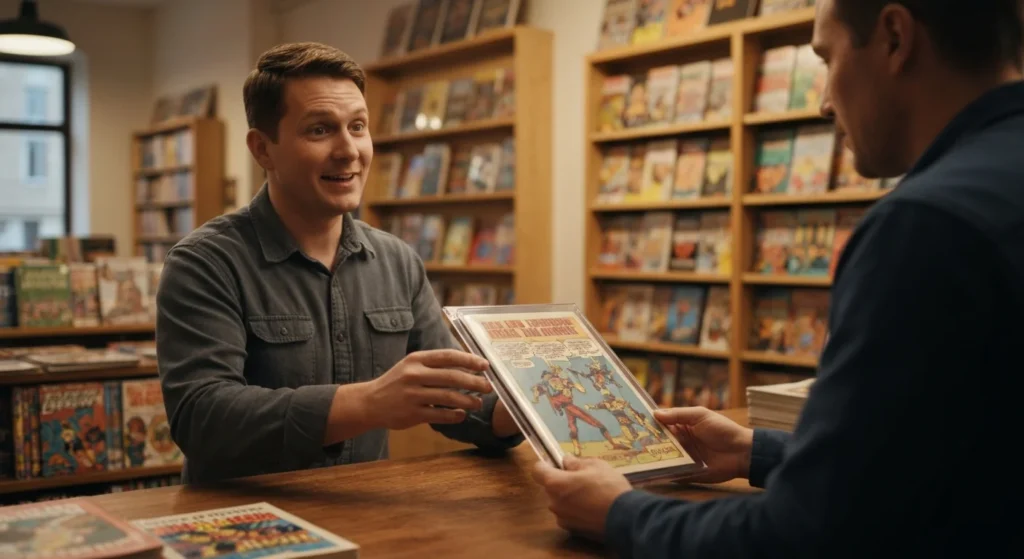
For collectors deciding how to sell comic books in 2026, the optimal sales strategy depends entirely on your immediate priorities. If your primary objective is to maximize every single dollar of profit and you have the luxury of spending months on labor, selling individual high-value issues via professional grading and specialized online auctions is your best path. Conversely, if your goal is to offload a large, diverse comic book collection quickly without the logistical headache of individual listings, high platform fees, and potential buyer disputes, selling the entire lot to an established, reputable retail buyer is the superior choice. The key to a successful transaction lies in knowing exactly what you own, understanding the current market landscape, and selecting the sales channel that aligns with your personal timeline. This guide provides the practical steps and strategic frameworks needed to navigate the collector market, secure fair values, and complete your sale with absolute confidence.
Key Takeaways
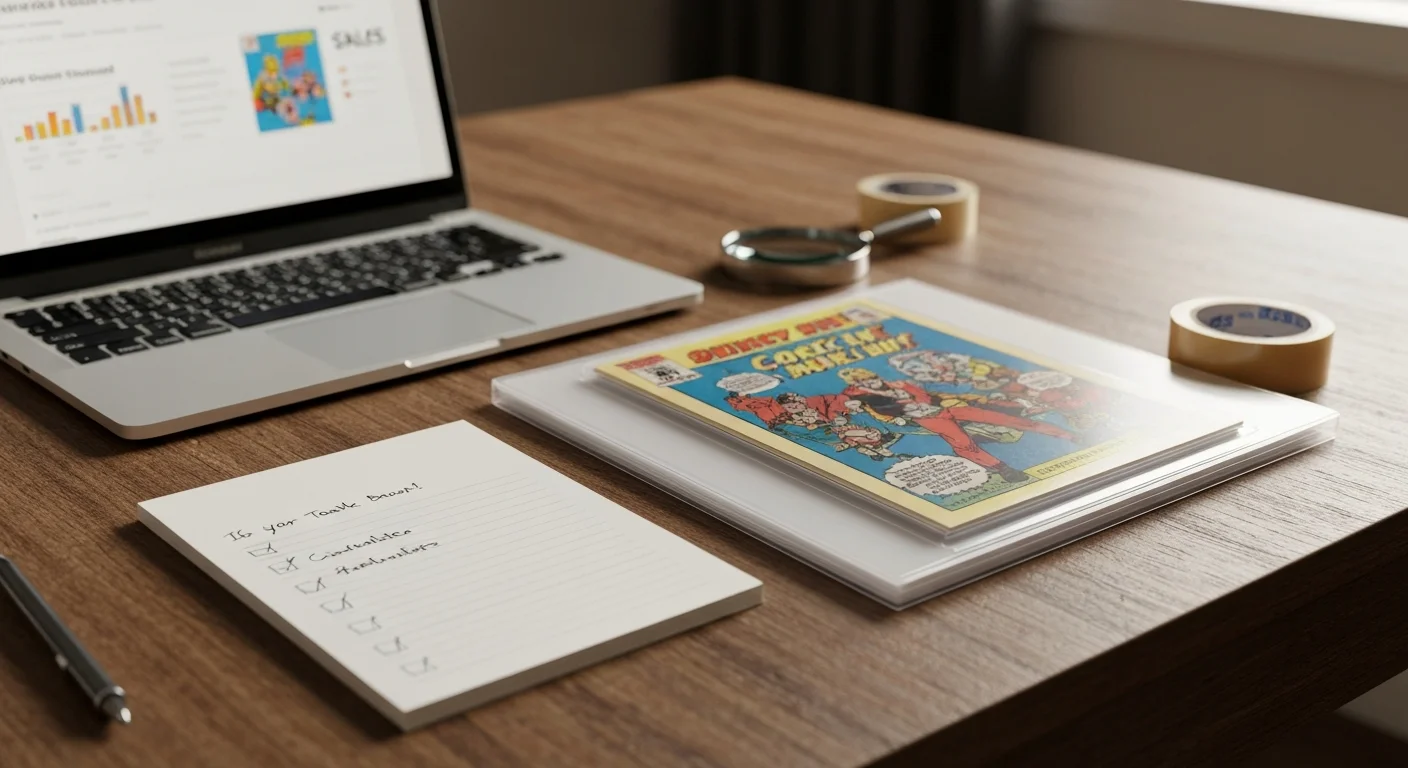
- Identify Key Issues First: Over 90% of a typical comic collection’s value resides in less than 5% of its books, known as key issues.
- Assess Condition Objectively: Slight physical defects like spine splits or color-breaking creases can slash a vintage comic’s value by half or more.
- Select the Right Channel: Choose individual sales for premium, slabbed key issues and bulk sales for large, diverse runs to optimize your time and return.
- Avoid DIY Restoration: Attempting to clean, press, or tape damaged comics can permanently destroy their collector value and professional grade.
- Work with Trusted Specialists: Established buyers offer immediate payouts, transparent valuations, and eliminate the risks of online shipping scams.
How to Value a Comic Book Collection Before Selling
Valuing your collection requires systematically separating high-value key issues from common run filler by researching publisher eras, issue numbers, and historical sales data. Before you approach any buyer, you must establish a realistic baseline value. Many first-time sellers mistake sentimental value or historical age for financial worth. In reality, the comic book market is driven by specific criteria: character debuts, artist popularity, print low-runs, and overall historical significance.
To begin, group your collection by publisher and title, then organize them chronologically. Identifying the era of your comic books is the easiest way to estimate initial scarcity. The Golden Age (1938–1956) and Silver Age (1956–1970) contain the rarest and most valuable books due to lower print runs and the fact that few copies survived in high grades. The Bronze Age (1970–1985) still holds significant value, particularly for major character debuts. Conversely, the Copper Age (1984–1992) and Modern Age (1992–present) are characterized by massive print runs, meaning only specific key issues or rare incentive variants command premium prices today.
For a detailed breakdown of how to organize, document, and price your items, you should read our comprehensive guide on how to value a comic book collection. According to historical auction data compiled by GoCollect, high-grade vintage keys from the Silver Age have maintained a steady, resilient demand among serious investors. While common, non-key issues from the late 1980s and 1990s might only sell for $0.50 to $2.00 in bulk bins, iconic key issues like The Amazing Spider-Man #129 can range from $500 in low grade to well over $15,000 for pristine, professionally certified copies.
The Pareto Principle in Collectibles: The 99/1 Rule of Comic Books
In the collectibles market, the 99/1 rule dictates that nearly all of your collection’s financial value is concentrated within a tiny fraction of your rarest comic books. While the classic Pareto Principle states that 80% of consequences come from 20% of causes, comic book collections often present an even more extreme ratio. If you own a collection of 1,000 comic books accumulated over decades of casual reading, it is highly likely that fewer than ten books account for almost the entire monetary value of the accumulation.
This reality is directly tied to the history of the comic industry. During the late 1980s and early 1990s, the comic book industry experienced a massive speculator boom. Publishers printed millions of copies of issues featuring multiple variant covers, foil stampings, and polybagged packaging. Because millions of collectors bought and preserved these books, they remain incredibly common today. A book that everyone saved is a book that has very little collector demand because supply vastly outstrips the market’s needs.
When preparing to sell a large comic book collection, recognizing this division saves valuable time. Do not waste days meticulously cataloging hundreds of minor issues from the mid-1990s that only command pocket change. Instead, focus your energy on identifying the true standouts. Key issues, classic cover art, early issues of long-running series, and books featuring first appearances of popular characters are the elements that drive professional interest and big-ticket offers.
How to Sell a Large Comic Book Collection: Bulk vs. Individual Sales
Deciding between bulk liquidation and individual retail listing requires balancing your willingness to invest hundreds of hours of labor against your desired financial return. Selling a massive volume of comic books one by one is essentially a part-time job. It requires writing detailed descriptions, taking high-resolution photographs, purchasing specialized shipping supplies, and managing customer service disputes. For a collection of several thousand books, this process can easily stretch across months or even years.
Bulk selling, by contrast, offers immediate liquidity and convenience. When you sell a large comic book collection to a dedicated wholesale buyer or showroom, you receive a single, lump-sum payout. The buyer absorbs the long-term risk of sitting on inventory, the cost of grading individual issues, and the physical space required to store the stock. While you will receive a percentage of the total retail market value rather than full retail price, you completely bypass platform selling fees, payment processing fees, and the physical labor of packing and shipping hundreds of individual parcels.
To help you weigh your options, the table below outlines the primary avenues available for offloading your collection, along with their typical timelines, financial returns, and labor requirements.
| Sales Method | Average Financial Return | Time & Labor Required | Primary Benefit |
|---|---|---|---|
| Bulk Specialty Buyer | 50% – 70% of market value | Very Low (Immediate payout) | Zero shipping hassle, instant cash, complete liquidation of all filler. |
| Online Auctions (e.g., eBay) | 80% – 85% of market value (minus fees) | Extremely High (Individual listings) | Access to a global audience for highly specific, rare key issues. |
| Local Comic Shop (LCS) | 30% – 50% of market value | Low (In-person appraisal) | Convenient local drop-off, though payouts are limited by local shop budget. |
| Consignment Houses | 70% – 80% of market value (minus commission) | Medium (Professional cataloging) | Excellent for ultra-high-end keys worth thousands of dollars. |
Understanding the Impact of Grading and Condition on Value
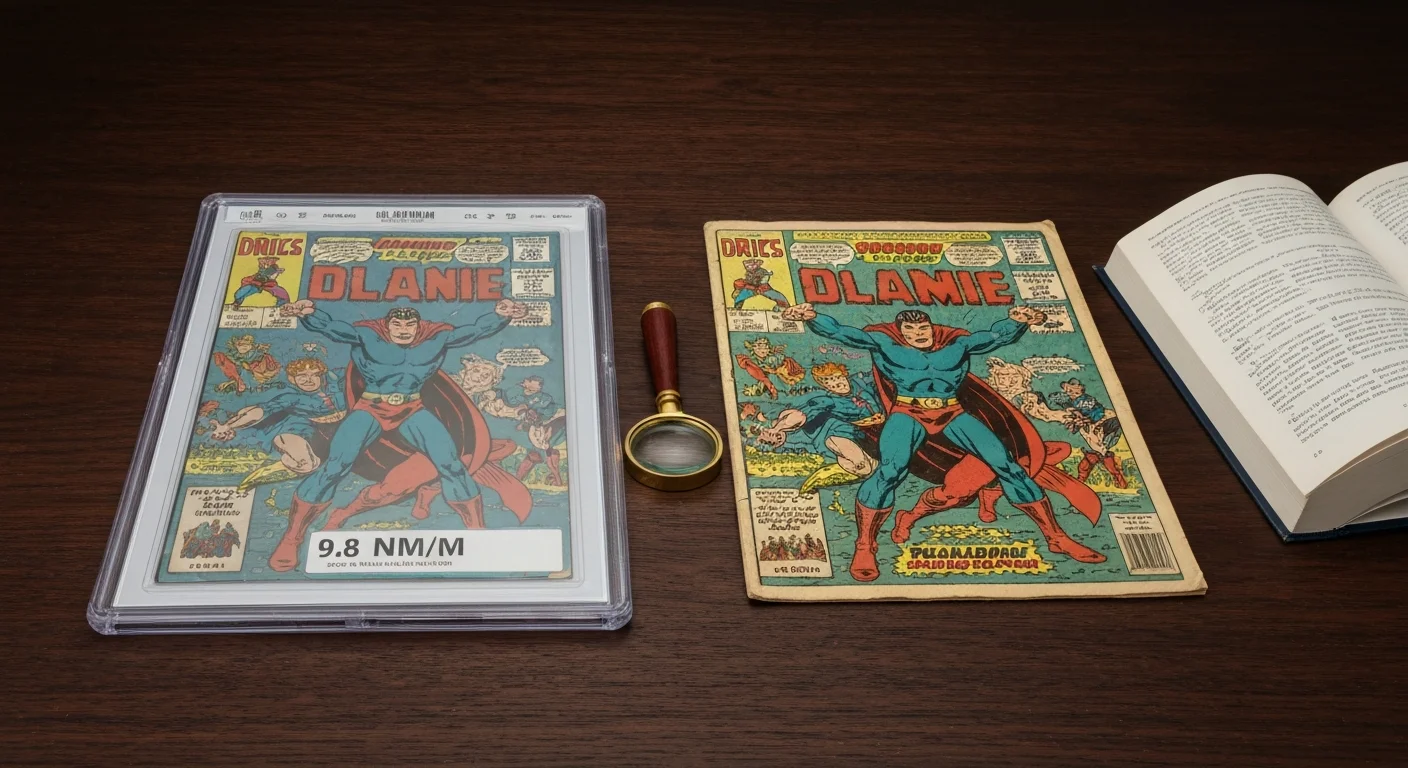
Professional grading operates on a strict 10-point scale where even a microscopic crease or minor spine tic can alter a comic’s final market valuation by thousands of dollars. In the collector world, condition is king. A comic book that appears brand new to the untrained eye might actually possess subtle structural flaws that disqualify it from achieving a top-tier grade. To maximize your return, you must develop an objective, critical eye when evaluating your books.
To understand why two identical-looking issues can sell for wildly different prices, you must look at how condition directly dictates market demand. For a detailed exploration of this topic, read our guide on how comic book condition affects value. Professional grading services, such as those provided by the Certified Guaranty Company (CGC), assess books based on cover gloss, page color, spine integrity, staple rust, and manufacturing defects. The difference between a CGC 9.8 (Near Mint/Mint) and a CGC 9.0 (Very Fine/Near Mint) can represent a price gap of several hundred or even thousands of dollars on the open market.
One of the most common mistakes amateur sellers make is attempting to “improve” the condition of their comics before showing them to potential buyers. Do not attempt to clean covers with household products, use eraser heads on smudges, or flatten curved spines with heavy books unless you are a trained professional using conservation-grade tools. Improper handling and amateur pressing can cause permanent structural damage, leading to a “restored” or “qualified” grade, which typically reduces a book’s market value by 50% to 80% compared to an unrestored counterpart in equivalent condition.
The Best Ways to Sell Your Comic Book Collection Safely

The safest method for liquidating a high-value collection is dealing directly with licensed, physically established buyers who offer fully insured transactions and transparent, professional appraisals. Navigating online peer-to-peer marketplaces exposes sellers to a variety of modern risks. These include mail fraud, credit card chargeback scams, and buyers who swap out high-grade interior pages before claiming the item was not as described and demanding a full refund.
When dealing with local or national buyers, look for established businesses with physical retail spaces, verified positive reviews, and a track record of fair dealing. Reputable buyers should be willing to explain their valuation process step-by-step. They should reference current, real-time market data to show you exactly how they arrived at their offer. If you want to research current market pricing benchmarks yourself, utilizing a professional comic book price guide is an excellent starting point to ensure you are well-informed before entering any negotiations.
If you choose to utilize online auction platforms, keep in mind the hidden costs associated with independent selling. Transaction fees on major platforms like eBay can easily consume 13% to 15% of your final gross sale price, not including the cost of specialized packing materials, insurance, and signature confirmation tracking. When you factor in the value of your personal time, selling your entire collection directly to a trusted buyer who handles the logistics for you is frequently the most financially and emotionally practical route.
Step-by-Step Checklist for Preparing Your Comics for Sale
Successfully preparing your comics for a premium payout requires a methodical, organized approach that minimizes handling damage and presents your inventory clearly to prospective buyers. Follow this structured process to organize your collection before reaching out to professionals:
- Perform a Preliminary Sort: Group your comic books by publisher (e.g., Marvel, DC, Image, Indy) and then alphabetically by title. Keep individual series runs together in chronological order by issue number.
- Identify Potential Key Issues: Scan your runs for historically important issues. Look for first appearances of major characters, iconic cover art, low-print-run issues near the end of a series, or books featuring classic artist and writer pairings.
- Inspect and Re-bag/Board: Remove dirty, yellowed, or brittle plastic bags. Place your most valuable comics into fresh, acid-free archival mylar bags with rigid backing boards to prevent edge dinging and corner blunting during handling.
- Create an Inventory Spreadsheet: Build a clean, digital list using software like Microsoft Excel or Google Sheets. Include columns for Publisher, Title, Issue Number, Estimated Condition, and any special attributes (such as signatures, variants, or professional grading certificates).
- Take High-Quality Photographs: Capture clear, well-lit photos of the front and back covers of your most valuable books. Take close-up shots of the spine, staples, and any noticeable defects so buyers can assess the condition accurately.
- Research Current Market Value: Use completed, sold listings on major auction portals to find actual transactional prices, rather than active “asking” prices which are often unrealistically high.
FAQ
What makes a comic book valuable?
A comic book’s value is determined by its historical significance, print scarcity, character debuts, and physical condition. Early issues from the Golden and Silver Ages of comics are generally the most valuable due to limited supply and high collector demand.
How do I know if my vintage comics are worth money?
Identify the publisher, issue number, and publication year on the cover or interior indicia page, then cross-reference those details with completed online sales. Key issues featuring first appearances, major storyline deaths, or classic cover designs carry the highest market values.
Is it better to grade my comic books before selling them?
Professional grading is highly beneficial for high-value key issues worth $200 or more, as the certified grade guarantees the book’s condition to potential buyers. For common issues or low-value runs, the cost of grading fees and shipping will likely exceed the market value of the book itself.
Can I sell a comic book collection if the covers are damaged?
Yes, you can still sell damaged comic books, especially if they are highly sought-after Golden or Silver Age key issues. While severe damage reduces a book’s value, rare historic issues still retain significant collector interest and monetary value even in heavily read condition.
Which is safer: selling comics online or selling in person?
Selling in person to an established, licensed collectible showroom is much safer than selling online, as it provides immediate payment and eliminates the risk of shipping damage, postal loss, and buyer return fraud. Online selling exposes you to listing fees, shipping logistics, and potential transaction disputes.
How do I safely package a large comic book collection for transport?
Pack your comics tightly in sturdy, professional comic boxes or heavy-duty cardboard shipping boxes, ensuring there is no room for the books to slide around. Use bubble wrap to fill any empty spaces, store the boxes upright rather than flat, and secure the exterior corners of the box with reinforced packing tape.