
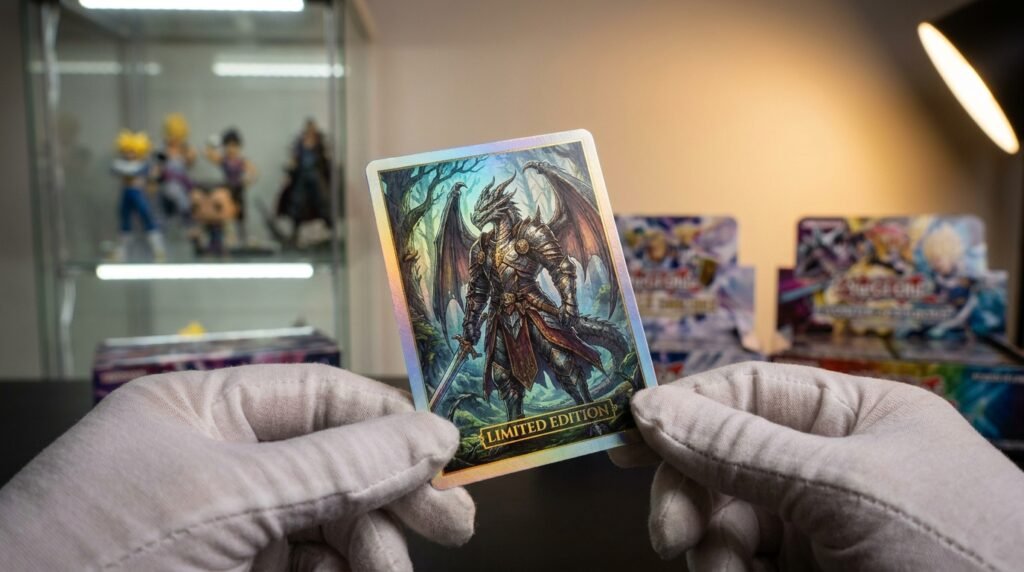
Trading cards are unequivocally making a profound comeback, evolving from a nostalgic pastime into a robust global industry valued at an estimated $50 billion. For individuals holding onto childhood collections of sports cards, Pokémon cards, or Magic: The Gathering decks, now is an opportune moment to assess their value and consider selling. The market’s resurgence is driven by a powerful confluence of social media influence, heightened collector interest, and the significant financial appreciation of rare items, particularly those in pristine condition. If you possess a collection and seek to understand its worth or explore selling, the most effective approach is to seek a professional appraisal. Experts can accurately evaluate condition, rarity, and current market demand, providing a transparent and fair assessment. For a streamlined, trustworthy process and immediate offers, engaging with established buyers like Comic Buying Center in Libertyville, IL, ensures you receive expert advice and fair prices for your valuable collectibles, whether you are a seasoned collector or selling for the first time.
Key Takeaways
- The trading card market has seen a dramatic resurgence, transforming into a multi-billion dollar industry driven by new demographics and digital platforms.
- Key value drivers include rarity, condition, card grading (PSA, BGS, CGC), and historical significance, with specific cards fetching six and seven-figure prices.
- Social media and online communities have significantly broadened the market’s appeal, making collecting cool and accessible to a wider audience.
- Professional appraisal is crucial for accurately valuing collections, as market dynamics for Pokemon cards, sports cards, and Magic cards can fluctuate rapidly.
- Selling to a reputable dealer offers a secure and transparent process, ensuring fair compensation without the complexities of navigating auction platforms.
The Resurgence of Collectible Cards: A Market Reimagined
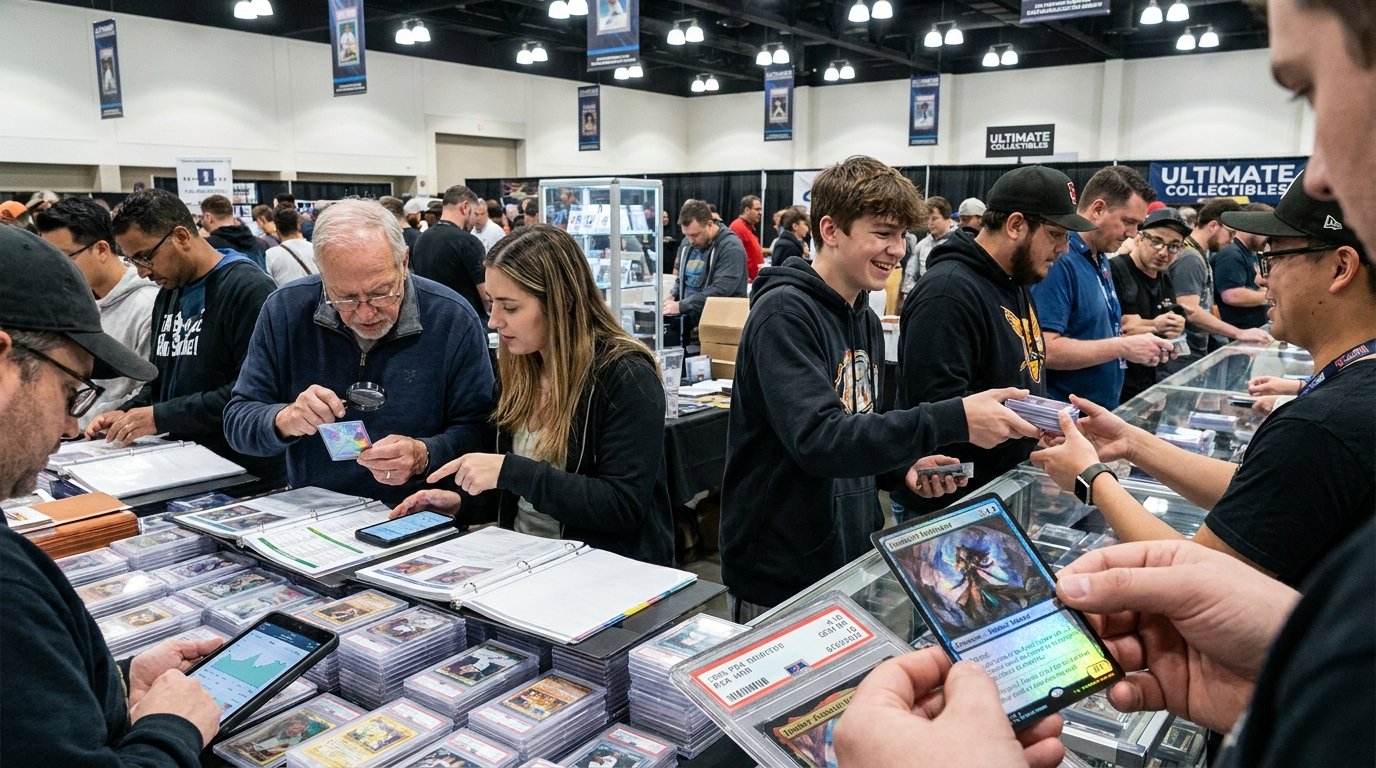
The collectible trading card industry has experienced an extraordinary renaissance, transitioning from a niche hobby into a prominent segment of the global collectibles market. What was once primarily a pastime for children and dedicated enthusiasts has expanded exponentially, attracting a diverse demographic including investors, nostalgic adults, and social media influencers. This revitalized interest has propelled the industry to an impressive estimated valuation of $50 billion, with projections indicating further growth to $90 billion by 2032, according to market analysts. The underlying factors contributing to this boom are multifaceted, encompassing technological advancements, evolving cultural perceptions, and a renewed appreciation for tangible assets in a digital age.
The transformation is most evident in the visibility and accessibility of the hobby. Modern platforms have allowed collectors to connect, trade, and showcase their items with unprecedented ease. This increased engagement has not only democratized the market but also amplified the stories and excitement surrounding rare finds. The shift has made collecting not just acceptable, but desirable, overturning previous stereotypes and inviting a new generation into the fold. This widespread appeal ensures the current momentum is likely a lasting trend rather than a fleeting craze.
Digital Influence and Accessibility
Digital platforms and social media have undeniably played a pivotal role in catapulting trading cards back into the mainstream. Live streaming services like Twitch, video platforms such as YouTube, and social media giants like Instagram and TikTok provide creators with powerful tools to share their passion for collecting. Influencers and content creators regularly showcase pack openings, rare card discoveries, and collection tours, drawing millions of viewers and fostering vibrant online communities. This digital exposure has introduced the hobby to a younger audience and re-engaged former collectors, making the pursuit of rare cards a viral phenomenon.
Online marketplaces and specialized auction sites have further streamlined the buying and selling process, breaking down geographical barriers and expanding the global reach of the market. Collectors in different continents can now easily trade or purchase cards, contributing to a more dynamic and competitive environment. This enhanced accessibility has also facilitated transparency in pricing and valuation, as market data and completed sales are readily available, helping both buyers and sellers make informed decisions. The digital landscape has essentially rebooted the industry, placing it in direct competition for attention with other forms of digital entertainment and succeeding.
Nostalgia and Intergenerational Appeal
Beyond digital trends, a significant driver of the trading card resurgence is the powerful force of nostalgia. Many adults who collected cards in their youth are now returning to the hobby, often bringing their own children into the experience. This intergenerational sharing creates a unique bond, where parents can relive childhood memories while introducing their offspring to a tangible form of collecting in an increasingly digital world. The sentimental value attached to cards from iconic franchises like Pokémon, Magic: The Gathering, and classic sports teams resonates deeply, transforming what might seem like mere pieces of cardboard into cherished artifacts.
This nostalgic appeal also translates into significant financial value for certain items. For instance, a first edition Charizard card from the Pokémon TCG, a cornerstone of many childhood collections, has repeatedly set record-breaking prices, with one Rare 1st Edition Charizard card selling for an astounding $550,000. This phenomenon demonstrates how items that evoke strong personal memories can also possess substantial investment potential. The combination of emotional connection and financial viability reinforces the long-term sustainability of the trading card market, distinguishing it from purely speculative trends.
Understanding What Drives Value in the Modern Card Market
The value of a trading card in today’s market is determined by a complex interplay of several critical factors, far beyond simple sentiment. While personal preference certainly plays a role for individual collectors, the objective market value is primarily shaped by rarity, condition, grading, and the specific historical or cultural significance of the card. Understanding these drivers is essential for anyone looking to either invest in or liquidate a collection, as even subtle differences can translate into significant price variations. An expert’s eye is crucial in discerning these nuances.
Rarity remains a fundamental principle. Cards printed in limited quantities, those with low pull rates from booster packs, or special promotional issues inherently command higher prices. However, rarity alone is often insufficient without an accompanying demand. A rare card for a less popular player or character might not achieve the same valuation as a more common card featuring a highly sought-after icon. Condition is paramount; a card free of blemishes, sharp corners, and perfect centering will always be more valuable than a worn or damaged counterpart, even if equally rare. The professional grading system exists precisely to standardize this assessment of condition.
The Role of Professional Grading
Professional grading is arguably the single most impactful factor in determining a card’s market value, transforming a raw card into a certified, liquid asset. Companies like PSA (Professional Sports Authenticator), BGS (Beckett Grading Services), and CGC Cards (Certified Guaranty Company) provide expert, unbiased evaluations of a card’s authenticity and condition. Each card is meticulously inspected for factors such as centering, corners, edges, and surface quality, then assigned a numerical grade, typically from 1 (Poor) to 10 (Gem Mint). A card achieving a perfect ’10’ grade can see its value multiply exponentially compared to an un-graded or lower-graded example.
For example, while an ungraded vintage rookie card of a Hall of Famer might sell for hundreds, the same card graded PSA 10 could fetch tens of thousands or even hundreds of thousands. This premium is due to the trust and liquidity that professional grading imparts. Collectors and investors are more confident in purchasing graded cards because the condition is certified and protected within a sealed slab. The cost for grading can vary significantly depending on the service level chosen and the declared value of the card, ranging from approximately $20–$80 for budget options to $150–$400 for premium services required for high-value or rare cards, often with expedited turnaround times. Misjudging a card’s potential grade and sending a low-value card for an expensive grading service is a common professional mistake to avoid. Always consult with experts or use comprehensive grading guides to estimate potential grades before incurring significant costs.
| Card Type | Primary Value Drivers | Target Audience | Market Dynamics |
|---|---|---|---|
| Sports Cards | Player fame, rookie status, autograph, rarity (e.g., serial numbering), condition, professional grade. | Sports enthusiasts, investors, collectors of specific teams/players. | Influenced by player performance, historical significance, team popularity. High correlation with major sports events. |
| Pokémon Cards | Rarity (e.g., 1st Edition, Shadowless, Holofoil), iconic Pokémon, artwork, condition, professional grade. | Nostalgic collectors, younger players, investors in pop culture artifacts. | Driven by animated series/game popularity, specific character appeal, historical sets. |
| Magic: The Gathering Cards | Playability (competitive viability), rarity (e.g., Reserved List, Alpha/Beta), artist, condition, professional grade. | Competitive players, long-term investors, collectors of specific sets/artists. | Highly influenced by game mechanics, banned/restricted lists, meta-game shifts, set releases. |
| Non-Sports/Pop Culture Cards | Franchise popularity (Star Wars, Marvel), character appeal, rarity, artist, condition, professional grade. | Fans of specific media franchises, art collectors, niche enthusiasts. | Tied to movie releases, comic book storylines, anniversaries, and overall pop culture relevance. |
Navigating the Market: Buying, Selling, and Appraising Your Collection
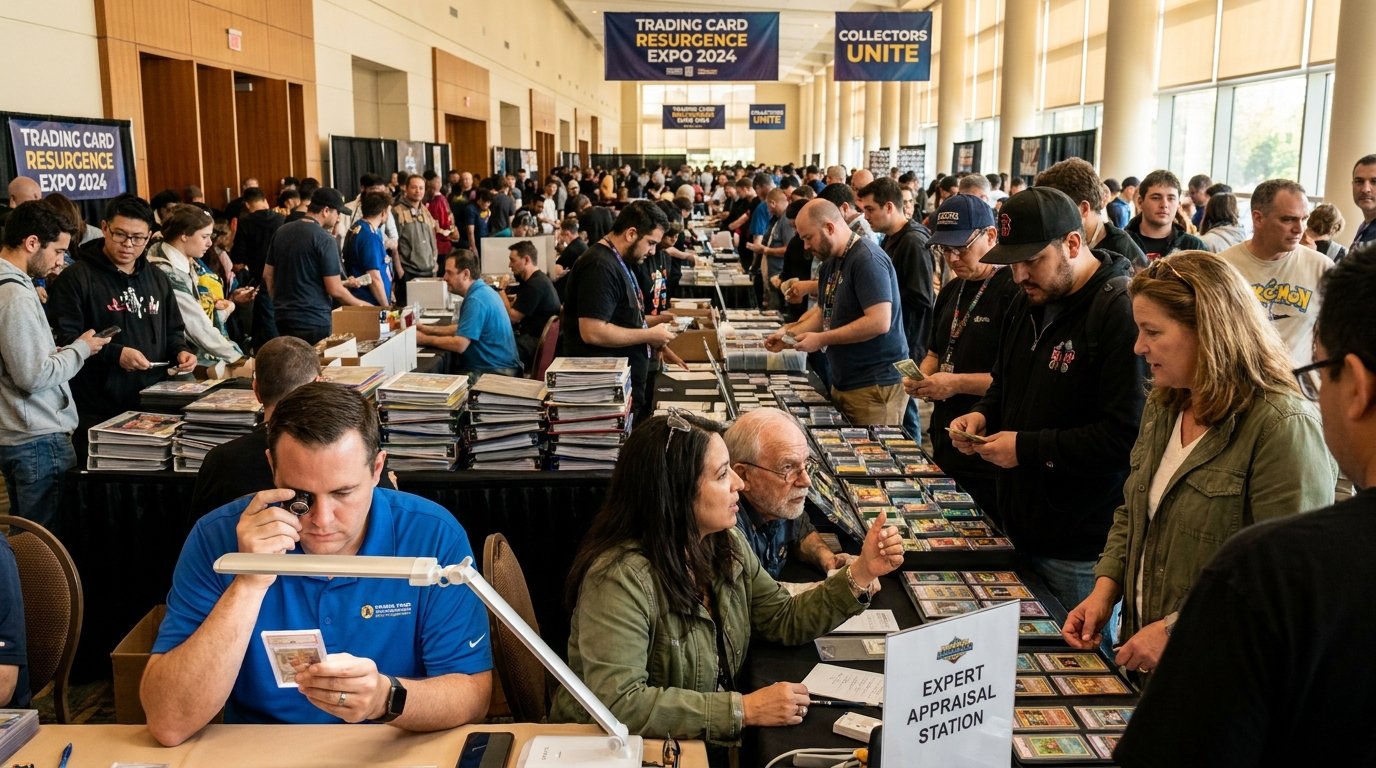
Navigating the contemporary trading card market, whether as a buyer or seller, demands both knowledge and a strategic approach. The market’s dynamism means that values can fluctuate, and opportunities can arise rapidly. For buyers, thorough research into specific cards, understanding market trends, and setting clear collection goals are paramount. For sellers, maximizing value requires an honest assessment of one’s collection, an understanding of current demand, and choosing the right sales channel. Crucially, both parties benefit immensely from engaging with reputable experts who can provide accurate appraisals and facilitate secure transactions.
The emergence of various selling platforms, from online auctions to direct sales, offers flexibility but also introduces complexity. While online auctions can sometimes yield higher prices for highly sought-after, graded cards, they also involve significant time investment, listing fees, shipping logistics, and the risk of dealing with unverified buyers. For collections of substantial value or for sellers seeking a hassle-free experience, a direct sale to an established dealer often proves to be the most efficient and secure option. Professional dealers offer immediate payment and remove the guesswork from valuation.
How to Prepare Your Collection for Sale or Appraisal
Before considering a sale or seeking an appraisal, a methodical approach to preparing your collection will streamline the process and potentially enhance its perceived value. A well-organized and carefully handled collection speaks to the owner’s care, which can subtly influence an appraiser’s initial impression. Taking the time to sort and protect your cards demonstrates professionalism and can make the appraisal process much more efficient.
- Organize and Catalog: Begin by sorting your cards by game, set, rarity, or any logical system. Create a basic inventory, noting key cards, potential rarities, and any particularly valuable items. This initial step helps you understand the scope of your collection.
- Assess Condition: Individually examine each card for wear and tear. Look for soft corners, whitening on edges, scratches on the surface, or creases. Be realistic about the condition; even minor imperfections significantly impact value. Separate cards into categories like “mint,” “near mint,” “excellent,” “good,” and “played.”
- Protect Valuable Cards: Place any potentially high-value cards into soft sleeves (penny sleeves) and then into rigid top-loaders or magnetic card holders. This protects them from further damage during transport and handling. Avoid using rubber bands or tape, which can damage cards.
- Research Basic Values (Optional but Recommended): While a professional appraisal is definitive, conducting some preliminary research on sites like TCGPlayer, eBay “sold listings,” or specialized price guides can give you a general idea of your collection’s potential worth. This background knowledge empowers you during discussions with buyers.
- Consolidate and Clean: Group similar cards together to make them easier to review. While not a deep clean, ensure cards are free of dust or superficial dirt before presenting them for appraisal.
Once your collection is organized and protected, contacting a trusted entity like Comic Buying Center is the next logical step. Our team provides professional appraisals for a wide array of collectibles, including valuable sports cards, comic books, and video games, ensuring you receive a fair and transparent offer based on current market data and expert evaluation. We simplify the entire selling experience, offering clear explanations and immediate payment.
Future Outlook for the Collectibles Industry
The trading card industry’s future appears robust, poised for continued growth and innovation. Unlike fleeting speculative bubbles such as certain aspects of the NFT market, the foundation of the trading card resurgence is built on tangible assets, rich cultural history, and deeply ingrained nostalgia. These elements contribute to a more stable and sustainable market, even amidst potential economic fluctuations. The continued integration of digital tools for collecting, selling, and community building further solidifies its position as a dynamic and evolving hobby and investment class.
While some skeptics draw parallels to past speculative frenzies, the current market is supported by a broader and more informed collector base. The accessibility of market data and professional grading services fosters greater transparency, which helps to mitigate some of the risks associated with uninformed speculation. The industry is also adapting to new trends, with some manufacturers exploring authenticated digital counterparts to physical cards, blending traditional collecting with modern technology. This dual approach ensures that trading cards remain relevant and appealing across various collector preferences.
Moreover, the demographics of collectors continue to broaden. What was once seen as a largely male-dominated hobby now actively includes women and a wider range of age groups and cultural backgrounds. This expanded participation creates a larger, more resilient market. Major franchises continue to release new sets, maintaining interest and introducing fresh collecting opportunities, while vintage cards retain their enduring appeal due to their historical significance and scarcity. The long-term outlook suggests a healthy, growing market for collectible cards, with steady appreciation for rare and well-preserved items.
FAQ
What specific types of trading cards are most valuable today?
The most valuable trading cards typically fall into categories like vintage sports cards (especially pre-1980s Hall of Fame rookies), first edition or rare holographic Pokémon cards (such as Charizard), and highly sought-after Magic: The Gathering cards from early sets or the Reserved List. Condition and professional grading significantly impact their final value.
How does professional grading affect the value of a trading card?
Professional grading dramatically increases a card’s value by providing an objective, third-party assessment of its authenticity and condition. A higher grade, especially a Gem Mint 10, signifies superior quality and authenticity, making the card more liquid and desirable to collectors and investors, often multiplying its value many times over.
When is the best time to sell trading cards?
The best time to sell trading cards often coincides with periods of high market demand, anniversary celebrations of a franchise, or renewed interest in a specific player or set. However, a reputable dealer can provide fair market value at any time, eliminating the need to time market peaks for casual sellers.
Is the current trading card boom a sustainable trend or a temporary bubble?
The current trading card boom is widely considered a sustainable trend, underpinned by strong factors like nostalgia, widespread social media engagement, and the tangibility of physical assets. While market corrections can occur, the broad collector base and established infrastructure suggest a lasting resurgence rather than a temporary bubble, differentiating it from purely speculative trends.
Which services does Comic Buying Center offer for trading card collectors?
Comic Buying Center offers professional appraisals for various trading cards, including sports cards, Pokémon cards, and Magic: The Gathering cards. We provide fair prices, clear explanations, and a fast, hassle-free process for selling your collection, whether you are a long-time collector or new to the process.
See also: How Does Comic Book Condition Affect Value?
See also: What Makes Video Games Valuable?