
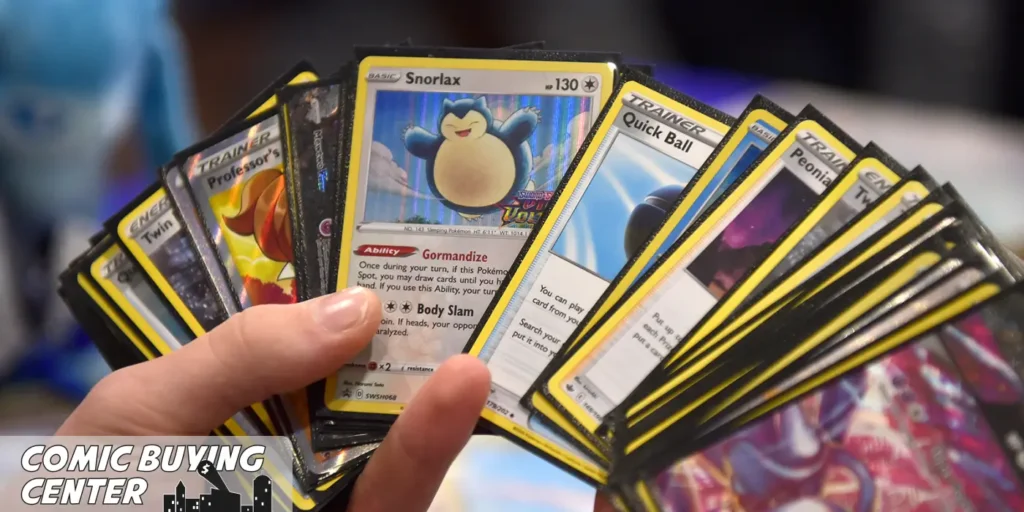
What Are Graded Pokémon Cards?
A graded Pokemon card is a card that has been officially checked and rated by a professional grading company, or graded, hence the name. After inspection, the card is sealed in a hard plastic case with a label indicating its grade, typically on a scale of 1 to 10.
A 10 means the card is in near-perfect condition, while lower grades indicate flaws such as scratches, whitening, or poor centering. Graded cards are easier to sell and hold their value better because their condition is officially verified.
Why Have a Pokemon Card Graded?
People usually grade Pokemon cards when they’re rare, very expensive, or something they want to protect long-term. Regular cards aren’t worth grading because the grading fee is higher than the card’s value, and they’re doubtful to rise in price to justify grading.
But if you have a card that’s already worth good money, or one you see as an investment, grading Pokemon cards makes sense. It keeps the card protected in a hard case, confirms its condition, and can increase its market value, since buyers trust professionally graded cards much more.
Pokemon Card Grading System Explained
A grader looks at four main things:
- Centering. Are the borders even on all sides?
- Corners. Are they sharp or slightly worn?
- Edges. Any whitening, dings, or chipping?
- Surface. Scratches, dents, print lines, stains, or gloss loss?
The standard Pokemon card grading system looks like:
- 10 – Gem Mint. Practically perfect. Clean corners, excellent centering, flawless surface.
- 9 – Mint. Almost perfect, one tiny flaw.
- 8 – Near Mint/Mint. A couple of minor imperfections, still very clean.
- 7 – Near Mint. Light wear, slightly rough corners, or subtle surface marks.
- 6 and below. Noticeable wear, scratches, whitening, or creases. Lower grades show heavier damage.
What Pokemon card grading does:
- Confirms it’s real
- Protects it in a hard case
- Graded Pokemon cards are easier to sell
- Gives the card a reliable condition score that everyone understands
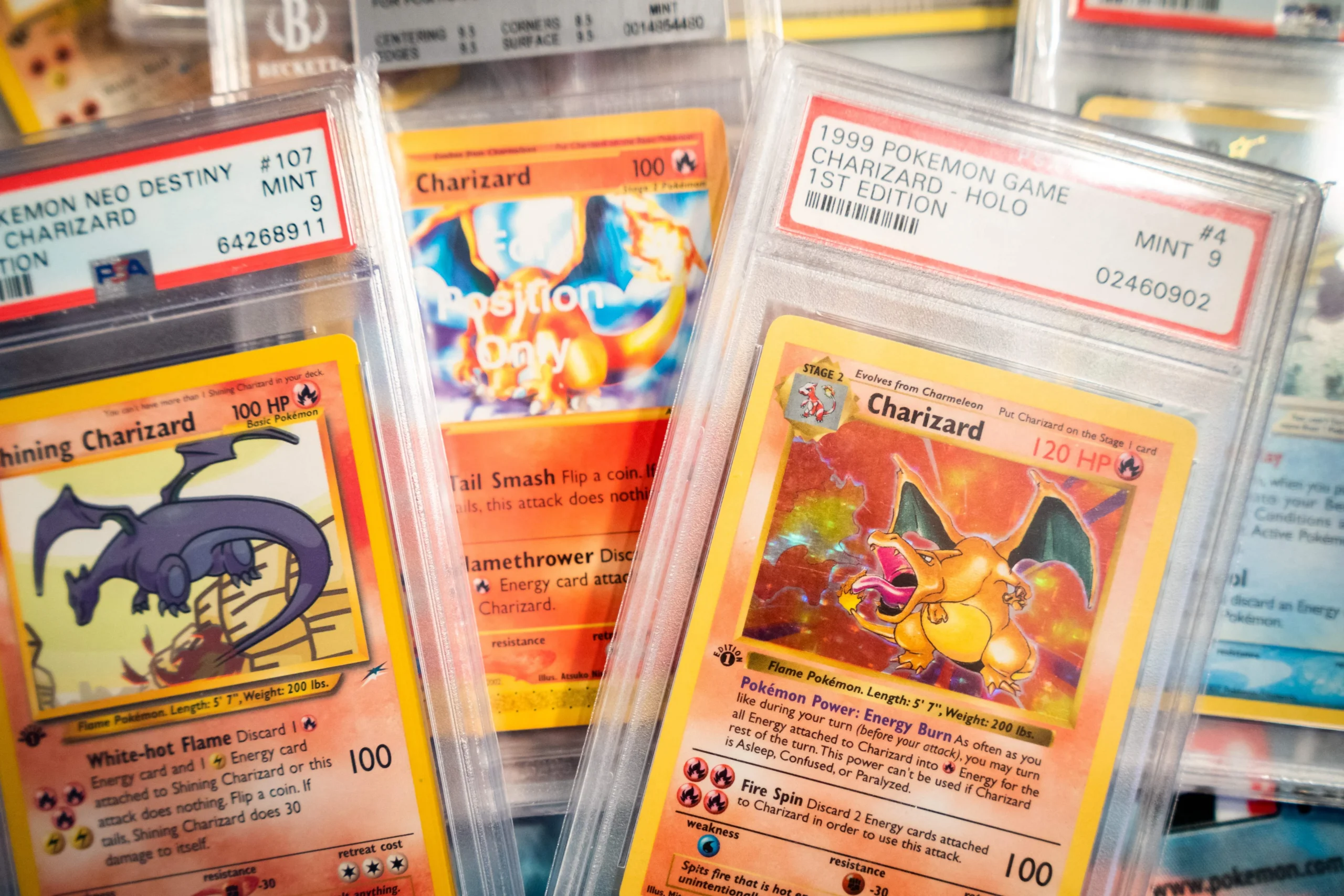
Step-by-Step Guide – How to Get Pokemon Cards Graded
We’ll tell you about the whole thing in order, from choosing which cards to grade to mailing them out and getting your results back. So how to grade pokemon cards?
Step 1. Choose a Grading Company
How to grade pokemon cards and choose a grading company? When picking a grading company, focus on essential things: the quality of their slabs, how consistent their grades are, how fast they work, and their overall reputation. Look for companies that use custom-made cases (not cheap generic ones) and clear, easy-to-read labels. Check how long they’ve been around, and how collectors talk about them. A good grading company should be reliable, transparent, and trusted by the community. Don’t send your cards to just anybody.
Step 2. Prepare Your Cards for Submission
How to get pokemon cards graded? Before you send anything in, pull out only the cards that are valuable, clean, and not damaged. Don’t bother grading bulk cards or ones with dents or print flaws – they’ll just get low scores.
Step 3. Fill Out Submission Forms Correctly
When you fill out the submission form, list each card clearly – name, set, number, and the value you want to declare. Double-check everything. If you’re unsure, a local card shop can help you get the details right. Print the form, keep it with your cards, and make sure the number of cards on the form matches what you’re sending. Clean, accurate info is all the graders need.
Step 4. Package and Ship Safely
Pack your cards so they can’t move or bend. Use a solid box and add padding around the card savers. Keep the cards in the same order as on your submission form. Seal the box well – bright tape makes tampering easier to spot. If the cards are expensive, ship them with a secure method like Registered Mail. Add the correct shipping label, double-check the grading company’s address, and send it out.
Step 5. Wait for the Grading and Review Results
You’ve basically done everything you could. Once your cards arrive, the grading company goes through its standard process. If something in your submission needs clarification, they’ll contact you. If everything is fine, you just wait until they finish grading. When they’re done, you’ll get your results and your graded cards back in the mail. Enjoy your graded Pokemon card!
What Factors Affect Your Pokémon Card’s Grade
- Centering. Graders check how evenly the borders surround the artwork on both the front and back. If one side has a noticeably thicker border, your grade drops.
- Edges and Corners. Any whitening, tiny bends, fraying, or rough cuts will lower the score. Even minor flaws can make a difference.
- Surface Condition. Scratches, print lines, dents, fingerprints, or residue on the card’s front or back all affect the final score. Holographic areas are usually especially sensitive.
- Printing and Holo Quality. Misaligned text, faded colors, weak holo shine, or holo patterns with defects can hurt your grade.

Tips Before Sending Your Pokémon Cards for Grading
- Only grade cards that are actually worth it, and check the price sales. If the card is cheap, the grading won’t make sense. Yes, graded Pokemon cards are worth more, but if the card is affordable, it won’t increase its value enough to justify grading.
- Check for print lines and dents — tilt holo cards in good light. Any print line or tiny dent usually kills the chance at a 10.
- Look closely at corners and centering. Rough corners or bad centering will drop the grade fast.
- Handle the card carefully. Use clean hands, hold the edges, and lightly remove dust with a microfiber cloth.
- Use card savers, not top loaders. Grading companies prefer them, and they’re safer for shipping.
- Take photos before shipping. Helpful in case something happens in transit.
Conclusion
Collecting Pokemon cards is a lot easier when you know what you’re looking at. Once you learn how to tell if a pokemon card is fake, grading, prices, and condition start making sense. And with the hobby growing fast (even people who sell comic books get into it), the stakes keep going up.
Some collectors want to get the most expensive Pokemon card, others just want cards they enjoy, but either way, it helps to have some basic knowledge. There are tons of cards out there (seriously, how many pokemon cards are there at this point? Thousands!), and not every card is worth grading or buying.