
Defining the “best-selling video game of all time” requires careful consideration of sales metrics, distribution models, and platform ubiquity. While an absolute top spot often goes to games with broad appeal across multiple platforms, especially mobile, the core contenders for console and PC remain consistent. For sheer numbers, Tetris stands as the undisputed champion with over 520 million units sold, largely due to its widespread mobile adoption and bundling with devices like the Game Boy. Closely following are Mojang’s creative sandbox, Minecraft, exceeding 300 million copies, and Rockstar Games’ cinematic open-world epic, Grand Theft Auto V, which has surpassed 200 million units across multiple console generations. These titles exemplify longevity, innovation, and broad demographic reach, distinguishing them in a crowded market. For collectors or individuals looking to sell their video game collections, understanding the nuances of these market successes and how they influence value is paramount; professional appraisal from experienced buyers like Comic Buying Center ensures fair prices and a clear, hassle-free process, whether you possess a modern classic or a vintage gem.
Key Takeaways
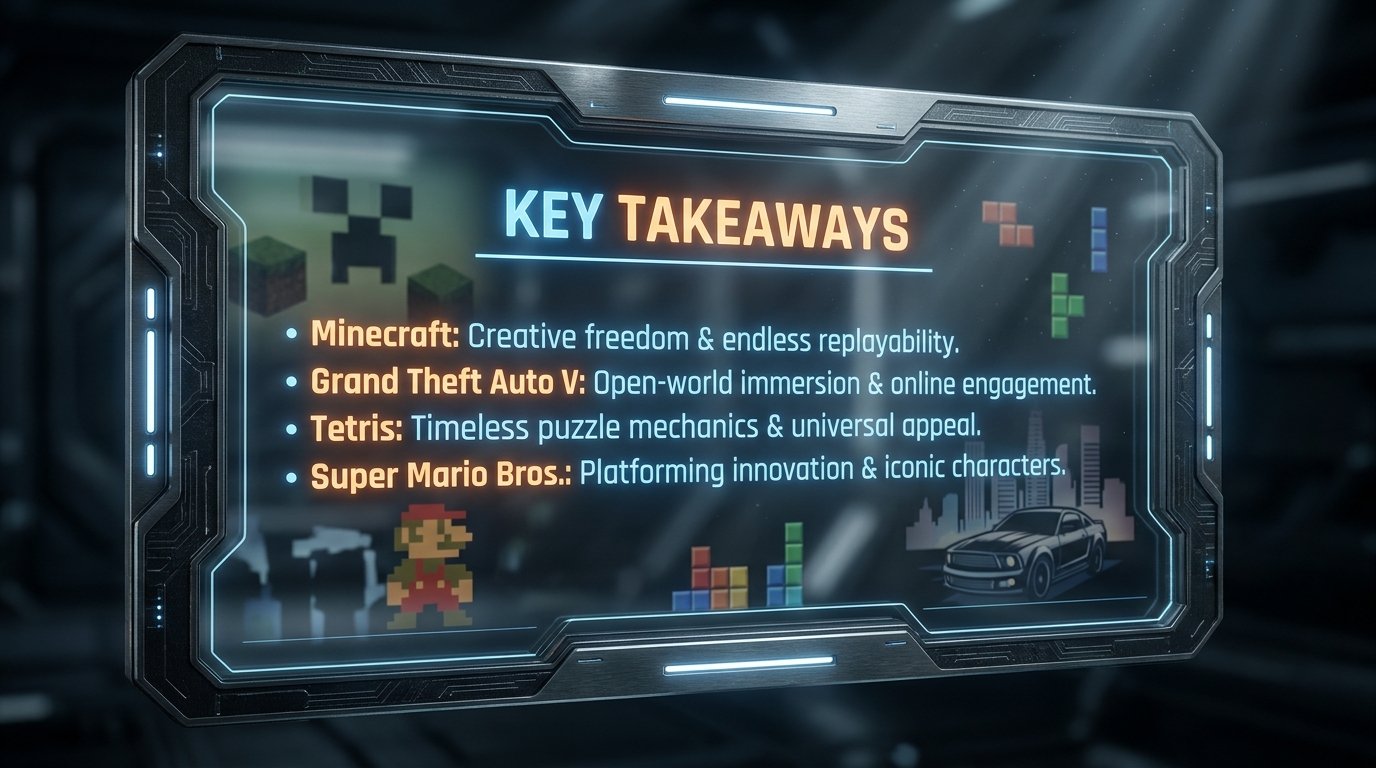
- Tetris remains the highest-selling video game globally, primarily driven by its mobile versions and historical bundling.
- Minecraft and Grand Theft Auto V consistently rank as top sellers due to continuous updates, vast communities, and multi-platform availability.
- Sales figures are influenced by factors like bundled sales (e.g., Wii Sports), digital distribution, and free-to-play transitions.
- When considering selling your video game collection, a professional appraisal accounts for factors beyond raw sales, such as condition, rarity, and market demand.
- The video game market continually evolves, making expert insight crucial for accurate valuation of your treasured items.
The Undisputed Titans: Unpacking the Highest-Selling Games
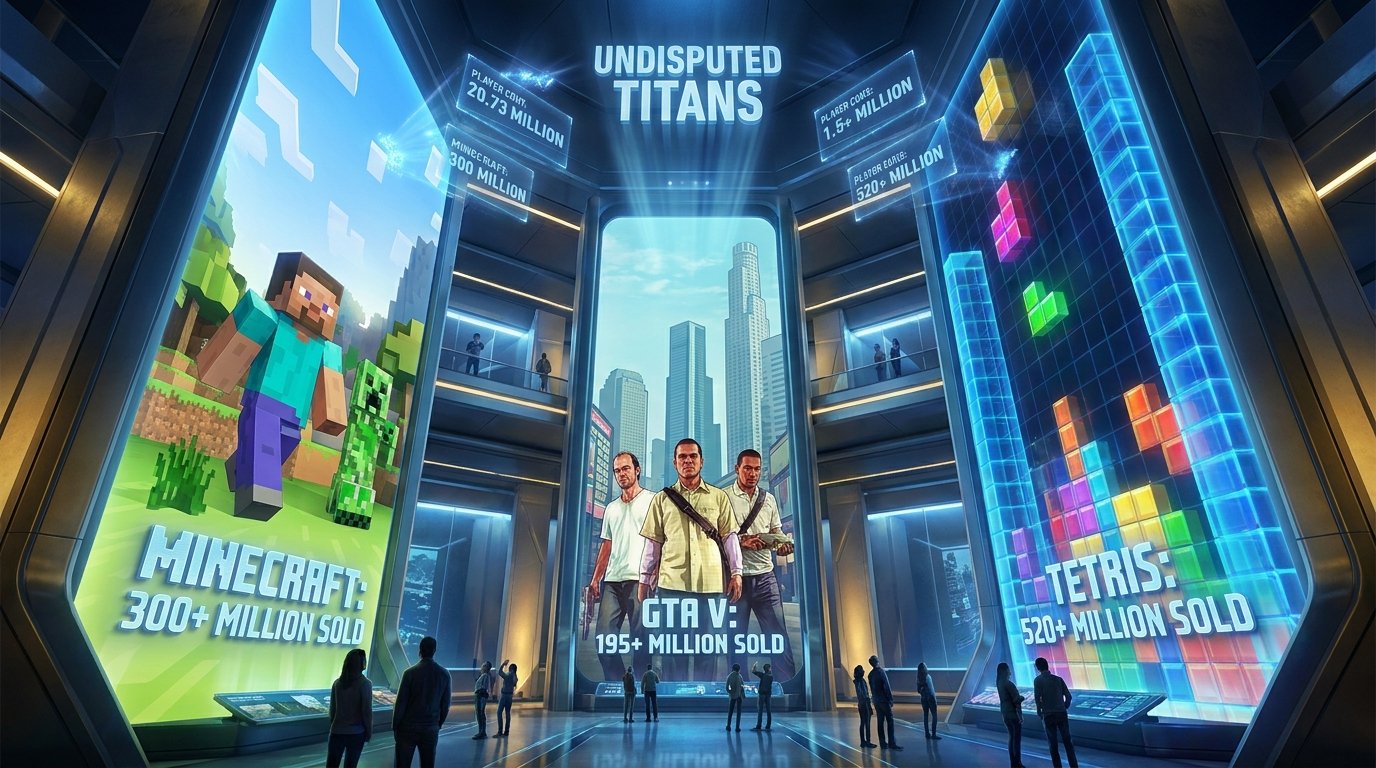
The landscape of video game sales is dominated by a few colossal titles that have transcended generations and platforms, achieving unprecedented commercial success. These games typically share characteristics such as universal appeal, sustained relevance, and extensive availability across various systems. The top three highest-selling games exemplify these traits, showcasing diverse genres and approaches to capturing a global audience.
Tetris, a deceptively simple puzzle game, holds the top position with an astonishing 520 million copies sold. Its brilliance lies in its intuitive mechanics and endless replayability, making it accessible to players of all ages and skill levels. While initially conceived in 1984 in the Soviet Union, its widespread adoption began in earnest when it was bundled with Nintendo’s Game Boy in 1989. This strategic move, combined with its later ubiquitous presence on mobile phones, cemented its status. According to The Tetris Company, over 425 million paid mobile downloads alone were recorded by 2014, highlighting the enduring power of its simple design across new platforms.
Following Tetris is Minecraft, a sandbox phenomenon from Mojang Studios, which has surpassed 300 million units sold as of October 2023. Its success stems from offering players unparalleled creative freedom, allowing them to build, explore, and survive in procedurally generated worlds. This open-ended gameplay fosters a vibrant community and encourages endless content creation, maintaining player engagement for over a decade since its initial release. Minecraft’s availability on virtually every modern gaming platform, from PC and consoles to mobile and VR, has significantly contributed to its monumental sales figures.
Grand Theft Auto V, developed by Rockstar North and published by Rockstar Games, secures the third spot with sales exceeding 200 million copies by July 2024. This action-adventure masterpiece is renowned for its expansive open world, compelling narrative, and groundbreaking multiplayer component, Grand Theft Auto Online. Its commercial performance is particularly remarkable given its premium price point and its origins primarily on console and PC. The game’s re-releases across three console generations demonstrate its enduring appeal and Rockstar’s commitment to supporting and updating its online world, generating billions in revenue beyond initial sales.
Beyond Raw Sales: Factors Defining a “Top-Grossing” Legacy
While raw sales figures provide a clear snapshot of a game’s reach, understanding what constitutes a “top-grossing” legacy requires a deeper dive into market dynamics. Several factors influence how a game performs commercially, often distinguishing between a mere sales success and a cultural phenomenon with sustained financial impact. These elements range from distribution strategies to the very nature of modern gaming economics.
One significant factor is platform exclusivity and bundling. Historically, games like Wii Sports, which sold 82.9 million copies, owe a substantial portion of their sales to being bundled with the Nintendo Wii console in most territories. This strategy immediately placed the game into millions of homes, making it the top-selling single-platform exclusive of all time. While effective for initial penetration, it can sometimes obscure the individual game’s perceived market demand if sold separately. In contrast, games that launch across multiple platforms from day one often have an inherent advantage in reaching a broader audience, as seen with titles like Red Dead Redemption 2, which has sold nearly 64 million copies across PlayStation, Xbox, and PC through March 2024, according to publisher Take-Two’s financial reports.
The evolution of digital distribution has also reshaped sales metrics. While physical copies still contribute, digital storefronts make games more accessible globally, bypassing traditional retail constraints. Furthermore, the rise of free-to-play models has introduced a new dimension to “top-grossing” titles. Games like Fortnite or League of Legends, while boasting hundreds of millions of players and generating billions in revenue through in-game purchases and battle passes, are typically excluded from “best-selling” lists because their initial “download” is free. This distinction is crucial; a game can be incredibly profitable without selling a single initial unit. For collectors, distinguishing between these models is important because it impacts the physical value of a game. A game primarily supported by digital microtransactions may not hold the same physical collectible value as a scarce, complete-in-box (CIB) physical release.
Expert Tip: When evaluating the long-term collectible value of a modern game, consider its physical release scarcity, any special editions, and whether it relies heavily on online-only components. A game with a strong offline single-player experience and limited physical editions often retains more value for collectors than one that is always online or heavily monetized through digital means, especially as server support eventually fades.
A Historical Perspective: Milestones in Video Game Sales
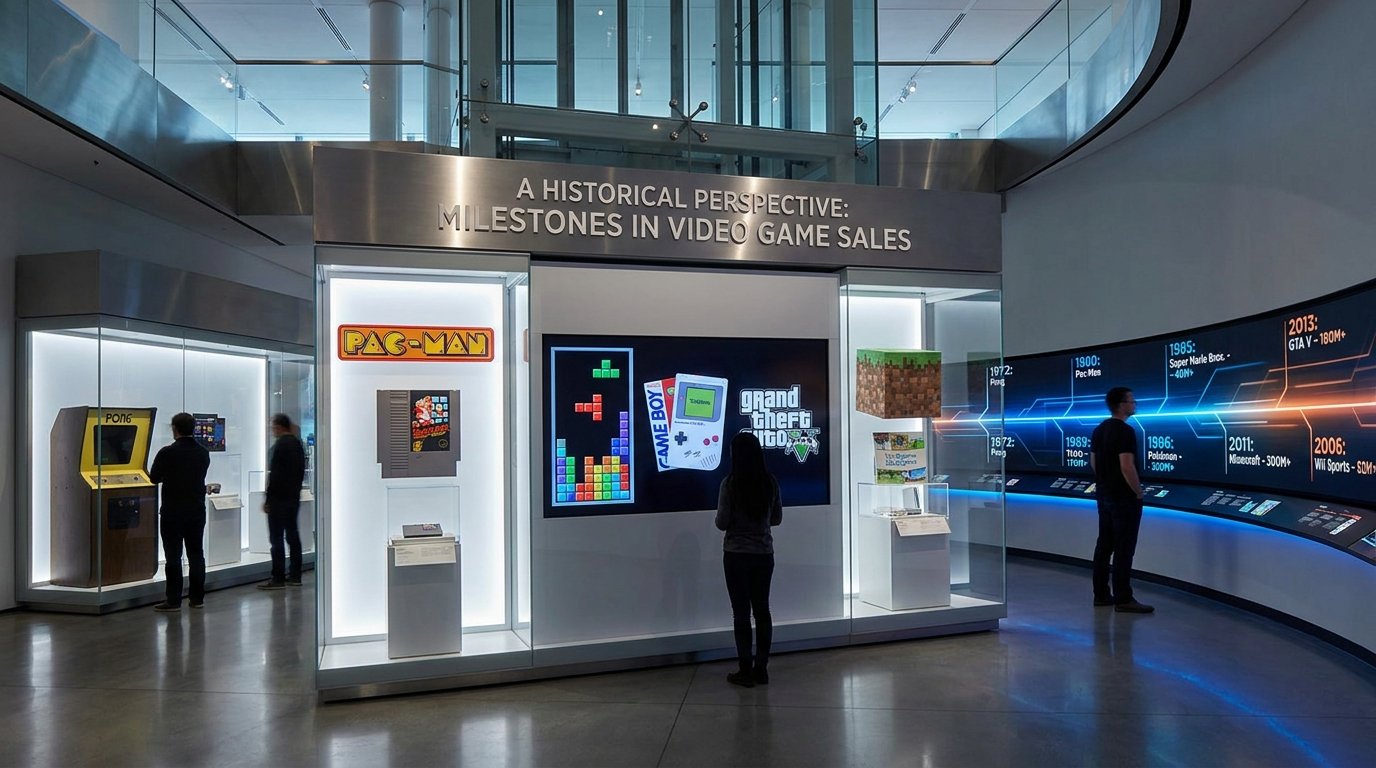
The history of video game sales reflects the industry’s continuous innovation, technological advancements, and shifts in consumer preferences. Each era has produced its own set of blockbusters, often defining the success of their respective platforms and shaping future game development.
The early console era witnessed the foundational success of titles that capitalized on nascent home gaming markets. Nintendo’s Super Mario Bros. (1985), often bundled with the Nintendo Entertainment System (NES), sold over 40 million copies, establishing the platformer genre and demonstrating the appeal of iconic characters. This game was pivotal in revitalizing the video game industry after the crash of 1983. Its sales paved the way for future Nintendo successes, including the Game Boy version of Tetris, which further solidified the handheld market.
The late 1990s and early 2000s saw the rise of more complex genres and the proliferation of 3D graphics. Games like Mario Kart 64 and the original Pokémon Red/Blue for the Game Boy achieved significant sales, leveraging compelling multiplayer experiences and engaging collectible mechanics, respectively. Pokémon Red/Blue, for instance, sold over 31 million copies globally, initiating a franchise that continues to thrive decades later. These titles cultivated dedicated fanbases and established long-running series that consistently rank among top sellers with subsequent iterations.
The mid-2000s marked a significant shift with the introduction of casual gaming. The Nintendo Wii, with its motion controls, brought gaming to a broader demographic. Wii Sports, released in 2006, capitalized on this by offering accessible sports simulations, leading to its impressive sales figures predominantly through console bundles. This period demonstrated that simplicity and social interaction could drive sales on a scale comparable to traditional hardcore gaming titles. Meanwhile, the concurrent rise of digital distribution platforms and online multiplayer experiences, particularly with titles like Call of Duty and Halo, began to redefine how games were purchased and consumed, laying the groundwork for the modern era.
The modern era, roughly from 2010 onwards, is characterized by the dominance of open-world games, live-service models, and unprecedented cross-platform reach. Titles like Minecraft and Grand Theft Auto V have not only achieved massive initial sales but have sustained their popularity and profitability through continuous updates, community engagement, and expansion into new hardware generations. Their success highlights the importance of long-term content strategies and creating experiences that resonate globally, irrespective of language or culture.
| Game Title | Primary Genre | Key Sales Driver(s) | Approx. Units Sold |
|---|---|---|---|
| Tetris | Puzzle | Ubiquitous availability (mobile, bundled with Game Boy), universal appeal, endless replayability. | 520 million+ |
| Minecraft | Sandbox, Survival | Creative freedom, vast community, consistent updates, multi-platform availability. | 300 million+ |
| Grand Theft Auto V | Action-Adventure (Open World) | Immersive story, expansive open world, robust online component, re-releases across generations. | 200 million+ |
| Wii Sports | Sports Simulation | Console bundling, accessible motion controls, broad family appeal. | 82.9 million |
| Red Dead Redemption 2 | Action-Adventure (Open World) | Critically acclaimed narrative, detailed open world, high production value, online mode. | 64 million+ |
The Nuance of Valuation: Selling Your Prized Video Game Collection
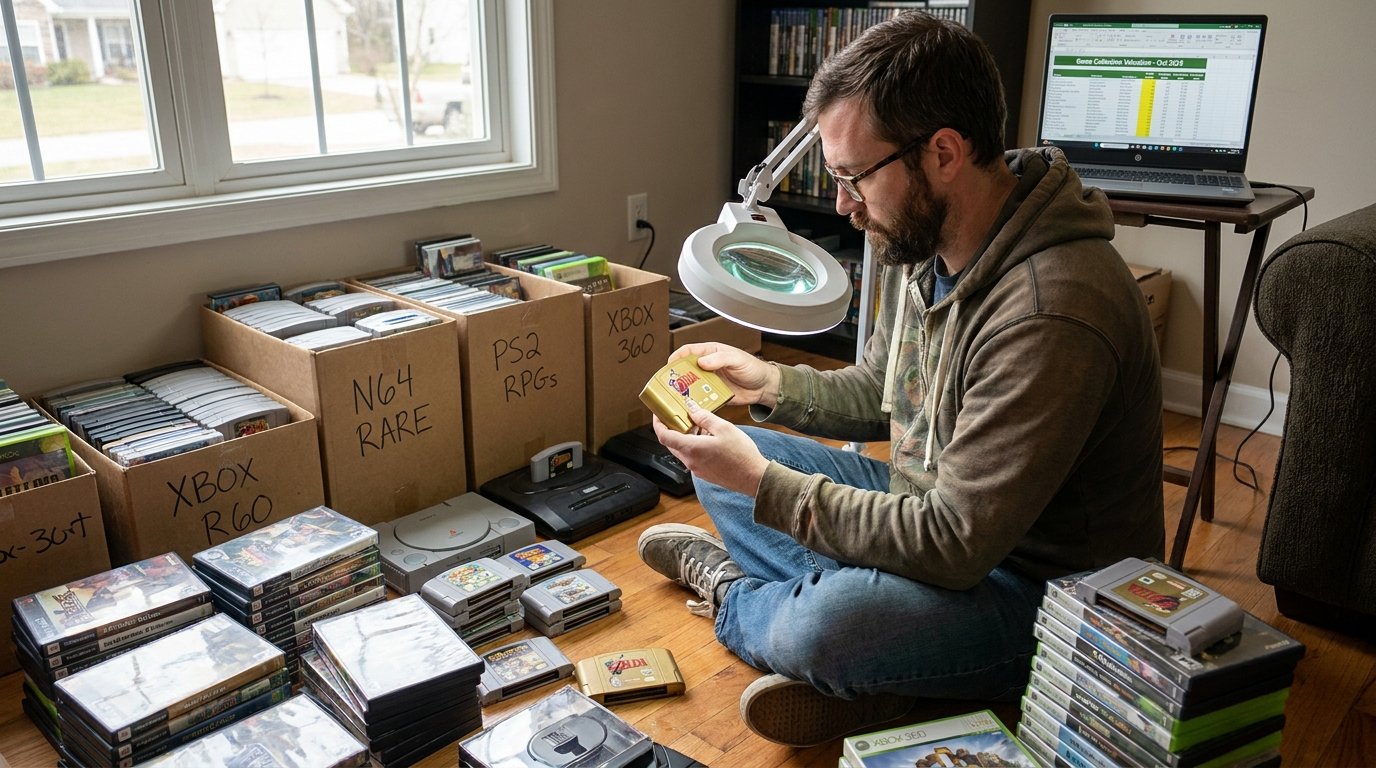
While understanding which video games have sold the most globally is fascinating, for collectors and sellers, the crucial question often revolves around the actual market value of their specific items. The journey from a mass-produced “best-seller” to a valuable collectible is paved with numerous factors that go beyond mere popularity. These factors include condition, rarity, completeness, and market demand, all of which are expertly assessed by specialists like Comic Buying Center.
Condition is paramount. A game in pristine, factory-sealed condition will always command a premium over a loose cartridge or disc. Minor scratches, creases on the box, or missing manuals can significantly impact value. This is particularly true for vintage games, where original packaging (CIB – Complete In Box) is highly sought after. Rarity also plays a critical role. While a game might have sold millions, specific regional variants, limited editions, or promotional copies can be exceptionally scarce and thus valuable. For instance, a first-print run of a classic title might be more desirable than later reproductions.
Market demand is another fluctuating variable. A game’s popularity among collectors or its historical significance can drive its price. Nostalgia often fuels demand for retro titles, while breakthrough games from specific eras can hold significant cultural and monetary value. Furthermore, the ecosystem around a game, such as its franchise’s ongoing success or impact on the gaming industry, can influence its collectible appeal. For example, while Pokémon cards and Magic cards have their own distinct markets, the overall cultural impact of these franchises can create ripple effects in related merchandise and collectibles. Understanding these intricate dynamics requires expertise.
When you decide it’s time to sell your video game collection, preparing your items can make the appraisal process smoother and potentially maximize your return. Here are the steps recommended by professionals:
- Organize and Identify: Group your games by console, then by title. Identify any special editions, bundled versions, or notable variants.
- Assess Condition: Honestly evaluate the condition of each game. Note any damage to boxes, manuals, discs, or cartridges. Are all components present (manual, case, game)?
- Clean Gently: For physical media, carefully clean discs with a soft cloth and appropriate cleaner if needed. For cartridges, ensure connectors are free of dust or corrosion. Avoid harsh chemicals that could cause damage.
- Research Basic Information (Optional but Helpful): While professional appraisers will do the heavy lifting, knowing the approximate release year or platform for your games can be helpful for initial discussions.
- Gather Any Accessories: If you are selling consoles or specific accessories with your games, ensure they are also in good working order and clean.
Comic Buying Center specializes in providing professional appraisals and fair prices for a wide array of collectibles, including video games. Our team offers clear explanations of value, ensuring you understand the market factors at play. Whether you have a single rare title or a vast collection amassed over decades, we make the process simple and trustworthy. Learn more about how we can help you turn your collection into cash by visiting our page on selling video games.
FAQ
What is the best selling video game of all time across all platforms?
The best-selling video game of all time across all platforms is Tetris, with over 520 million copies sold. This figure includes sales from its numerous iterations on various platforms, significantly bolstered by its prevalence on mobile devices and its bundling with the original Game Boy.
How do bundle sales impact a game’s “best-selling” status?
Bundle sales can significantly inflate a game’s sales figures, as the game is sold alongside a console rather than as a standalone purchase. Wii Sports is a prime example, having sold 82.9 million copies largely due to being bundled with the Nintendo Wii console in most territories, making it the highest-selling single-platform exclusive.
Which genres consistently produce top-selling video games?
Several genres consistently produce top-selling video games. Puzzle games like Tetris, sandbox titles such as Minecraft, and open-world action-adventure games like Grand Theft Auto V have proven to have immense, lasting appeal. Sports simulations and role-playing games also frequently appear on best-seller lists.
Is it possible for a free-to-play game to be considered a “best-selling” title?
Generally, free-to-play games are not included in “best-selling” lists because they are distributed without an initial purchase price. While titles like Fortnite or League of Legends generate billions in revenue through in-game purchases and boast massive player bases, they are categorized differently from games that accrue sales through direct unit purchases.
When considering selling old video games, what factors increase their value?
When selling old video games, several factors enhance their value. These include the game’s rarity, its overall condition (especially if complete-in-box with manuals and original packaging), its historical significance, and current market demand among collectors. Graded games or sealed copies typically command the highest prices.
What is the most popular game ever in terms of active players?
While “most popular” can be subjective and fluctuate, games like League of Legends, Fortnite, and Minecraft consistently rank among the highest in terms of active player counts. These titles benefit from free-to-play models (for LoL and Fortnite) and continuous content updates that maintain a dedicated global community.