

Modern video game prices reflect escalating production costs, while retro game values climb due to shrinking supply and growing nostalgia. For new releases, the standard seventy-dollar price tag is driven by AAA development budgets that rival Hollywood blockbusters, combined with decades of cumulative inflation. For classic titles, high prices stem from physical scarcity, decaying paper components, and a surge of collectors seeking to recapture their youth. If you want to play modern games affordably, waiting for digital discounts or using subscription services is the best path. If you are looking to acquire or cash in on vintage titles, focusing on authenticated physical condition is paramount. Understanding these market dynamics helps both active players and vintage investors make smart, financially sound decisions in a rapidly evolving market.
Key Takeaways

- Development Scale: High-end modern games now cost upwards of two hundred million dollars to develop, pushing retail prices to seventy dollars.
- Retro Scarcity: Antique game prices are driven by limited original production runs, degradation of fragile packaging, and rising collector demand.
- Condition is King: Small differences in box condition or the presence of a manual can shift a retro game’s value by thousands of dollars.
- Grading Matters: Third-party verification from services like WATA or CGC creates a certified standard that secures premium prices for pristine copies.
- Strategic Asset Management: Working with a trusted specialty buyer guarantees a fair, stress-free transaction when liquidating a vintage gaming collection.
Why Are Modern Video Games So Expensive to Produce?
Modern video games cost seventy dollars at retail because the complexity of contemporary game design requires massive development teams and years of production. Over the last two decades, game development has evolved from small teams working in modest offices to massive global enterprises employing thousands of artists, programmers, and writers. According to public filings shared by the Federal Trade Commission, budgets for flagship AAA titles routinely exceed two hundred million dollars, not including marketing costs.
To understand where this money goes, one must look at the technical requirements of modern systems. Creating photorealistic graphics, lifelike physics, and massive open worlds requires specialized software licenses and cutting-edge hardware. Game engines like Unreal Engine 5 require substantial licensing fees, while motion-capture studios require expensive equipment and professional actors. Furthermore, modern games are fully voiced by professional SAG-AFTRA talent, requiring thousands of hours of studio recording time and deep writing teams to craft branching narratives.
Inflation also plays a significant role in modern pricing structures. When adjusted for inflation, video games have actually become cheaper over time. A cartridge for the Nintendo 64 in 1996 typically retailed for sixty dollars, which equals over one hundred and ten dollars today. Publishers held the sixty-dollar price point for nearly two decades, absorbing rising costs through digital microtransactions, downloadable content, and expanded deluxe editions. The shift to seventy dollars represents a partial adjustment to help studios survive in a highly competitive market where global games market revenues exceed one hundred and eighty billion dollars annually, as reported by Newzoo.
The Mechanics Behind Why Retro Games Are So Expensive Today
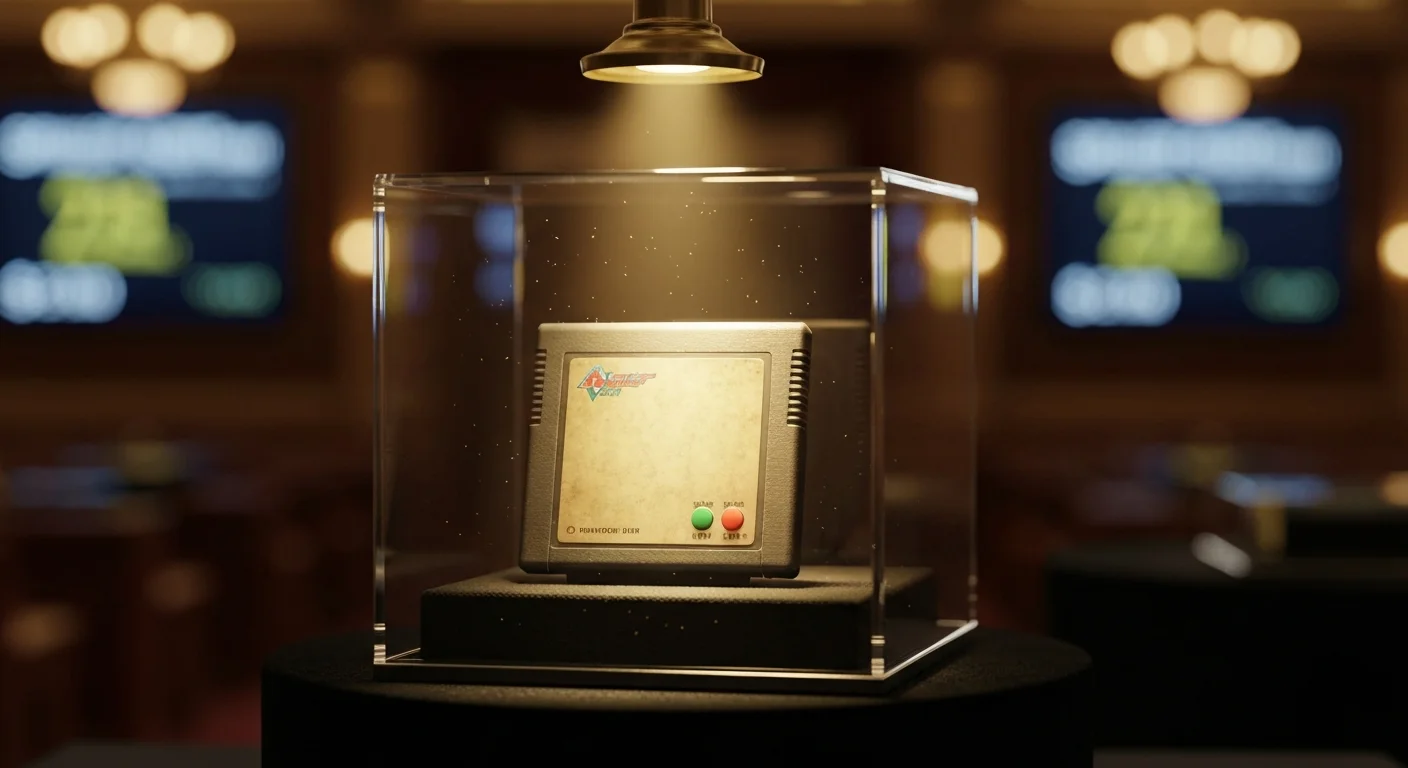
Retro games command high prices today because physical copies of classic titles exist in finite, ever-shrinking quantities while collector demand continues to rise. Unlike modern digital releases, vintage software was distributed on fragile physical media like floppy disks, magnetic tapes, CD-ROMs, and ROM cartridges. Over the decades, many of these items were discarded, damaged, or lost to moisture and heat, creating a severe supply deficit. Cardboard boxes from the Nintendo Entertainment System and Super Nintendo eras were frequently thrown away by children, leaving very few complete copies in existence today.
The psychology of collecting plays a massive role in this market. The generation that grew up playing these consoles in the 1980s and 1990s has reached peak earning years and possesses significant disposable income. This nostalgic drive has transformed classic software into a legitimate alternative asset class. High-profile auctions have seen pristine, factory-sealed games sell for staggering sums, highlighted by the record-breaking Super Mario Bros. sells for $3 million sale. As documented by The New York Times, classic video games are now treated with the same cultural and financial respect as fine art and rare comic books.
Furthermore, regional differences and limited distribution runs contribute heavily to vintage pricing. Games released late in a console’s life cycle, or those that sold poorly during their initial run, are now highly sought after. Cult classics and obscure RPGs that had print runs of only a few thousand copies are now prized treasures. If you own any of these vintage treasures, you can easily sell retro video games for a premium through established, professional buyers who understand their true historical and monetary value.
Crucial Value Indicators in Vintage Game Collecting
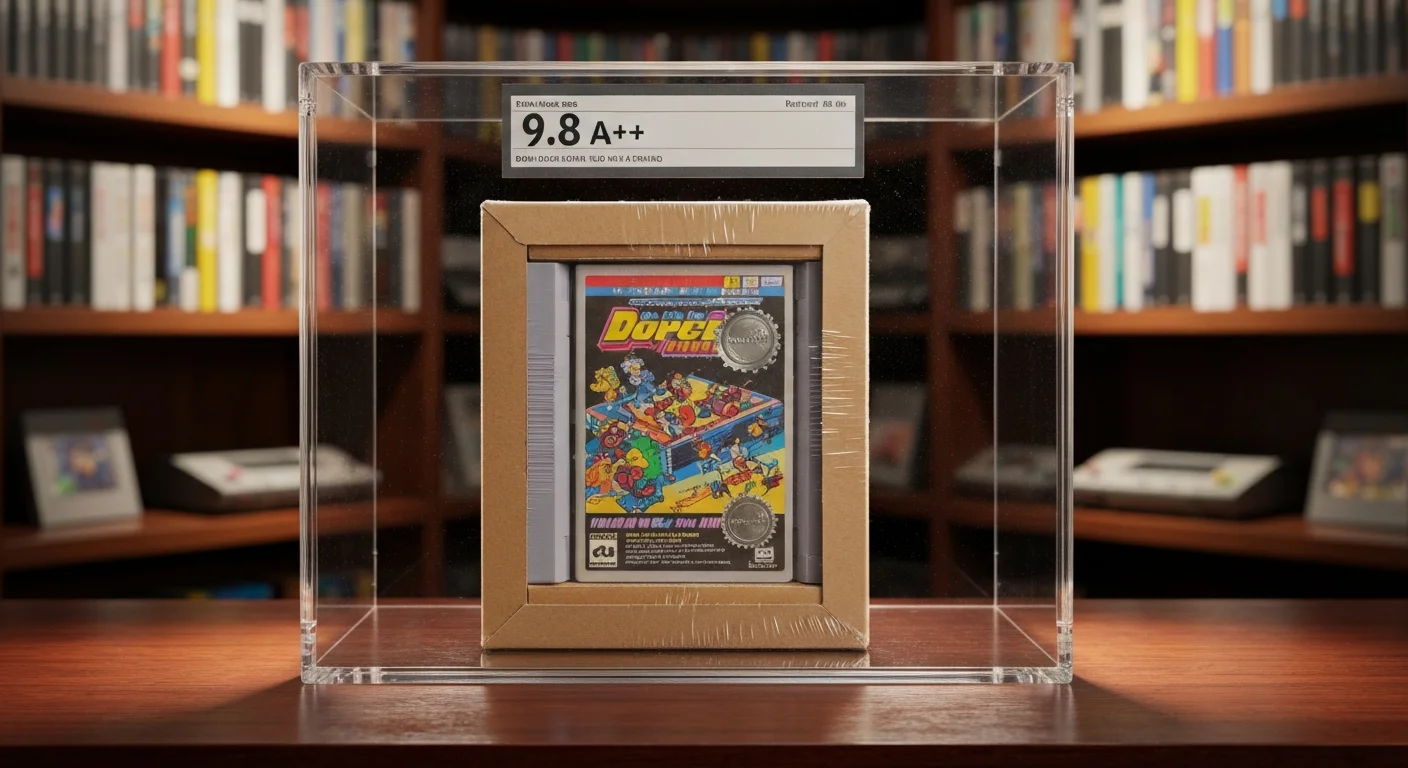
A retro video game’s value is determined by a combination of rarity, physical completeness, and verified preservation quality. Collectors use specific terms to categorize the condition and completeness of a game, which directly impacts the market price. Understanding these terms is essential for anyone looking to buy, sell, or invest in vintage software. The three main categories of completeness include loose cartridges, Complete in Box (CIB), and factory-sealed copies.
Loose cartridges are the most common format and hold the lowest value because they lack original packaging and documentation. Complete in Box copies include the original cardboard or plastic box, the instruction manual, and any promotional inserts that came with the original retail release. Factory-sealed copies remain in their original shrink-wrap, never opened or played, representing the absolute pinnacle of rarity. For highly sought-after titles, the price gap between a loose cartridge and a sealed copy can be thousands of dollars.
The rise of independent, third-party grading companies has added another layer of value to the hobby. Organizations like WATA and CGC examine games under high magnification to grade the box, seal, and overall preservation quality on a ten-point scale. A graded game with a high score offers certified proof of authenticity and condition, appealing to high-net-worth investors and driving prices to record heights in the global collectibles market. For those exploring the absolute peak of this hobby, identifying the rarest video games of all time can provide great insight into what collectors are willing to pay for historical software.
Evaluating Digital vs. Physical Game Values
Comparing modern software investments to retro collectible assets requires analyzing production volume, packaging materials, and underlying value drivers. While modern games represent high entertainment value per dollar, they hold very little collectible value due to infinite digital supply. Conversely, retro games represent high physical asset value driven by scarcity and physical preservation. The following comparison table outlines the primary differences between various gaming assets on the market today.
| Era & Category | Primary Value Driver | Typical Price Range (2026) | Physical Medium | Target Audience |
|---|---|---|---|---|
| Modern AAA Releases | High Development Costs | $70 – $120 | Blu-ray or Digital Download | Active Gamers |
| Common Retro Hits | High Demand & Nostalgia | $20 – $50 | Plastic Cartridge Only | Casual Retro Fans |
| Complete in Box (CIB) RPGs | Low Original Production | $250 – $800 | Cartridge, Paper Box & Manual | Dedicated Collectors |
| Sealed & Graded Classics | Absolute Scarcity | $2,000 – $100,000+ | Factory Sealed Cartridge | High-End Investors |
Expert Strategies for Sourcing and Valuing Vintage Titles
Successfully navigating the vintage video game market requires a disciplined approach to sourcing, authentication, and preservation. Because the retro gaming market is highly lucrative, counterfeits have become increasingly common. Collectors must develop a systematic process to verify authenticity before spending significant capital on vintage titles.
Here is the professional process for identifying and protecting the value of classic games:
- Perform a rigorous physical inspection to detect reproduction parts, counterfeit labels, and re-sealed shrink wrap.
- Document all components including the box, cartridge, manual, styrofoam insert, and promotional inserts.
- Consult real-time market data from auction houses and pricing databases to determine the current market average.
- Store all physical inventory in UV-resistant, archival-grade acrylic cases away from direct sunlight and extreme temperatures.
- Partner with an experienced specialty buyer or appraiser to avoid the risks and hidden fees of online peer-to-peer marketplaces.
One common professional mistake to avoid is assuming a game is authentic just because the exterior looks aged. Counterfeiters have become highly sophisticated, using high-resolution printers to replicate vintage cardboard boxes and cartridge labels. Experienced appraisers check the circuit boards of cartridges for correct manufacturer stamps, chip layouts, and solder quality. If you want to avoid these pitfalls, working with trusted professionals who offer clear explanations is the safest way to evaluate your collection.
FAQ
How do I determine if my old video games are valuable?
You can determine if your old video games are valuable by checking their physical condition, completeness, and current market demand. Look for the original box and manual, as these components significantly increase the game’s overall value. Consulting trusted pricing guides and professional appraisers will give you an accurate estimate based on completed auction results.
Why did video game retail prices increase to seventy dollars?
Video game retail prices increased to seventy dollars to help offset the ballooning development and marketing costs of modern AAA titles. Studios now employ hundreds of developers and spend years creating high-fidelity assets, requiring higher initial retail prices to remain profitable. Inflation over the last twenty years also contributed to this inevitable price adjustment.
What is the difference between CIB and loose retro games?
The difference lies in the completeness of the original packaging and documentation. A loose retro game refers strictly to the cartridge or disc itself without any of its original packaging. A Complete in Box (CIB) game includes the cartridge or disc, the original retail box, and the original instruction manual in good condition.
Is investing in graded retro video games safe?
Investing in graded retro video games carries risk, but it can be highly profitable if you focus on rare titles in pristine condition. Third-party grading provides a standardized assessment of quality, which appeals to high-end collectors and helps protect asset value. However, the market can be volatile, and values depend heavily on collector demand and broader economic conditions.
Can counterfeit retro video games be identified easily?
Counterfeit retro video games can be identified by examining the labels, plastic quality, and internal circuit boards. Look for blurry text, incorrect logos, or poor-quality glossy paper on the labels. Opening the cartridge to inspect the PCB for official manufacturer markings and clean soldering is the most reliable way to confirm authenticity.
Which classic gaming consoles have the most expensive libraries?
Classic consoles like the Nintendo Entertainment System (NES), Super Nintendo (SNES), Sega Saturn, and Neo Geo generally have the most expensive game libraries. These systems feature many low-print-run titles, fragile cardboard packaging, and highly dedicated collector bases. Cult classic RPGs and survival horror games from these eras command the highest premiums on the market.