
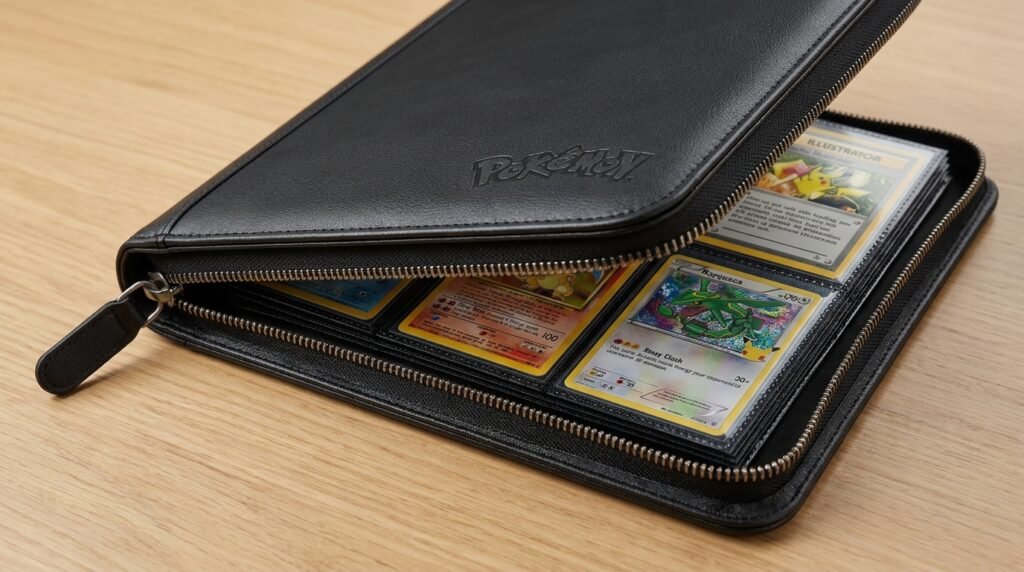
For collectors seeking the optimal storage solution for their Pokémon cards, the choice of binder hinges on several factors: the value of the collection, its size, and how frequently it will be handled or transported. For high-value, irreplaceable cards, a zippered portfolio binder with side-loading, acid-free, PVC-free pages offers superior protection against dust, spills, and accidental card slippage. This ringless design eliminates the risk of “binder dings” inherent with traditional three-ring binders. For extensive collections that demand both protection and display, a 9-pocket or 12-pocket portfolio binder is ideal, providing ample space without compromising safety. Casual collectors or those with smaller, less valuable sets might find a quality D-ring binder acceptable, provided its pages are archival-safe and cards are adequately sleeved. However, even with D-rings, vigilance is necessary to prevent page crimping. Ultimately, the best binder for your Pokémon cards will minimize environmental damage, prevent physical wear, and ensure your cherished items remain in pristine condition, preserving their aesthetic and monetary value. Comic Buying Center in Libertyville, IL, understands the nuances of protecting valuable collectibles and can offer expert advice on proper storage.
Key Takeaways
- Opt for ringless portfolio binders with side-loading pockets to prevent “binder dings” and secure cards.
- Always ensure binder pages are acid-free and PVC-free to avoid chemical degradation of your cards.
- A zippered closure provides the best defense against dust, spills, and accidental card loss, especially for portable collections.
- Prioritize individual card protection by sleeving each card before placing it into binder pockets.
- Match binder capacity (4, 9, or 12-pocket) to your collection size, ensuring pages are not overstuffed and lie flat.
Selecting the Ideal Storage for Your Pokémon Card Collection
The journey of collecting Pokémon cards extends beyond acquiring rare specimens; it involves the critical task of preserving their condition. A well-chosen binder acts as the primary defense against common forms of damage, from bent corners to surface abrasions. Deciding on the “best” binder is not a one-size-fits-all proposition; it requires an evaluation of your collection’s specific needs, your handling habits, and your budget. Collectors often underestimate the long-term impact of improper storage, only realizing the damage years later when card values could have significantly appreciated. Protecting your cards from the outset is an investment in their future value and your enjoyment.
Understanding the various binder types and their respective advantages and disadvantages is fundamental. Some binders prioritize sheer capacity, while others focus intently on archival-grade protection. The distinction often lies in subtle design choices, such as pocket orientation or closure mechanisms, which can have profound effects on card longevity. For instance, a common mistake is to store valuable cards in cheap, PVC-laden binders from office supply stores, which can chemically degrade cards over time, turning their vibrant colors into faded relics. A strategic approach to binder selection acknowledges that the container is as important as the cards it holds.
Understanding Different Pokémon Card Binder Styles and Capacities
Pokémon card binders primarily fall into two categories: traditional ring binders and modern portfolio-style albums. Each offers distinct advantages and drawbacks concerning card protection and accessibility. Ring binders, often available in 3-ring or D-ring configurations, use metal rings to hold removable pages. While they offer flexibility for rearranging or adding pages, traditional O-ring binders are widely considered detrimental for valuable cards due to the risk of “binder dings”—crescent-shaped indentations caused by cards pressing against the rings when the binder is closed. D-ring binders mitigate this risk slightly, as their flat edge allows pages to lie flatter, but the potential for damage still exists if the binder is overfilled or mishandled.
Portfolio binders, by contrast, feature pages that are permanently bound into the cover, eliminating metal rings entirely. This design provides superior safety for cards, as there is no risk of ring damage. They typically offer a fixed number of pages, meaning less flexibility for reorganization but greater peace of mind. Capacities vary widely across both styles. Common sizes include 4-pocket binders, holding around 160 cards; 9-pocket binders, which can store approximately 360 cards (when using both sides of a page); and larger 12-pocket options, accommodating up to 480 cards. According to statistics compiled from collector forums and retail data, 9-pocket portfolio binders are the most popular choice among serious collectors, balancing substantial capacity with manageable size. When selecting a capacity, remember that manufacturer specifications often assume single-sleeved cards; double-sleeved cards or thicker items will reduce the effective capacity. It is an expert recommendation never to overfill a binder; pages should turn freely and lie flat without bulging, to prevent pressure damage to the cards within.
Common Binder Capacities and Their Best Uses:
- 4-Pocket Binders: Ideal for smaller collections, specific sets, or travel. Compact and easy to transport, they are perfect for carrying a trade binder to events. They typically hold 60-160 cards.
- 9-Pocket Binders: The industry standard for most collectors. Offers a good balance of capacity and display. Excellent for comprehensive sets or growing collections, usually holding 180-360 cards.
- 12-Pocket Binders: Best for very large collections, master sets, or those aiming for fewer binders overall. These can hold 240-480 cards but can become heavy and less portable when full.
Essential Materials and Features for Optimal Card Protection
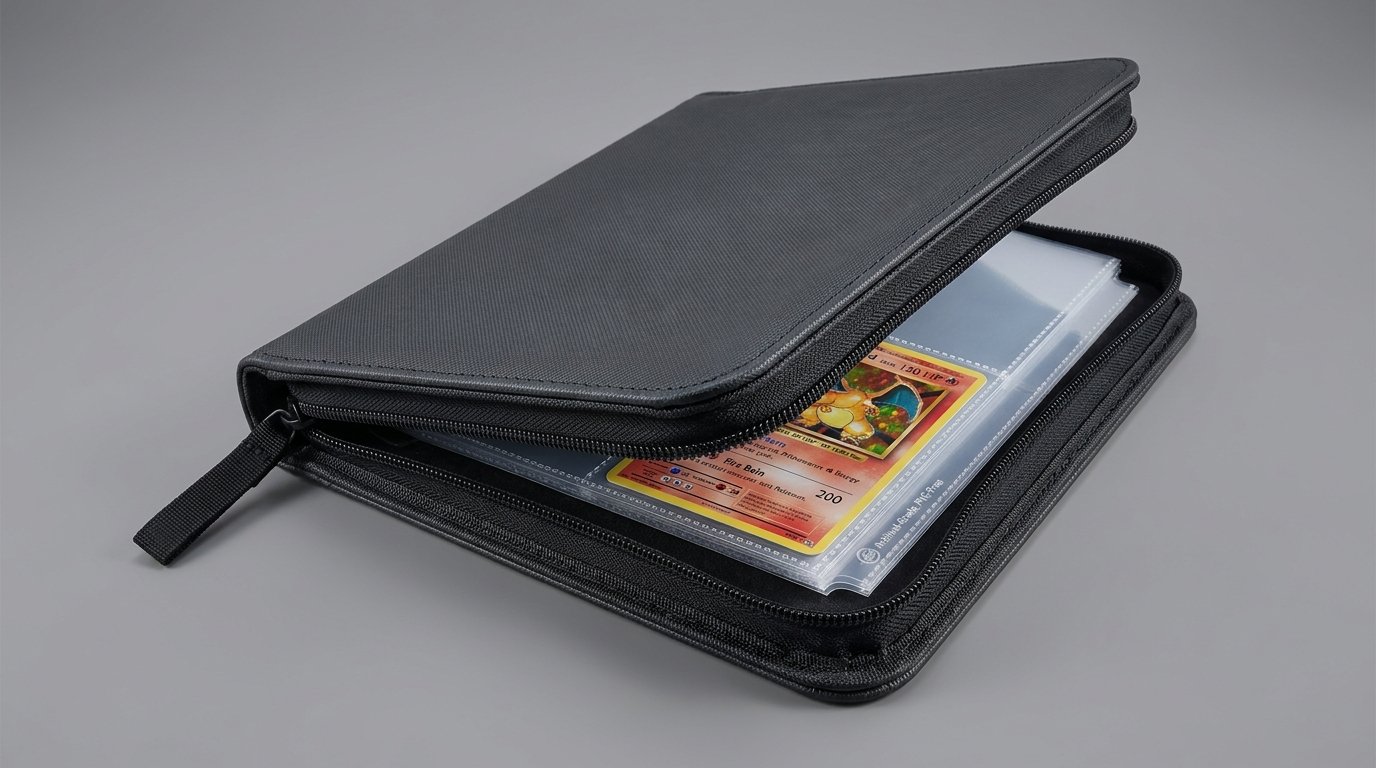
The longevity of your Pokémon card collection is heavily dependent on the materials and design features of your chosen binder. Foremost among these is the composition of the binder pages themselves. High-quality pages are explicitly labeled as “acid-free” and “PVC-free.” Polyvinyl chloride (PVC) is a notorious culprit in card degradation; over time, the plasticizers in PVC pages leach out, causing cards to stick, discolor, and potentially suffer ink transfer. This process can take anywhere from a few years to a decade, but the damage is irreversible. Acid-free polypropylene pages, on the other hand, are inert and provide a stable environment for long-term storage, preventing chemical reactions that harm your cards.
Another crucial feature is the pocket orientation. Side-loading pockets are vastly superior to top-loading ones. With side-loading pockets, cards are inserted from the side, usually towards the binder’s spine. This design naturally secures the cards, making it extremely difficult for them to slip out accidentally, even if the binder is inverted or jostled. Top-loading pockets, common in older or cheaper pages, allow cards to slide out easily, presenting a significant risk, especially during transport. A secure closure system further enhances protection. Zippered binders are the gold standard, completely enclosing the pages and cards within a protective seal. This prevents dust accumulation, offers a degree of moisture resistance, and ensures cards remain contained even if the binder is dropped. Elastic strap closures, while convenient, do not provide the same level of environmental protection or containment.
Premium binders often incorporate additional features like padded covers, which absorb impacts and prevent external pressure from damaging cards. Some pages also feature a black backing between pockets, ensuring that cards on opposite sides do not touch, reducing friction and improving visual presentation. The cost of a binder reflects these features: basic ring binders with top-loading PVC pages might range from $10-$20, while high-quality zippered portfolio binders with side-loading, acid-free pages typically range from $30-$80, with specialized archival-grade options potentially exceeding $100. Investing in a premium binder is a minor cost compared to the potential loss of value from damaged rare cards, such as a first edition Charizard that recently sold for over $550,000.
Key Features to Prioritize:
- Acid-Free, PVC-Free Pages: Essential for preventing chemical damage to your cards over time. Look for polypropylene.
- Side-Loading Pockets: Provides superior security, preventing cards from accidentally falling out.
- Zippered Closure: Offers comprehensive protection against dust, spills, and accidental card loss.
- Rigid or Padded Cover: Adds structural integrity, safeguarding cards from physical impact and bending.
Preparing Your Pokémon Cards for Binder Storage
Proper preparation before placing Pokémon cards into a binder significantly enhances their protection and preserves their condition. The most critical step is to sleeve each individual card. Sleeves act as a sacrificial layer, absorbing micro-scratches, finger oils, and minor abrasions that would otherwise affect the card’s surface. Penny sleeves, made of soft polypropylene, are a cost-effective initial layer. For more valuable cards, consider double-sleeving by placing the card first into a snug-fitting inner sleeve and then into a standard-sized outer sleeve. This method provides an extra barrier against dust and moisture, especially for cards that might be handled more frequently.
When inserting sleeved cards into binder pockets, do so gently and deliberately. Avoid forcing cards into tight pockets, as this can bend the card or warp the sleeve. Ensure the card is fully seated within the pocket, with no part exposed beyond the pocket’s edge. This prevents corner dings and minimizes exposure to environmental elements. Regularly inspect your binder and cards for any signs of wear or damage to the sleeves or pages. If a sleeve becomes scratched or creased, replace it promptly. This diligent approach to preparation and maintenance extends the life and maintains the value of your entire collection. For guidance on assessing card condition, you might refer to resources on how to get Pokémon cards graded.
- Clean Your Hands: Always handle cards with clean, dry hands to avoid transferring oils and dirt.
- Use Penny Sleeves: Insert each card into a soft, acid-free penny sleeve. This is the first line of defense.
- Consider Double Sleeving: For highly valuable cards, place the penny-sleeved card into a more rigid “deck protector” sleeve.
- Insert Gently into Pockets: Slide the sleeved card into the binder’s side-loading pocket carefully, ensuring it lies flat and is fully enclosed.
- Avoid Overstuffing: Do not force multiple cards into one pocket or exceed the binder’s recommended capacity.
- Close Securely: If your binder has a zipper, ensure it is fully closed after use to seal out dust and debris.
| Binder Type | Pros | Cons | Best For |
|---|---|---|---|
| Portfolio (Ringless) | No “binder dings,” superior card protection, often zippered, side-loading. | Fixed page count, less flexible for rearranging, generally higher cost. | High-value collections, long-term archival storage, secure transport. |
| D-Ring Binder | Flexible page addition/removal, pages lie flatter than O-rings, wide availability. | Still carries risk of ring damage, less secure closure if not zippered, pages can still warp. | Growing collections, frequent rearrangement, budget-conscious collectors with careful handling. |
| O-Ring Binder | Very flexible, inexpensive, common in office supply stores. | High risk of “binder dings,” cards can fall out of top-loading pages, pages easily bend around rings. | Only for low-value, casual collections where condition is not a priority. Not recommended for Pokémon cards. |
| Compact 4-Pocket | Highly portable, small footprint, excellent for trade binders or specific mini-sets. | Limited capacity, might require multiple binders for larger collections. | Event trading, travel, display of small curated sets. |
Maintaining Your Pokémon Card Binder Collection
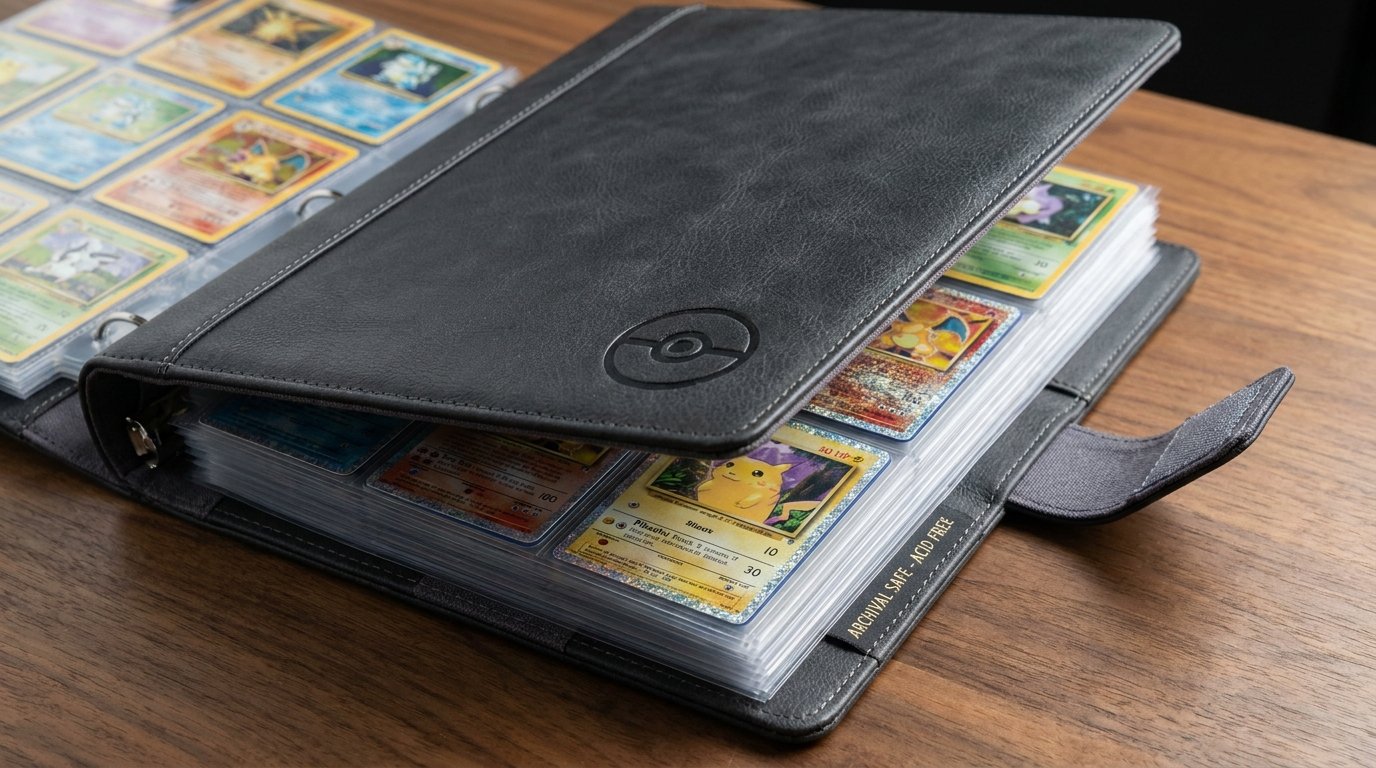
Maintaining your Pokémon card binders and the cards within them is an ongoing process that extends their lifespan and preserves their value. The physical environment where binders are stored plays a significant role. Always keep binders upright on a shelf or in a storage box, rather than stacked horizontally, which can put undue pressure on the cards. Store them away from direct sunlight, which can cause colors to fade and pages to yellow over time. Similarly, avoid extreme temperature fluctuations and high humidity. Experts recommend maintaining relative humidity levels between 35% and 50%; humidity levels consistently above 60% can lead to card warping, mold growth, and adhesive deterioration.
Regularly inspect your binders for signs of wear and tear, such as loose stitching, failing zippers, or pages becoming brittle. Replace damaged components or transfer cards to a new binder if necessary. Periodically remove cards from their pockets to check for any hidden damage, such as minor bends or print imperfections that may have developed. This vigilance is particularly important for cards you might consider selling. For those looking to part with their collection, understanding the market is key, and you can always visit Comic Buying Center in Libertyville, IL, to sell Pokémon cards and other collectibles, where professionals offer fair appraisals and a streamlined selling process.
Finally, handle your binders with care. Avoid dropping them or tossing them around, as even the most robust binder can only withstand so much impact. When opening and closing, do so gently. For ring binders, ensure the rings are properly aligned before closing to prevent pages from catching. For zippered binders, avoid overfilling, which can strain the zipper and put excessive pressure on the cards. By following these simple maintenance practices, your Pokémon card collection will remain a source of pride and potential value for years to come.
FAQ
What features should I prioritize in a Pokémon card binder for maximum protection?
For maximum protection, prioritize binders with side-loading pockets to prevent cards from slipping out, pages made from acid-free and PVC-free materials to avoid chemical damage, and a zippered closure to shield against dust, spills, and accidental loss. A ringless portfolio design is also highly recommended to eliminate the risk of “binder dings.”
Are 3-ring binders safe for storing valuable Pokémon cards?
Traditional 3-ring (O-ring) binders are generally not recommended for valuable Pokémon cards due to the high risk of “binder dings”—indentations caused by the metal rings pressing against cards or pages. While D-ring binders offer a slight improvement, ringless portfolio binders are superior for protecting high-value cards from physical damage.
How many cards can a typical Pokémon binder hold?
The capacity of a Pokémon binder varies significantly by its design. A compact 4-pocket binder typically holds around 60-160 cards, a standard 9-pocket binder can accommodate 180-360 cards, and larger 12-pocket binders might hold 240-480 cards, assuming single-sleeved cards are stored on both sides of each page.
Why is it important for binder pages to be “acid-free” and “PVC-free”?
Acid-free and PVC-free pages are crucial because both acid and PVC can chemically react with and degrade your cards over time. PVC contains plasticizers that can leach out, causing cards to become sticky, discolored, or suffer ink transfer. Acid-free polypropylene pages are inert, providing a stable, archival-safe environment that preserves your cards’ condition and value.
Should I sleeve my Pokémon cards before putting them in a binder?
Yes, always sleeve your Pokémon cards before placing them in a binder. Sleeves provide a vital protective layer against scratches, dust, and natural oils from your fingers. For added security, especially for valuable cards, consider double-sleeving them before inserting them into binder pockets.
When should I consider a zippered binder over one with an elastic strap?
A zippered binder is ideal when maximum security and protection against environmental factors are desired. The zipper completely encloses the binder, providing superior defense against dust, spills, and accidental card loss, making it particularly suitable for collections that are frequently transported or stored in less controlled environments.