
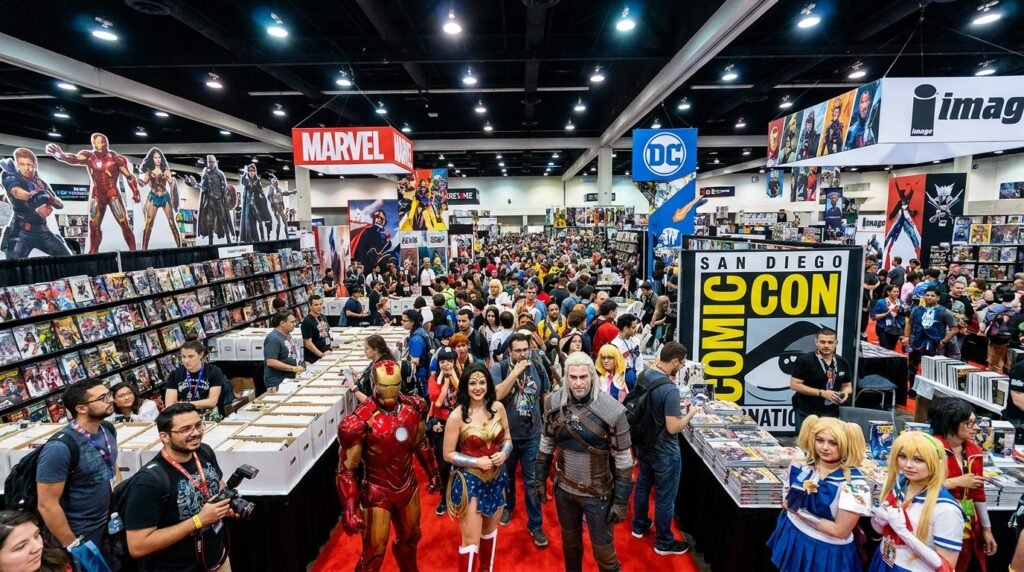
Navigating the vibrant landscape of comic book conventions requires understanding their diverse nature and aligning your objectives with the right event. For individuals primarily seeking to liquidate a smaller, curated collection or test market interest, local or regional comic conventions offer a manageable entry point with lower overhead and a more intimate setting. These events are ideal for learning the rhythm of convention sales and connecting with a local collector base without the intense competition of larger shows. Conversely, for established dealers, industry professionals, or those with rare, high-value items, major national events like San Diego Comic-Con or New York Comic Con provide unparalleled exposure to a vast, dedicated audience, though they demand significant investment in booth space, logistics, and inventory. However, if your primary goal is a swift, fair appraisal and a secure, hassle-free sale of comic books, sports cards, Magic cards, video games, or vintage toys, visiting a professional buyer like Comic Buying Center in Libertyville, IL, offers a streamlined alternative, bypassing the complexities and costs associated with convention attendance while still securing competitive prices for your collectibles.
Key Takeaways
- Choose conventions strategically based on your selling goals, collection size, and budget; smaller shows are ideal for beginners, while major events suit established vendors.
- Thorough preparation, including early booth booking, meticulous inventory organization, and a clear pricing strategy, is crucial for a successful convention experience.
- Emphasize visual appeal, secure payment processing, and robust security measures to attract buyers and protect valuable items.
- Actively engage with the convention community beyond just sales, leveraging networking opportunities and participating in events.
- For immediate, hassle-free sales or appraisals without the convention overhead, consider a direct approach to professional buyers like Comic Buying Center.
Understanding the Landscape of Comic Book Conventions
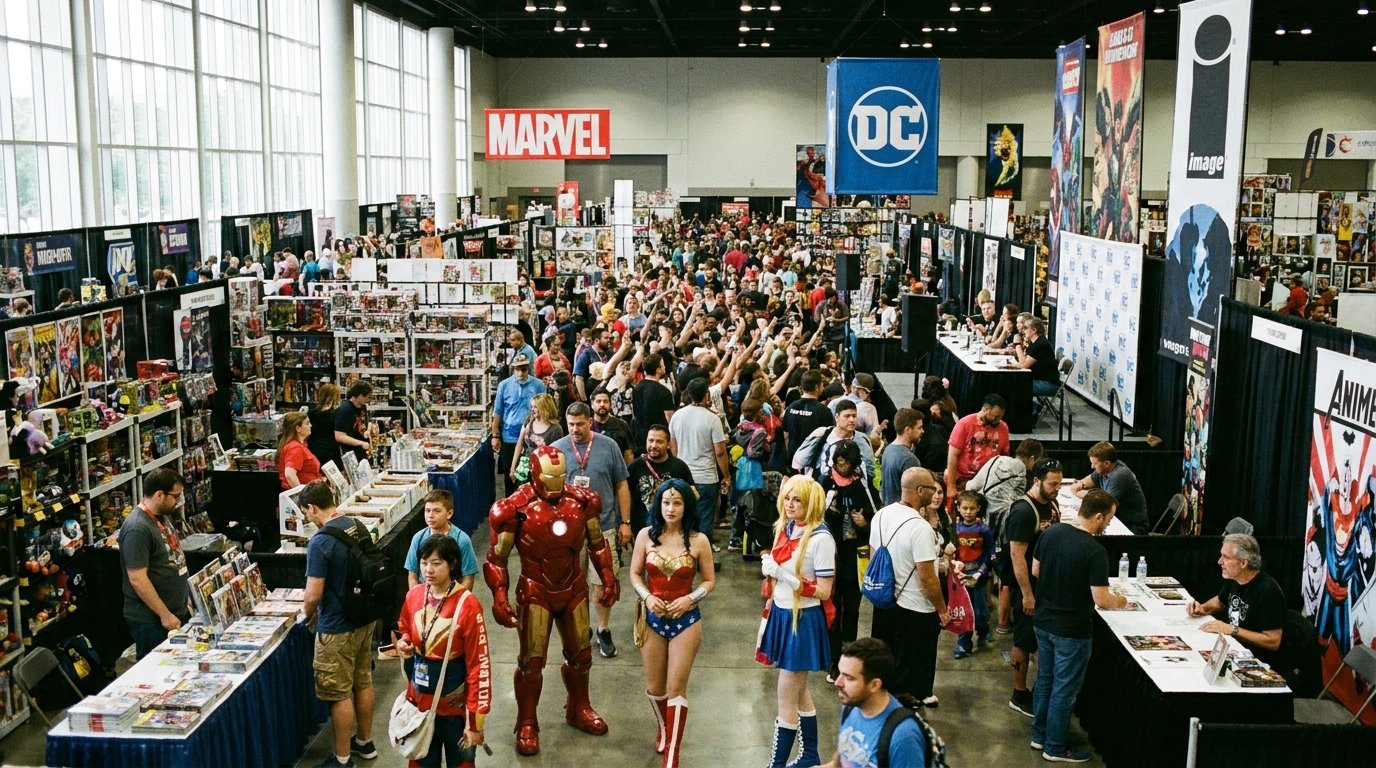
Comic book conventions serve as dynamic hubs where enthusiasts, creators, and vendors converge to celebrate the rich tapestry of sequential art and pop culture. These gatherings provide a unique marketplace, a platform for artistic expression, and a community space for shared passion. While many attend primarily for exclusive releases, creator signings, or cosplay, a significant segment, including professional dealers and individual collectors, views conventions as prime venues for buying and selling rare and sought-after items.
The scale of these events varies dramatically, from intimate local gatherings held in community centers to sprawling international spectacles attracting hundreds of thousands. Understanding this spectrum is critical for anyone considering participating, especially as a seller. Each type of convention presents distinct advantages and challenges in terms of audience, competition, and logistical demands. An expert recommendation for new sellers is to not treat a convention purely as a transactional venue; it is a community event. Focusing solely on immediate sales risks missing invaluable networking opportunities with fellow collectors, industry insiders, and even future customers who might not purchase on the spot but remember a positive interaction.
Navigating the Biggest Comic Conventions in the US
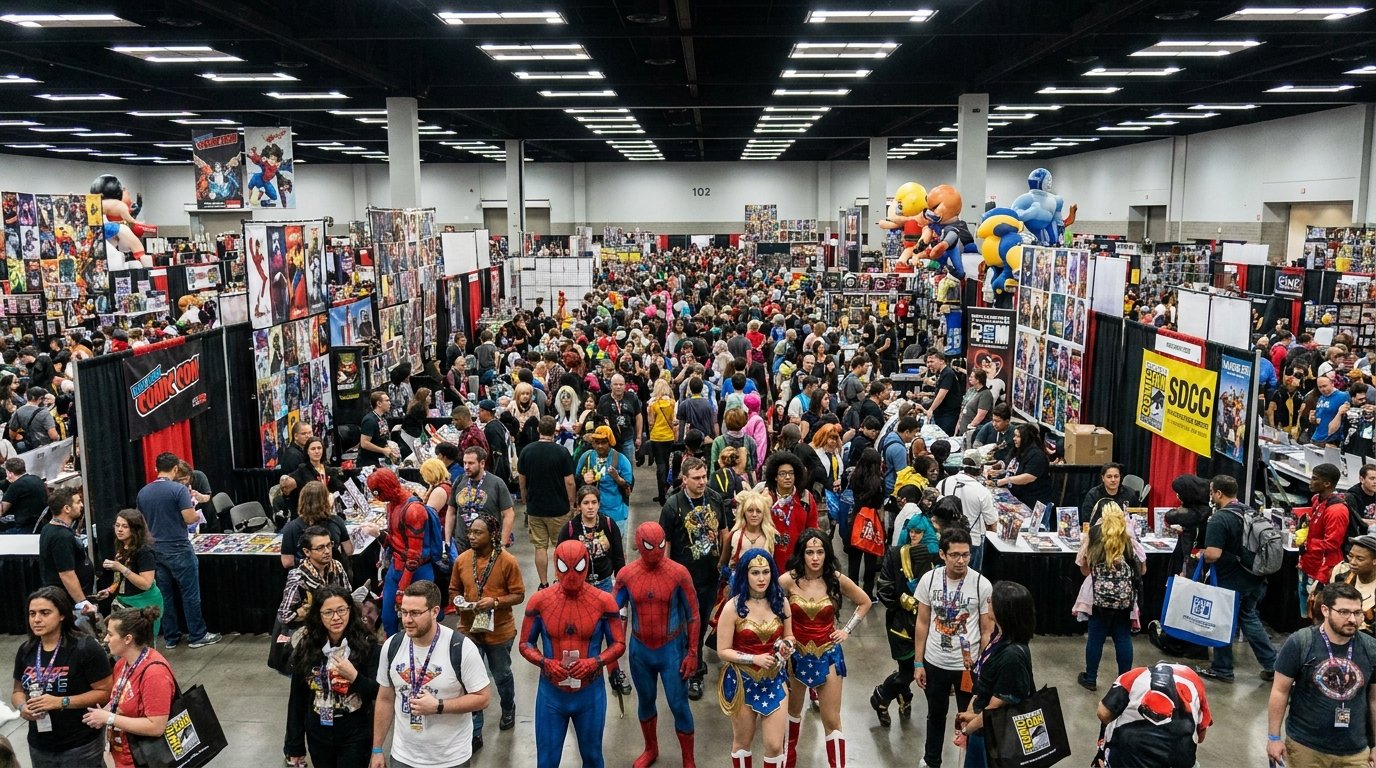
The United States hosts some of the world’s most iconic and influential comic book conventions, drawing massive crowds and industry attention. These large-scale events offer unparalleled visibility for sellers but also come with substantial commitments and intense competition.
San Diego Comic-Con International (SDCC) stands as the undisputed titan, attracting over 130,000 attendees annually and serving as a global epicenter for pop culture news, exclusive previews, and creator appearances. Its immense size means a vast potential customer base, but securing a vendor booth is highly competitive and expensive, often costing thousands of dollars, excluding travel and accommodation. For example, a small artist’s alley table can start around $500, while larger vendor booths can easily exceed $5,000 for the event, according to various convention exhibitor guides.
New York Comic Con (NYCC) on the East Coast mirrors SDCC’s scale and prestige, consistently drawing over 200,000 attendees to the Javits Center. It offers similar opportunities and challenges for sellers, with a strong focus on comic books, graphic novels, and related media. Other significant regional giants include Emerald City Comic Con (ECCC) in Seattle and C2E2 in Chicago. While these might be slightly smaller than SDCC or NYCC, they still attract tens of thousands of dedicated fans and provide substantial selling opportunities within a slightly more accessible framework.
Participating in these premier events requires meticulous planning, a robust inventory, and a clear strategy to stand out amidst hundreds of other vendors. The costs associated with securing a prime location, shipping inventory, and staffing a booth mean that only sellers with a substantial collection, a strong brand presence, and a clear understanding of the market will likely see a significant return on investment.
Preparing for Upcoming Comic Book Conventions: A Seller’s Guide
Successfully selling at upcoming comic book conventions demands careful planning and execution, from selecting the right event to managing your booth space effectively.
Choosing the Right Convention for Your Inventory
The first step involves evaluating the convention’s size, focus, and target audience. Smaller, local shows might be perfect for selling bulk lots or less valuable inventory, whereas large national events are better suited for high-grade key issues or rare collectibles. Researching past attendee demographics and exhibitor lists can provide insight into whether your specific comic book offerings will resonate. For instance, an independent comics-focused show might not be the best venue for selling vintage Silver Age Marvel keys, and vice-versa.
Securing Your Space and Setting Up
Once you select a convention, book your vendor space as early as possible. Prime locations, such as corner booths or those near high-traffic areas, sell out quickly. Booth costs vary significantly; a single table at a local show might be $50-$200, while a professional booth at a major convention can range from $1,000 to $5,000 or more for the weekend. According to a 2023 exhibitor survey by Convention Data Services, early bird registrations for booth space typically offer a 10-15% discount, underscoring the benefit of proactive booking.
Your booth setup is your storefront. Invest in professional displays, shelving, and lighting to make your items stand out. Consider branding elements like banners or tablecloths that clearly identify your business. Remember to adhere strictly to the convention’s rules regarding booth dimensions, signage, and any electrical limitations.
Inventory Management and Pricing Strategy
Efficient inventory management is paramount. Categorize your comics clearly by publisher, title, era, or value. Many successful sellers use digital inventory systems on tablets, which allow for quick searches and real-time tracking of sales. This not only streamlines transactions but also helps you assess what’s selling well. Knowing your comic book prices beforehand is crucial; decide which items have firm prices and which are open to negotiation. For comics already graded, clearly display the grade. For ungraded books, be prepared to discuss condition transparently with potential buyers.
For individuals looking to sell valuable items like an expensive Pokémon card or rare comic book, consider preparing a brief, compelling narrative about its provenance or significance. This can add perceived value and engage buyers more effectively. Additionally, ensure you have a mix of inventory, from lower-priced “reader” copies to high-value “key” issues, to appeal to a broad spectrum of attendees.
Ensuring Smooth Transactions and Security
Making the purchase process easy is vital. Modern convention-goers expect multiple payment options. Invest in a mobile point-of-sale (POS) system like Square or PayPal Here, which accepts credit/debit cards via a smartphone or tablet. Always have cash on hand for change and as a backup in case of internet or cellular signal issues. A 2022 survey by NerdWallet found that 45% of small businesses utilize mobile POS systems for in-person transactions, highlighting their widespread adoption and convenience.
Security is a primary concern, especially when handling valuable collectibles. Keep high-value comics in secure, visible display cases, or within arm’s reach. Never leave your booth unattended, even for a moment; if you need a break, ask a trusted neighbor or convention staff member to watch your space. Be vigilant for distraction techniques used by thieves. Carrying insurance for your inventory, especially for high-value items, is also a prudent measure.
Maximizing Your Experience: Beyond Selling at Conventions of Comics
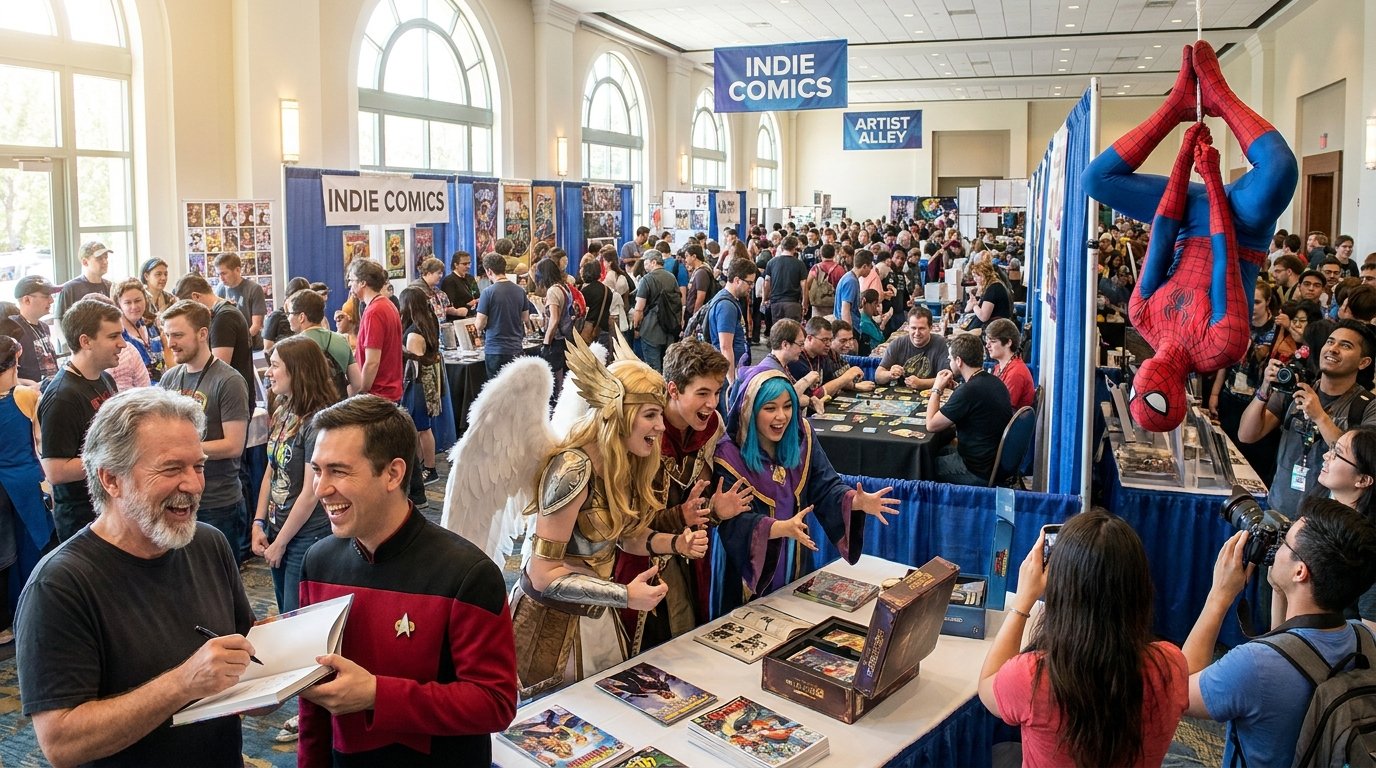
While selling is a core aspect for many, the true value of conventions of comics often extends far beyond direct transactions. These events are unique cultural phenomena, offering myriad opportunities for engagement and growth.
Networking and Community Building
Conventions are unparalleled networking environments. Engage with fellow collectors, comic shop owners, and even creators. These interactions can lead to new friendships, valuable trade connections, and insights into market trends. Many attendees come specifically to meet their favorite artists and writers, making creator alleys a vibrant hub of activity. Establishing a presence and positive reputation at these events can lead to long-term customer relationships, referrals, and even future collaboration opportunities.
Attending panels, workshops, and Q&A sessions provides direct access to industry knowledge. Learning about new publishing initiatives, grading standards, or collecting strategies can enhance your expertise and passion. For example, understanding current trends in card collecting, such as what makes a Pokemon card valuable, can inform your buying and selling decisions.
Discovering Exclusive Content and Appraisals
Many conventions feature exclusive merchandise, variant covers, and early access to new releases that can become highly sought-after. Attending these events allows collectors to acquire items that appreciate in value or become significant additions to their personal collections. Additionally, many vendors, or sometimes dedicated appraisal booths, offer informal valuations of comics or other collectibles. While these informal appraisals are not legally binding, they can provide a good gauge of current market interest and potential value. For a certified and transparent appraisal, however, a dedicated professional service remains the optimal choice.
The Social and Cultural Fabric
Conventions are also about celebrating fandom. The cosplay community, the excitement of new announcements, and the shared camaraderie create an electric atmosphere. Participating in these aspects, even casually, enhances the overall experience and integrates you deeper into the community. It’s a chance to share your passion, discover new interests, and reconnect with the origins of your collecting journey.
The Evolving Landscape of Collectibles: From Comics to Cards and Beyond
The world of collectibles at conventions has expanded far beyond just traditional comic books, reflecting a broader interest in pop culture artifacts. Today’s events frequently feature extensive sections dedicated to sports cards, Magic: The Gathering cards, Pokémon cards, video games, and vintage toys.
This diversification means that sellers and buyers alike must be aware of trends across multiple collecting categories. A convention might attract a significant number of trading card game enthusiasts looking for rare Magic cards or that elusive 1st Edition Charizard. Similarly, the growing retro gaming market brings collectors seeking vintage cartridges and consoles. This broader appeal enriches the convention experience but also demands that sellers diversify their knowledge and, potentially, their inventory.
For those looking to sell such varied collections, understanding the specific grading standards for different items is crucial. Comic books have specific grading scales, as do sports and Pokémon cards. Professional grading services, like CGC for comics or PSA/BGS for cards, significantly impact value. The global collectibles market, encompassing cards, comics, and other memorabilia, was valued at over $400 billion in 2022 and is projected to reach over $600 billion by 2030, according to Statista market analysis, highlighting the economic significance of these items.
When preparing a diverse collection for sale at a convention or through a professional buyer, follow these essential steps:
- Sort and Categorize: Separate items by type (comics, sports cards, video games, toys), then further by publisher, set, or franchise.
- Assess Condition: Roughly evaluate the condition of each item. This helps in initial pricing and identifying potential grading candidates. For comics, look for tears, creases, spine wear, and tanning. For cards, check corners, edges, surface, and centering.
- Research Value: Consult online price guides, recent auction results, and reputable collector forums to get a preliminary understanding of your items’ worth.
- Organize for Presentation: Place comics in bags and boards, cards in penny sleeves and toploaders. Ensure items are clean and free of dust.
- Document Key Details: Keep a running list of significant items, including any notable flaws, editions, or variations. This documentation streamlines the appraisal process.
Ultimately, whether focusing on comics or expanding into other collectibles, expertise and careful preparation remain the cornerstones of successful convention participation.
Comparison of Convention Types for Sellers
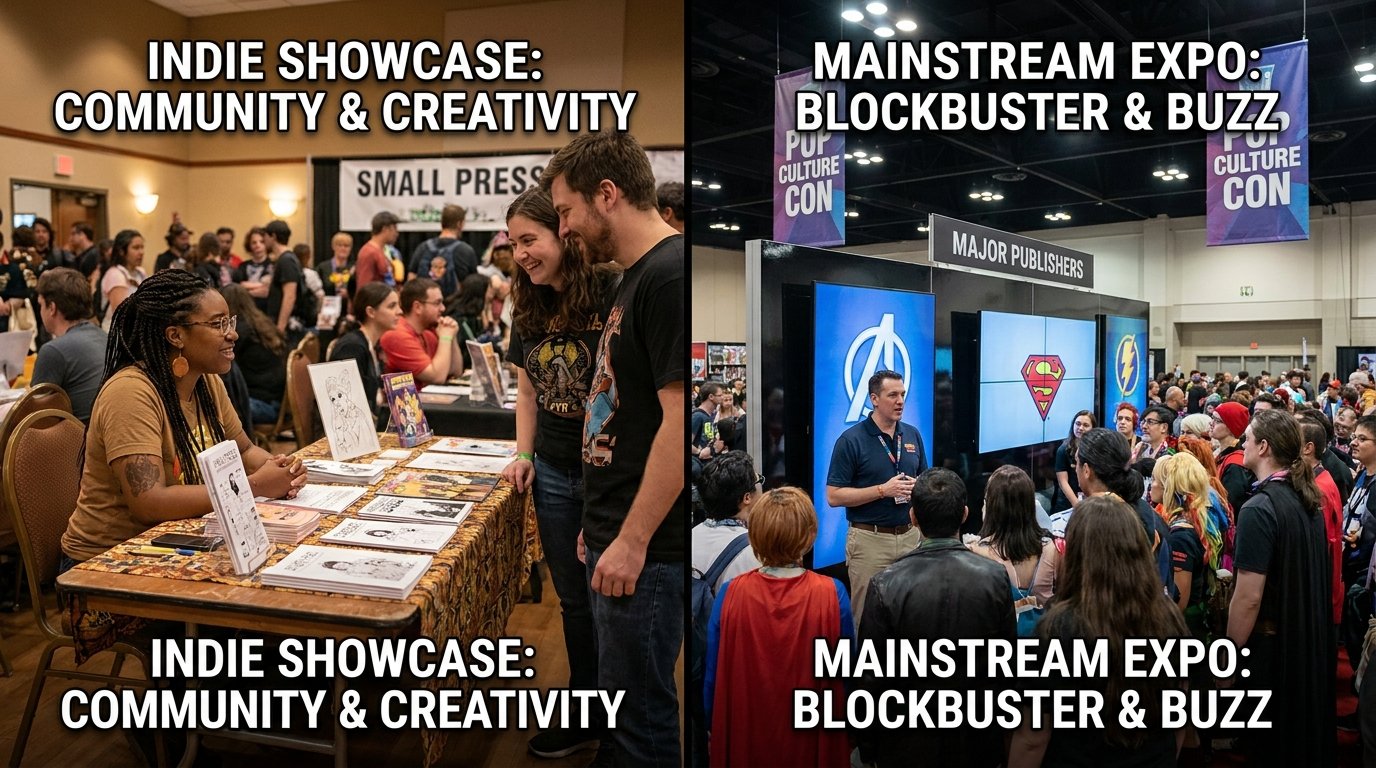
| Feature | Large National Convention (e.g., SDCC, NYCC) | Small Regional Convention (e.g., Local Comic Con, Indie Fest) |
|---|---|---|
| Cost (Booth & Logistics) | High ($1,000s for booth, significant travel/lodging) | Low ($50-$500 for booth, minimal travel) |
| Audience Size & Reach | Very Large (100,000+ attendees), national/international reach | Small to Medium (Hundreds to a few thousand attendees), local/regional reach |
| Competition | Very High (Hundreds of vendors, including major retailers) | Moderate (Fewer vendors, more opportunities to stand out) |
| Sales Potential | High (Potentially large volume, high-value sales) | Moderate (Steady sales, good for liquidating mid-range inventory) |
| Networking Opportunity | Excellent (Industry pros, creators, vast collector base) | Good (Local community, smaller networks, direct engagement) |
| Logistical Complexity | Very High (Shipping, setup crews, extensive planning) | Low (Self-transport, simple setup, easier coordination) |
| Best For | Established businesses, rare/high-value inventory, brand building | New sellers, testing market, moving mid-tier inventory, community engagement |
FAQ
What is the biggest comic convention in the US?
San Diego Comic-Con International (SDCC) is widely recognized as the largest and most influential comic book convention in the United States, attracting over 130,000 attendees annually and serving as a major hub for pop culture, entertainment, and comic book news.
How much does it cost to attend a comic convention?
The cost to attend a comic convention varies significantly by size. A day pass for a small local convention might be $10-$25, while multi-day passes for major conventions like SDCC or NYCC can range from $100-$300, often selling out quickly.
Which comic conventions are best for selling?
For new or independent sellers, smaller regional conventions are often best due to lower booth costs and less competition. Established dealers with high-value inventory may prefer major conventions like San Diego Comic-Con or New York Comic Con for their large audiences and potential for high-volume sales.
When are upcoming comic conventions usually announced?
Dates for major upcoming comic conventions are often announced a year in advance, with ticket sales and exhibitor applications opening several months prior. Smaller, local conventions typically announce their schedules a few months to half a year beforehand.
Is it worth bringing comics to a convention for an appraisal?
Bringing comics to a convention can provide informal appraisals from vendors or dedicated experts, offering a general idea of value and market interest. However, for formal, certified appraisals, it is often more reliable and secure to consult a professional appraisal service or local expert buyer directly.
Can I sell ungraded comics at a convention?
Yes, you can absolutely sell ungraded comics at a convention. Many buyers are looking for raw comics to read, complete runs, or even grade themselves. Be transparent about condition, and be prepared to discuss details with interested buyers, as ungraded comics often command lower prices than professionally graded counterparts.