
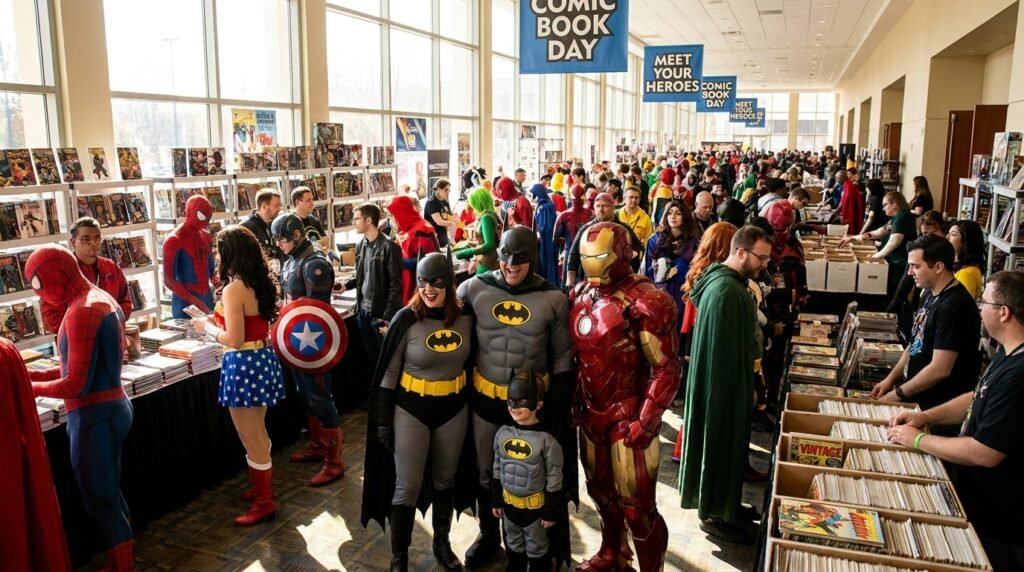
For enthusiasts and casual readers alike, ‘Comic Book Day’ often refers to two distinct but equally significant annual celebrations within the world of sequential art. On September 25th, National Comic Book Day in the United States honors the rich history, diverse artistry, and enduring cultural impact of comic books, encouraging reflection and appreciation for the medium itself. Conversely, Free Comic Book Day, typically held on the first Saturday of May, serves as a nationwide outreach event where participating comic shops distribute free comics to attract new readers and celebrate existing fandoms. To truly engage with comic book culture, it is recommended to participate in both: utilize National Comic Book Day to delve into the historical significance and artistry, perhaps by revisiting a classic series or exploring a new genre, and mark Free Comic Book Day to discover new titles, support local comic book stores, and experience the communal joy of collecting. Whether you are seeking to understand the legacy of iconic heroes, curious about the market value of your collection, or simply looking for your next captivating read, these days provide prime opportunities to connect with the vibrant world of comics.
Key Takeaways
- National Comic Book Day (September 25th) celebrates the history and artistry of comics, while Free Comic Book Day (first Saturday in May) focuses on introducing new readers through free issues.
- Local Comic Shops (LCS) are central to both celebrations, offering a community hub for discovery, expert advice, and unique finds.
- Understanding comic book history, from the Golden Age to modern independent titles, enriches the reading experience and appreciation for the medium.
- The value of a comic book is determined by factors like rarity, condition, and historical significance, often requiring professional appraisal for accurate assessment.
- Participating in Comic Book Day events can reignite passion for collecting, facilitate discovery of new artists and stories, and connect individuals with a broader community of enthusiasts.
Understanding Comic Book Day: National vs. Free Comic Book Day
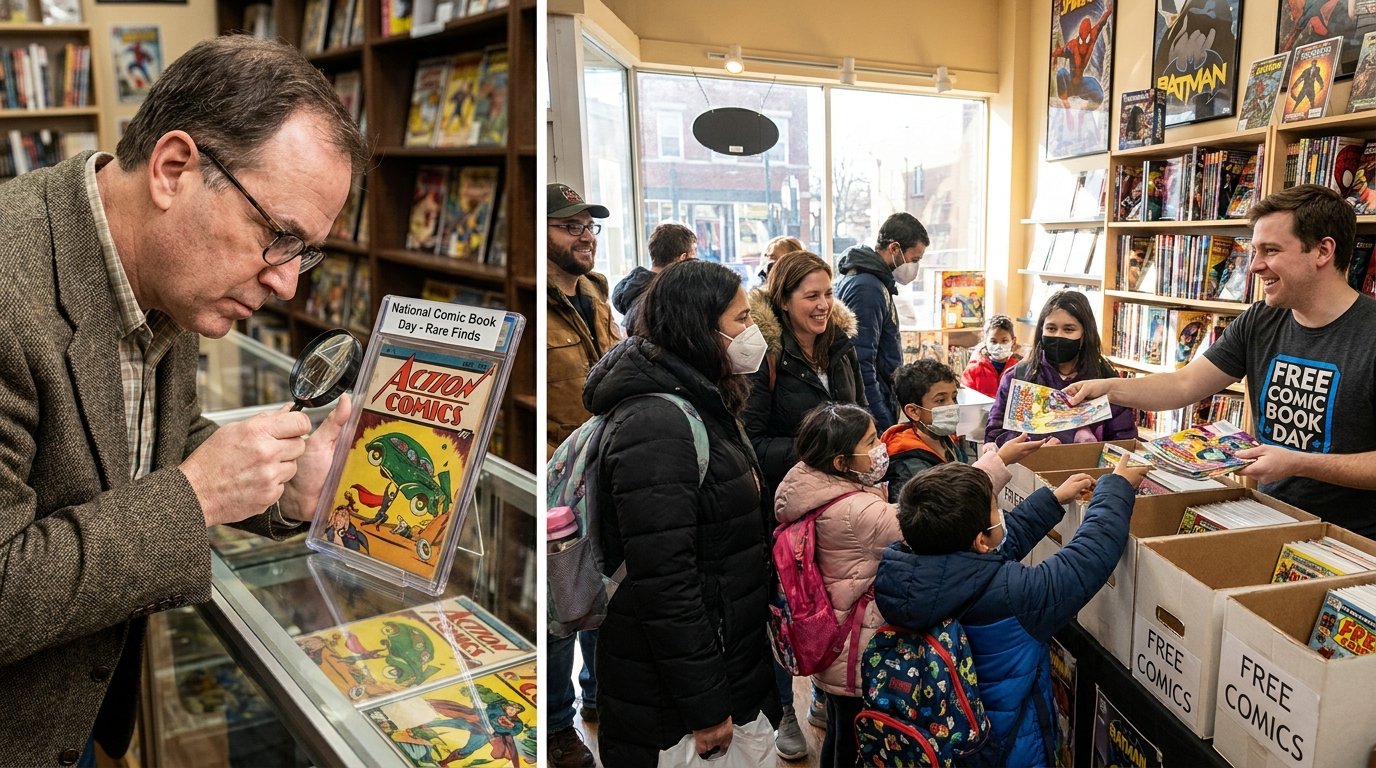
The term ‘Comic Book Day’ often encapsulates two distinct events, each with its unique focus and traditions, creating a vibrant calendar for comic enthusiasts. National Comic Book Day, observed annually on September 25th, serves as a reflective celebration of the entire comic book medium. This day is dedicated to acknowledging the profound impact comics have had on storytelling, art, and popular culture since their inception. It’s a time for fans to appreciate the creative genius behind beloved characters and narratives, encouraging a deeper dive into the historical milestones, artistic evolutions, and diverse genres that define comic books. There are no specific organized events or free giveaways tied to this date by publishers or retailers; rather, it’s an informal occasion for personal reflection, re-reading cherished issues, or exploring new facets of the industry.
In contrast, Free Comic Book Day (FCBD) is a globally recognized event that typically takes place on the first Saturday of May each year. This initiative is a promotional cornerstone for the comic book industry, designed to attract new readers and thank loyal customers. Participating comic book stores across the world offer a selection of specially printed free comic books, often featuring introductory issues, previews of upcoming series, or reprints of popular titles. FCBD is characterized by lively in-store events, creator signings, cosplay, and a palpable sense of community, making it an excellent opportunity for both seasoned collectors and curious newcomers to engage with their local comic shop and discover new stories. This event alone has been instrumental in drawing millions of new readers into comic book stores since its inception in 2002, highlighting its crucial role in the industry’s sustained growth and accessibility.
While both days celebrate comic books, their distinct focuses offer different avenues for engagement. National Comic Book Day on September 25th is about introspection and appreciation for the art form, allowing individuals to revisit their personal histories with comics or explore the broader narrative of the industry. Free Comic Book Day, on the first Saturday of May, is an active, communal celebration designed to expand the readership, stimulate sales at local shops, and provide a direct gateway for anyone to pick up a comic, often for the very first time. Understanding this distinction is key to fully participating in the annual rhythm of comic book appreciation.
The Rich History of Comic Books: From Strips to Superheroes
Comic books boast a storied history that traces back much further than the caped crusaders of the Golden Age, evolving from simple sequential art to a complex narrative medium. The earliest known precursor to modern comics is often cited as Rodolphe Töpffer’s 1837 work, The Adventures of Mr. Obadiah Oldbuck, a series of illustrated narratives with captions, which was later reprinted in the United States in the 1840s. This early form demonstrated the universal appeal of telling stories through pictures and text. By the late 19th century, newspaper comic strips like Richard F. Outcault’s The Yellow Kid (debuting in 1895) became immensely popular, laying the groundwork for the format and audience recognition that would characterize early comic books. These strips, often humorous, were eventually collected and reprinted, leading to the creation of the first true comic books.
The 1930s marked the dawn of the American comic book industry as we know it. In 1933, Famous Funnies #1, a collection of reprinted newspaper strips, is widely considered the first modern comic book, establishing the standard size and format. However, the true revolution began in 1938 with the debut of Superman in Action Comics #1. This watershed moment ushered in the Golden Age of Comic Books, giving birth to the superhero genre and transforming comics into a mass medium. Characters like Batman (1939), Wonder Woman (1941), and Captain America (1941) quickly followed, captivating audiences during wartime and beyond. These heroes not only provided escapism but also reflected national ideals and anxieties, with many issues serving as powerful propaganda during World War II.
Following the Golden Age’s patriotic fervor, the 1950s presented a period of significant challenge and transformation for the comic book industry. As comics diversified into genres like horror, crime, and romance, a moral panic emerged, fueled by figures like Dr. Fredric Wertham whose influential book, Seduction of the Innocent (1954), controversially linked comic book reading to juvenile delinquency. This backlash led to U.S. Senate hearings and the subsequent formation of the Comics Code Authority (CCA) in 1954, a self-censorship body that imposed stringent content restrictions. The CCA dramatically altered the landscape, forcing many publishers to cease production of certain genres and leading to a decline in overall sales and creative freedom. Despite these challenges, the groundwork was being laid for a resurgence.
The 1960s saw the emergence of the Silver Age, primarily driven by Marvel Comics under the creative leadership of Stan Lee, Jack Kirby, and Steve Ditko. This era introduced a new breed of superheroes with relatable flaws and complex inner lives, such as Spider-Man, the Fantastic Four, the X-Men, and the Avengers. These characters resonated deeply with a generation grappling with social change, pushing the boundaries of what superhero narratives could explore. The subsequent Bronze Age (1970s-early 1980s) further expanded thematic complexity, tackling relevant social issues like drug abuse, racism, and urban decay, while the Modern Age (mid-1980s to present) embraced darker, more adult themes and revolutionized storytelling with groundbreaking works like Watchmen and The Dark Knight Returns. Today, comic books continue to innovate, with diverse creators, genres, and digital formats ensuring their ongoing relevance and cultural impact, captivating millions worldwide with their blend of stunning visuals and compelling narratives.
Celebrating Comic Book Culture: Engaging with the Medium
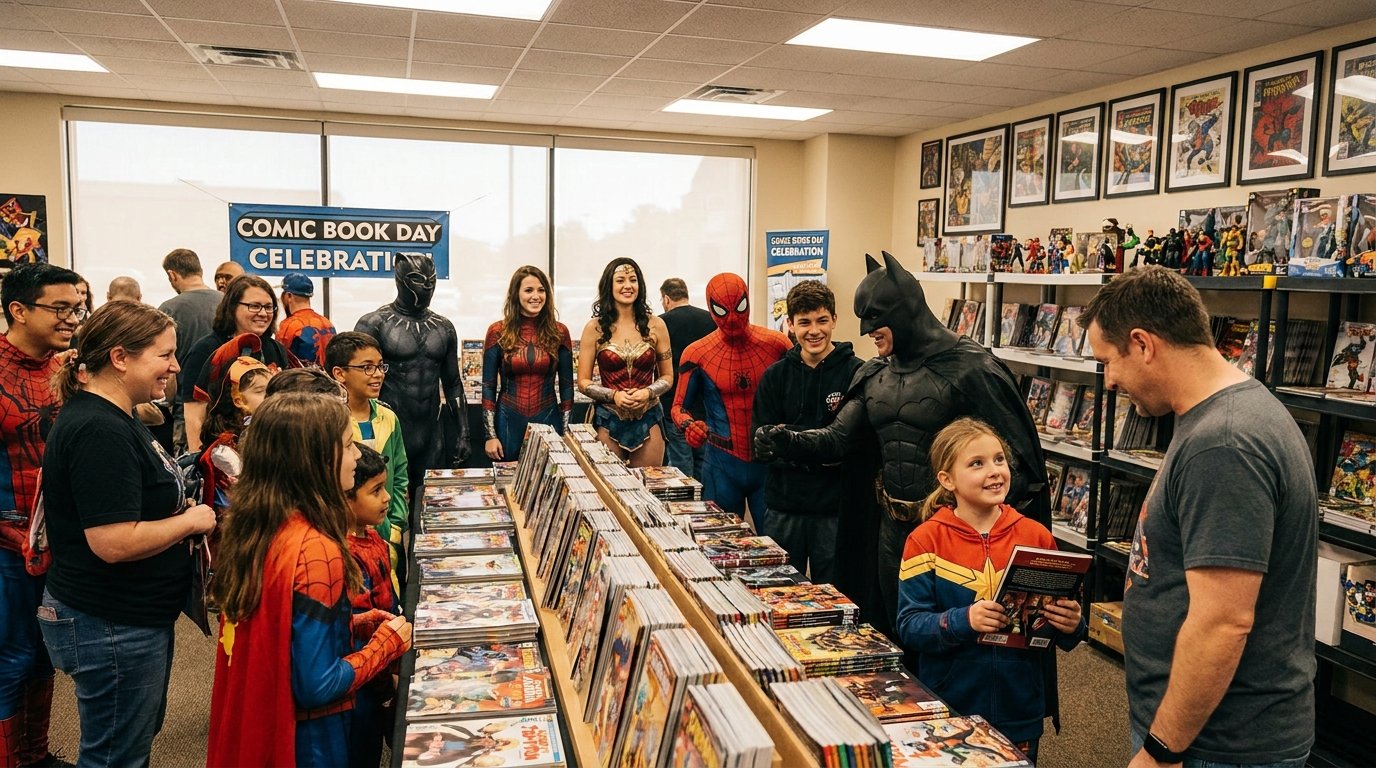
Engaging with comic book culture offers a multitude of pathways, whether you are a lifelong fan or new to the vibrant world of sequential art. One of the most fulfilling ways to celebrate is by visiting your local comic shop (LCS), which serves as a vital community hub for collectors and readers. These establishments are more than just retail spaces; they are centers of knowledge, where experienced staff can offer personalized recommendations, introduce you to new artists, or help you track down a specific issue. Many LCSs organize special events, particularly around Free Comic Book Day, featuring artist signings, sales, and community gatherings, fostering a direct connection between fans and the creators they admire. Exploring the shelves of an LCS often uncovers hidden gems, from independent titles to vintage classics, providing a tactile experience that online shopping cannot replicate.
Beyond browsing, diving into the actual reading and discovery of new series is paramount to celebrating the medium. The comic book landscape is incredibly diverse, extending far beyond the mainstream superhero narratives. Exploring graphic novels from various genres—fantasy, sci-fi, horror, romance, biography, or even educational comics—can broaden your appreciation for the storytelling potential of sequential art. Websites like Comixology, Webtoons, and various publisher platforms offer digital access to thousands of titles, allowing for convenient exploration. For those interested in the historical significance or potential value of their own collections, researching specific issues and eras can be highly rewarding. Understanding the context of a comic’s publication, its creator, and its impact on the industry can reveal layers of appreciation beyond the initial story. Platforms like the Comic Book Price Guide are invaluable resources for this research, providing insights into market trends and rare finds.
Attending comic conventions, whether large-scale international events or smaller local gatherings, represents another significant way to immerse yourself in comic book culture. These conventions bring together creators, publishers, retailers, and fans, offering opportunities for panels, Q&As, portfolio reviews, and exclusive merchandise. Meeting a favorite artist or writer, discovering independent artists in Artists’ Alley, or simply witnessing the creativity of cosplayers enriches the experience of being part of a larger fandom. Even if in-person attendance isn’t possible, many conventions now offer virtual programming, allowing global participation. For those with a creative inclination, celebrating comic book day can extend to creating your own sequential art. Numerous online tutorials and workshops exist to guide aspiring artists and writers through the process of developing characters, crafting narratives, and bringing their own comic book visions to life, contributing to the ongoing evolution of the medium.
Recommended Ways to Celebrate Comic Book Day
There are numerous ways to engage with the spirit of comic book day, catering to different interests and levels of involvement.
- Visit a Local Comic Shop: Support independent retailers, discover new titles, and connect with fellow enthusiasts. Many shops offer special deals or events on relevant days.
- Read a New or Classic Comic: Challenge yourself to read a genre you haven’t explored before, or revisit a seminal work that shaped the industry.
- Explore the History of Comics: Research the origins of your favorite characters or delve into a particular era, understanding the cultural context of their creation.
- Organize Your Collection: Take time to sort, bag, and board your comics, ensuring their preservation. This is also an opportunity to identify any issues you might want to get appraised.
- Attend a Virtual Panel or Event: Many creators and publishers host online discussions or workshops that offer insights into the craft of comic book creation.
- Introduce Someone New to Comics: Share your passion by recommending a comic to a friend or family member, potentially sparking a new interest.
The Value of Comic Books: Beyond Entertainment
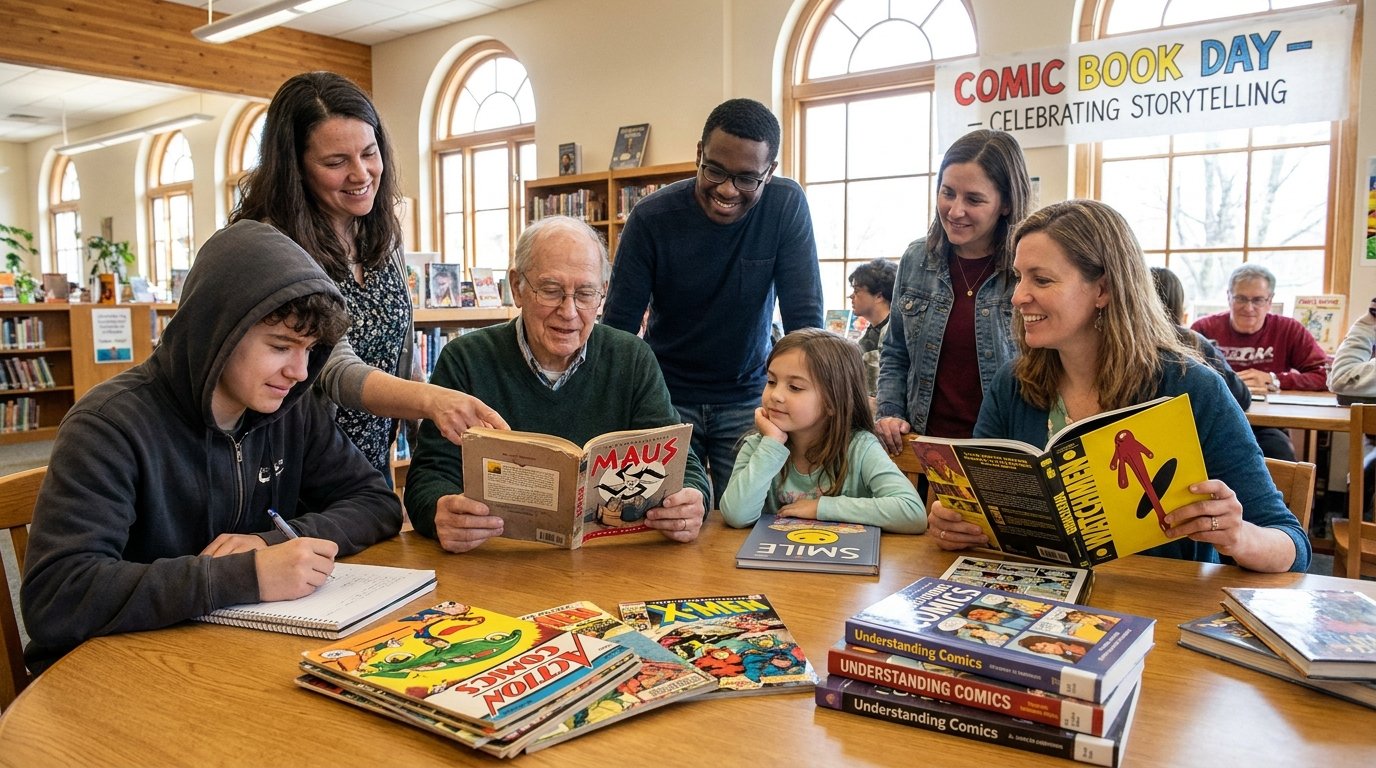
For many, comic books transcend mere entertainment, representing significant cultural artifacts and, for some, valuable investments. The financial value of a comic book is not solely tied to its historical significance but is heavily influenced by a confluence of factors, primarily rarity, condition, and demand. A comic’s condition is paramount; even a rare issue can see its value plummet if it is torn, stained, or missing pages. Professional grading services, such as those offered by CGC (Certified Guaranty Company) or CBCS (Comic Book Certification Service), are essential for accurately assessing and preserving a comic’s state. These companies encapsulate comics in tamper-evident plastic slabs and assign a numerical grade (from 0.5 to 10.0), providing an objective and trusted measure of condition. The cost for such grading typically ranges from $20 to $100 per book for standard services, with premium options for high-value or fast turnaround times exceeding this significantly, sometimes reaching several hundred dollars.
Rarity also plays a crucial role. First appearances of iconic characters, limited print runs, or issues recalled by publishers often command higher prices due to scarcity. For example, a copy of Action Comics #1 (1938), featuring the first appearance of Superman, famously sold for over $3.2 million in 2014, with another copy achieving over $6 million in 2024, illustrating the extreme value placed on truly seminal issues. Similarly, the debut of Batman in Detective Comics #27 (1939) is another highly sought-after comic, with top-tier copies also fetching prices in the multi-millions. These figures are not typical but highlight the potential for exceptional returns on iconic, well-preserved comics. The demand for specific issues can also surge due to adaptations in film or television, driving up prices for key character introductions or story arcs. For instance, the first appearance of a villain who is slated to be in an upcoming blockbuster film can see a sudden, dramatic increase in market interest.
An expert recommendation for anyone considering selling their collection is to seek a professional appraisal before making any decisions. Many common mistakes arise from underestimating or overestimating a comic’s worth based on incomplete information or emotional attachment. A professional appraiser, such as the team at Comic Buying Center, possesses the nuanced understanding of market trends, grading standards, and historical context necessary to provide an accurate valuation. This ensures that sellers receive fair prices and can navigate the selling process with confidence. Our team offers clear explanations and transparent valuations, helping collectors understand the true potential of their items. Whether you are selling a single highly valuable comic or an entire collection, expert advice is invaluable to maximize your returns and ensure a hassle-free transaction. When you are ready to sell, understanding the nuances of comic book value is critical, and unbiased, professional insight is your best ally.
Distinguishing Valuable Comics
Several key attributes distinguish a highly valuable comic from a common one:
- Rarity: Limited print runs, early issues, or issues with production errors tend to be scarcer and thus more desirable. Issues from the Golden Age (1938-1956) are inherently rarer due to age and smaller initial print quantities.
- Condition: The state of preservation is paramount. A comic graded 9.0 (Near Mint) will be exponentially more valuable than the same issue graded 4.0 (Very Good). Damage like creases, tears, missing pages, or water damage severely diminishes value.
- Significance: First appearances of major characters (e.g., Superman, Batman, Spider-Man), iconic covers, or pivotal storyline events that shaped comic book history significantly increase an issue’s appeal and price.
- Creator Pedigree: Comics by legendary creators (e.g., Jack Kirby, Steve Ditko, Frank Miller) often carry added value, especially if they are early works or defining contributions to their careers.
- Market Demand: Current trends, media adaptations (movies, TV shows), and collector interest can temporarily or permanently inflate the price of certain issues.
Professional Appraisals and Fair Pricing
Securing a professional appraisal is a critical step for anyone looking to sell comic books. Our experienced team at Comic Buying Center provides professional appraisals based on current market data, industry standards, and an in-depth understanding of comic book grading and historical significance. We offer clear explanations for our valuations, ensuring you understand exactly why your items are priced as they are. This transparency is crucial for a trustworthy and simple selling experience, allowing both seasoned collectors and first-time sellers to feel confident in the process and receive a fair price for their valuable collectibles.
| Aspect of Celebration | National Comic Book Day (September 25th) | Free Comic Book Day (First Saturday in May) | General Comic Engagement |
|---|---|---|---|
| Primary Focus | Appreciation of comic book history, art, and cultural impact. | Promoting comic books and local comic shops through free giveaways. | Ongoing enjoyment, collection, and study of the medium. |
| Type of Event | Informal, personal reflection, exploration, or small local initiatives. | Organized events at participating local comic shops. | Daily reading, collecting, online communities, conventions. |
| Key Activity | Re-reading classics, discovering historical facts, supporting artists. | Receiving free comics, meeting creators, in-store activities, cosplay. | Building a collection, deep dives into series, engaging with fandom. |
| Target Audience | Existing fans, historians, artists, and educators. | New readers, families, and existing fans looking for new titles. | All levels of readers and collectors, from casual to expert. |
| Benefits | Deeper understanding and appreciation for the art form. | Introduction to new series, community building, supporting LCS. | Personal enjoyment, investment potential, cultural connection. |
FAQ
What is National Comic Book Day?
National Comic Book Day is an annual observance on September 25th, dedicated to celebrating the rich history, artistic merit, and cultural impact of comic books. It’s an informal day for fans to reflect on and appreciate the medium, its creators, and its evolution.
When is Free Comic Book Day?
Free Comic Book Day (FCBD) is typically held on the first Saturday of May each year. This event sees participating comic book stores across the globe give away specially printed free comic books to promote reading and support local businesses.
How can I celebrate Comic Book Day?
You can celebrate by visiting your local comic book shop, reading a new or classic comic, organizing your collection, researching comic book history, or even attempting to create your own sequential art. Many shops host special events, particularly during Free Comic Book Day.
Is ‘International Comic Book Day’ different from ‘National Comic Book Day’?
While ‘National Comic Book Day’ specifically refers to the September 25th observance in the U.S., ‘International Comic Book Day’ is often used more broadly to encompass any global celebration of comics, including Free Comic Book Day or specific national events in other countries. There isn’t one universally recognized “International Comic Book Day” date.
Are comic books a good investment?
Some rare and historically significant comic books, particularly those in high condition, can be excellent investments, with top-tier issues fetching millions of dollars. However, the vast majority of comics do not hold significant monetary value, and investment potential depends heavily on rarity, condition, and market demand, making professional appraisal essential.
Can I get my comic books appraised for value?
Yes, professional appraisals for comic books are readily available. Experts evaluate factors like rarity, historical significance, and most importantly, the condition of the comic to determine its market value. Services like those offered by Comic Buying Center provide clear, professional appraisals to help you understand the worth of your collection.