

For players seeking a non-rotating Magic: The Gathering format that balances competitive depth with accessibility, Pioneer MTG stands as an exceptional choice. This format offers a vibrant ecosystem for collectors and competitors alike, bridging the gap between the ever-changing Standard environment and the extensive, often costly, card pools of Modern and Legacy. Introduced in 2019, Pioneer specifically features cards released from the Return to Ravnica set (October 2012) onward, excluding a carefully curated ban list primarily designed to prevent overly efficient mana bases and disruptive combo strategies. It cultivates a meta-game that rewards strategic deck building and skillful play without requiring the substantial financial investment often associated with older, more powerful formats. For those looking to rekindle their connection with beloved Standard-era cards or explore a dynamic competitive scene without the overwhelming complexity of formats featuring decades of releases, Pioneer provides a refreshing and engaging platform. Whether you are a long-time player with a collection of modern-era staples or a newcomer ready to dive into a deep, evolving format, Pioneer delivers a balanced and rewarding experience.
Key Takeaways

- Pioneer is a non-rotating Magic: The Gathering format featuring cards from Return to Ravnica (October 2012) onwards.
- It serves as an accessible bridge between Standard and Modern, offering competitive play without the high financial barrier of older formats.
- A distinctive ban list, notably prohibiting all fetch lands, promotes diverse mana bases and prevents excessively powerful three or four-color decks.
- The format’s metagame is dynamic and varied, encompassing a wide range of aggro, control, midrange, and combo archetypes.
- Pioneer provides an excellent opportunity to utilize cards that have rotated out of Standard, giving them continued relevance and value.
What is the Pioneer Format in Magic: The Gathering?
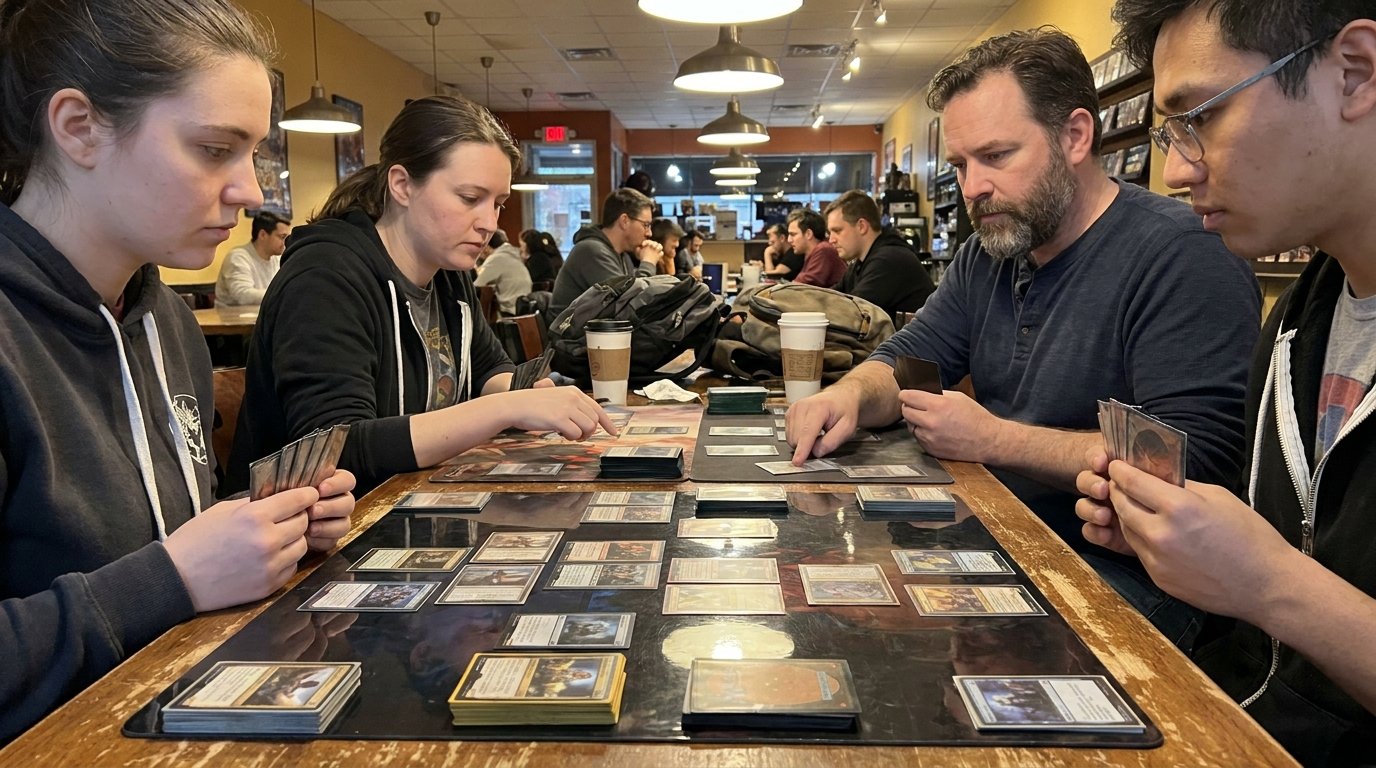
Pioneer is a non-rotating constructed format in Magic: The Gathering that was officially announced by Wizards of the Coast in October 2019. Its primary objective was to create a new competitive landscape for players who enjoyed the card sets from a more recent era, specifically those released since the autumn of 2012. The format was conceived to fill a growing void between the constantly evolving Standard format, where cards rotate out of legality every year, and the older, more entrenched Modern format, which includes cards dating back to 2003. This mid-point allows players to leverage their collections from recent Standard rotations without diving into the deep and often expensive card pool of Modern.
The core identity of Pioneer is defined by its card legality: any card printed in a Standard-legal set from Return to Ravnica (October 2012) to the present day is permissible, provided it is not on the format’s specific banned list. This expansive yet contained card pool ensures a rich variety of strategic options and deck archetypes. Unlike formats such as Legacy or Vintage, which permit almost every card ever printed, Pioneer imposes a more structured boundary, which helps in maintaining a balanced metagame and prevents the dominance of overly powerful or disruptive strategies that might arise from older card interactions. The exclusion of fetch lands from the outset was a deliberate design choice, aiming to encourage more diverse mana bases and prevent the homogenization of multi-color decks, a common characteristic in Modern. This decision fosters a unique gameplay experience where mana management and color fixing present distinct strategic challenges.
Understanding Pioneer MTG’s Legal Sets and Banned List
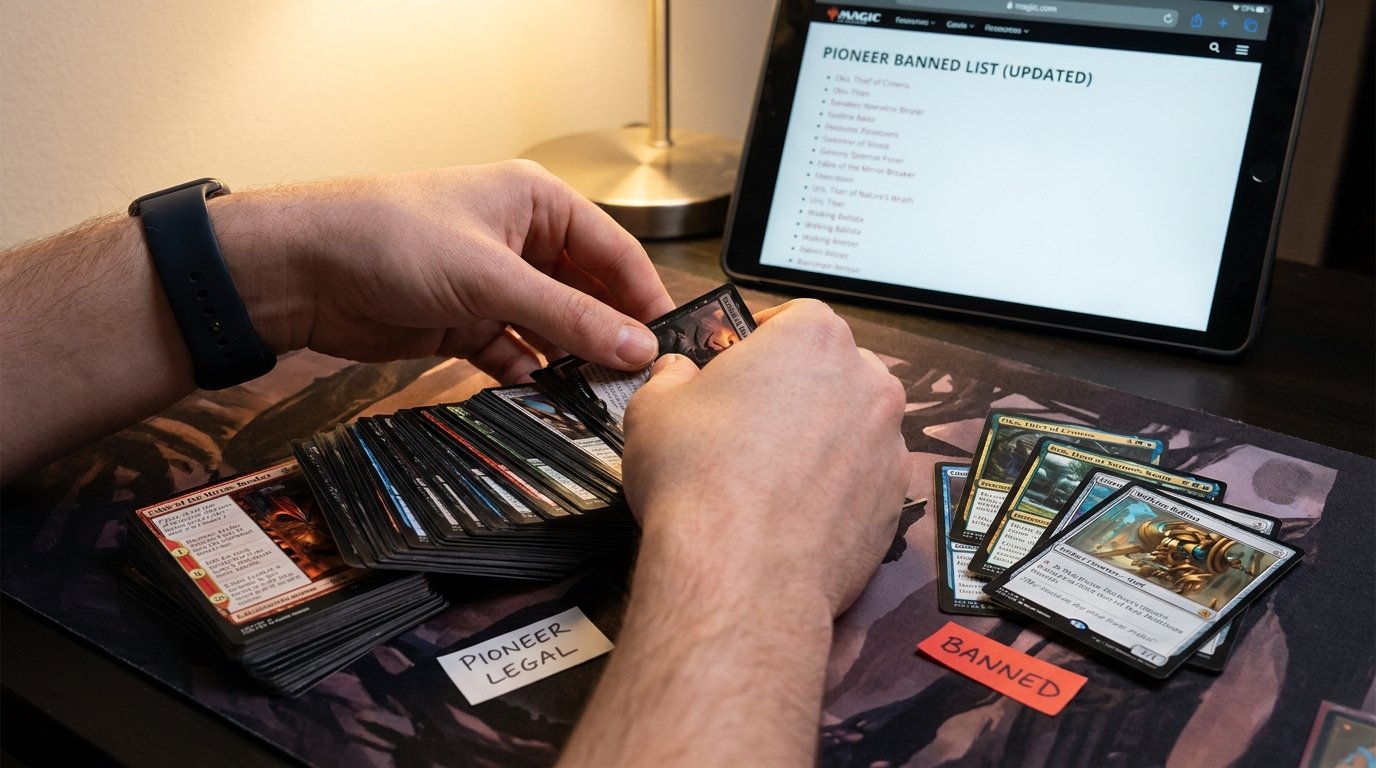
The legal card pool for Pioneer MTG begins strictly with the Return to Ravnica set, released in October 2012, and extends to every subsequent Standard-legal set printed since. This encompasses over a decade of Magic’s history, including popular blocks and standalone sets such as Theros, Khans of Tarkir, Innistrad: Shadows Over Innistrad, Kaladesh, Dominaria, War of the Spark, Zendikar Rising, Kamigawa: Neon Dynasty, and many more up to the most current releases. Cards printed in supplementary products like Commander decks, Masters sets, or Modern Horizons are generally not legal unless they were also printed in a Standard-legal set within the Pioneer timeframe. This clear delineation helps players easily understand which cards they can and cannot use, making the format more approachable for new participants.
The banned list in Pioneer is critical to its unique gameplay feel. Unlike Modern, which allows powerful fetch lands, Pioneer explicitly bans all ten fetch lands (e.g., Bloodstained Mire, Flooded Strand, Wooded Foothills) from its inception. This foundational ban was implemented to prevent players from easily building optimal three-color or four-color mana bases, which often leads to similar deck constructions across various archetypes. By restricting perfect mana, the format encourages more distinct two-color strategies or incentivizes careful decision-making for players choosing to venture into three or more colors. Beyond fetch lands, the banned list targets cards that create oppressive, non-interactive, or excessively fast combo strategies, which would otherwise dominate the format and reduce diversity. Examples include Oko, Thief of Crowns for its overwhelming power, Teferi, Time Raveler for its ability to restrict opponent interaction, and various fast combo enablers like Inverter of Truth or Underworld Breach. The maintenance of this ban list is an ongoing process by Wizards of the Coast, with occasional adjustments made to ensure the format remains healthy, diverse, and enjoyable for a wide range of players. Staying updated on the latest changes is crucial for competitive play, and you can generally find updates on the official Magic: The Gathering website.
Pioneer vs. Modern: A Strategic Comparison
The comparison between Pioneer and Modern is often the primary consideration for players looking to delve into a non-rotating format beyond Standard. While both offer diverse competitive environments, their fundamental differences in card pool, power level, and financial accessibility create distinct strategic landscapes. Modern, established in 2011, includes cards from Eighth Edition (2003) onwards, providing a significantly larger and older card pool than Pioneer’s Return to Ravnica (2012) starting point. This difference is not merely quantitative; it profoundly impacts the quality and speed of play.
Modern’s older card pool introduces more efficient threats, faster combos, and highly optimized mana bases due to the legality of fetch lands combined with shock lands. This often leads to a higher power ceiling and quicker games, where a player can win on turn three or four with a powerful, uninteractive strategy. Pioneer, by contrast, deliberately lacks these top-tier enablers. The absence of fetch lands, for instance, means players must rely on shock lands, pain lands, and other less efficient dual lands, which makes multi-color decks inherently more challenging to construct and operate without sacrificing life total or tempo. This leads to a slower, more interactive game play where individual card advantage, mid-range strategies, and board presence often matter more than raw speed.
From a financial perspective, Pioneer typically offers a lower barrier to entry. Many top-tier Pioneer decks can be built for a cost ranging from $400 to $800, according to MTGGoldfish data from May 2024. This is significantly less than the $1,000 to $2,500 often required for competitive Modern decks, where staple cards can command prices upwards of $50-$100 individually. This cost differential makes Pioneer an attractive option for players who want to engage in serious competitive play without liquidating a significant portion of their assets. Our experts at Comic Buying Center frequently guide collectors who wish to sell Magic cards and explore new formats, and Pioneer’s accessibility is a common highlight.
Moreover, the metagame diversity tends to be different. Modern’s vast card pool leads to a wide array of viable strategies, but the sheer power level often means that only the most optimized, consistent, and resilient decks can thrive. Pioneer, with its slightly lower power ceiling, allows for a broader range of creative and less-broken strategies to find success, fostering an environment where innovation can still be highly rewarded. Approximately 70% of cards legal in Pioneer are also legal in Modern, demonstrating a significant overlap while still fostering distinct metagames, making it a fresh challenge for seasoned players and a comfortable entry point for newer ones.
| Feature | Pioneer | Modern | Standard |
|---|---|---|---|
| Legal Sets Begin | Return to Ravnica (Oct 2012) | Eighth Edition (July 2003) | Last 2-3 years of sets (Rotating) |
| Card Pool Size | Medium (Approx. 12 years of sets) | Large (Approx. 21 years of sets) | Small (Currently 8 sets) |
| Fetch Lands | Banned | Legal | Not printed in recent sets |
| Average Deck Cost | $400 – $800 | $1,000 – $2,500+ | $100 – $400 |
| Game Speed | Moderate, interactive | Fast, explosive combos possible | Varies, often slower than Pioneer |
Navigating the Pioneer Metagame: Top Archetypes and Strategies
The Pioneer metagame is characterized by its dynamic nature, with various archetypes consistently vying for dominance. Understanding these prevalent strategies is key to successful play, whether you are building a new deck or looking to counter your opponents. Unlike formats where one or two strategies might overwhelmingly dominate, Pioneer often sees a healthy balance of aggro, control, midrange, and combo decks, each presenting unique challenges and opportunities.
Common Archetypes Include:
- Rakdos Midrange: Often considered the format’s measuring stick, this archetype utilizes powerful individual cards like Thoughtseize, Fatal Push, and Fable of the Mirror-Breaker to disrupt opponents, generate value, and present efficient threats. It balances disruption with strong creatures, adapting well to various matchups.
- Mono-Green Devotion: A ramp strategy focused on accelerating into powerful permanents. This deck aims to generate vast amounts of mana through Nykthos, Shrine to Nyx and various green permanents, culminating in game-winning plays like Kiora Bests the Sea God or Karn, the Great Creator fetching silver bullets from the sideboard.
- Azorius Control: A classic control strategy relying on counterspells, board wipes (e.g., Supreme Verdict), and planeswalkers like Teferi, Hero of Dominaria to dictate the pace of the game and eventually win through overwhelming card advantage or an unassailable board state.
- Izzet Phoenix: An aggressive, spell-slinging deck that aims to quickly fill its graveyard to reanimate multiple copies of Arclight Phoenix. Supported by cheap cantrips, burn spells, and efficient threats like Thing in the Ice, it can apply immense pressure early in the game.
- Gruul Aggro: Focuses on powerful, efficient creatures and aggressive spells to quickly reduce an opponent’s life total. Cards like Bonecrusher Giant and Questing Beast provide significant pressure, often backed by removal to clear blockers.
A common mistake new Pioneer players make is to overemphasize raw power over synergy and resilience. While powerful cards are important, Pioneer often rewards decks that can interact effectively, pivot between offensive and defensive stances, and grind out value over several turns. Don’t underestimate the importance of sideboard construction; a well-tuned sideboard can dramatically improve your win rate against specific popular archetypes, allowing you to adapt your strategy post-game one.
The Financial Aspect of Pioneer MTG: Accessibility and Investment
One of Pioneer’s most attractive features is its relative financial accessibility compared to older, non-rotating formats. For many players, the cost of entry into Magic’s competitive scene is a significant barrier. Pioneer was deliberately designed to mitigate this, leveraging a more recent card pool where many staples are less expensive than their Modern or Legacy counterparts.
As mentioned, a competitive Pioneer deck generally ranges from $400 to $800. This is in stark contrast to Modern, where a single staple card like Ragavan, Nimble Pilferer can easily cost upwards of $60-$80, and entire decks frequently exceed $1,000, sometimes reaching $2,500 or more. Legacy and Vintage formats exist on an even higher plane, with many essential cards costing hundreds or even thousands of dollars each, making these formats largely prohibitive for casual players. For instance, a playset of “Thoughtseize,” a ubiquitous black staple across multiple formats, might cost around $20-$30 per copy for a non-foil version in Pioneer, whereas comparable cards in Modern that fulfill similar roles might have a higher premium due to longer demand and fewer printings. This difference isn’t just about individual cards; it’s about the overall economic threshold to compete effectively.
From an investment perspective, Pioneer cards offer a unique dynamic. While they might not appreciate in value as dramatically as rare Reserved List cards from older sets, the consistent demand from a growing player base ensures that key staples retain their value well beyond their time in Standard. Many players who have accumulated collections during their Standard playing days find Pioneer a perfect format to keep their cards relevant and valuable. This also means that for those looking to acquire cards, the market for Pioneer staples is generally active and liquid. At Comic Buying Center, we help collectors understand the value of their cards and assist them in navigating the market when they wish to expand their collection or sell Magic cards for fair prices. This transparency ensures you always understand the worth of your collection.
Industry reports indicate that the secondary market for Pioneer staples has remained stable, with a steady increase in liquidity since its inception. This makes it a relatively safe format for players who want to invest in a collection that will hold its value without the speculative risks associated with very new or very old, rare cards. The relatively large card pool and the constant influx of new sets also ensure that the format feels fresh and prevents stagnation, contributing to long-term player engagement and demand for its cards.
Building Your Pioneer Collection: Expert Tips for Players
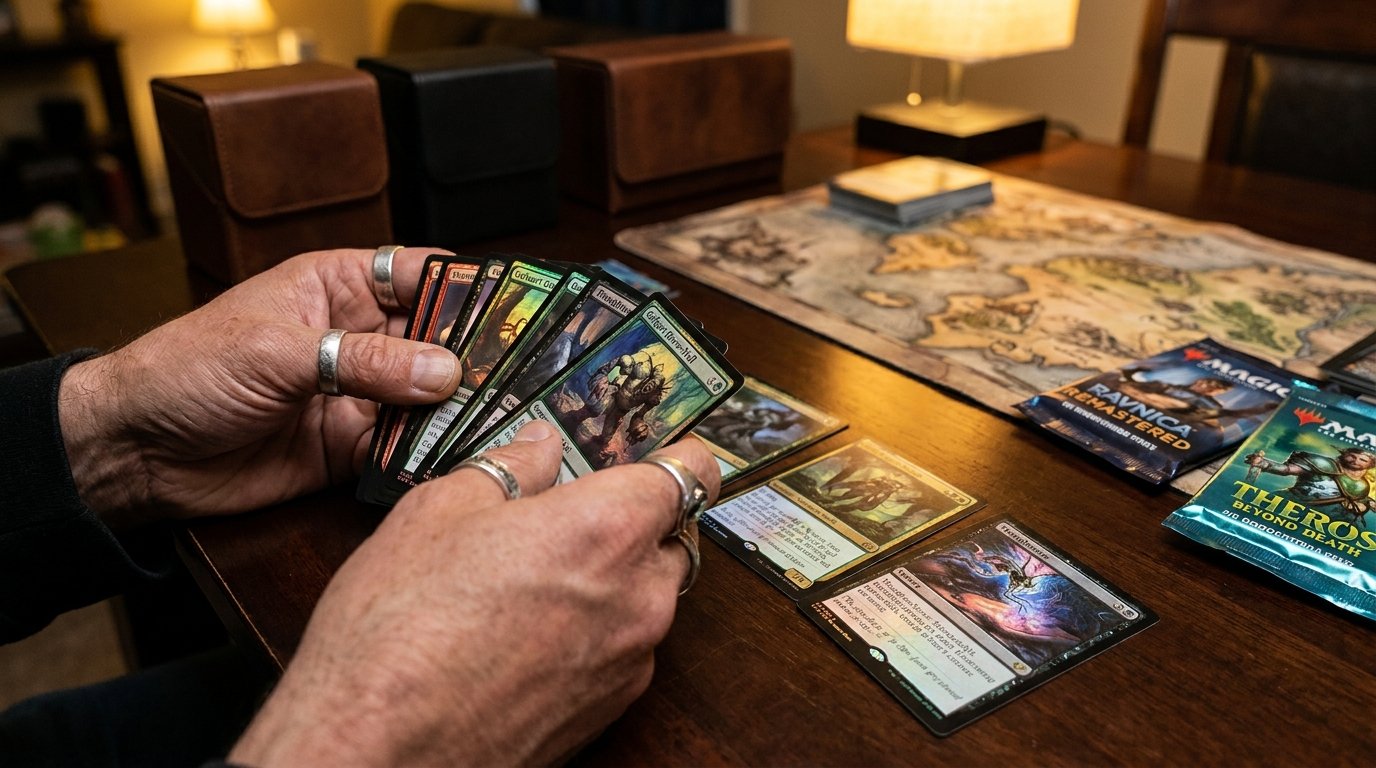
Embarking on the journey of building a Pioneer collection requires a strategic approach to ensure both effectiveness and value. As experienced collectors and traders, we have observed several key practices that can significantly enhance your experience and minimize unnecessary expenditures. The first step is to immerse yourself in the current metagame. Understand which decks are performing well, what key cards they utilize, and how they interact. Websites like MTGGoldfish or TCGPlayer offer valuable insights into the top-performing decks and their card lists. This knowledge prevents you from acquiring cards that might be powerful in other formats but have limited synergy or effectiveness in Pioneer.
Focus on acquiring flexible, cross-archetype staples early on. Cards like Thoughtseize, Fatal Push, Supreme Verdict, or Fable of the Mirror-Breaker are examples of cards that see play in multiple top-tier Pioneer decks. Investing in these versatile pieces first allows you to transition between different archetypes or build new decks more easily without starting from scratch. Prioritize these high-impact cards over niche, single-deck components initially. Remember to also consider the mana base for any colors you intend to play, as efficient mana is crucial in Pioneer’s slightly slower pace.
A common professional mistake to avoid when building a Pioneer collection is over-investing in a single archetype without fully understanding its long-term viability or susceptibility to ban list changes. While it’s tempting to jump on the “best deck” of the week, highly linear or oppressive strategies are often targets for future bans to maintain format health. Diversifying your collection with staple cards that transcend specific archetypes provides a safeguard against such changes. Additionally, consider trading for cards rather than always buying new. Local game stores and online communities often have active trading scenes where you can exchange cards you don’t need for those you do, optimizing your collection more efficiently.
Finally, always prioritize card condition, especially if you view your collection as an investment. Near Mint condition cards command the highest value. When purchasing or trading, inspect cards for wear, bends, or other damage. For higher-value cards, consider professional grading services to authenticate and protect their condition, which can significantly enhance their market value. By following these expert tips, you can build a robust and valuable Pioneer collection that stands the test of time and adapts to the evolving metagame.
FAQ
What is the starting point for Pioneer MTG’s legal card sets?
The Pioneer format includes all Standard-legal Magic: The Gathering sets printed from October 2012 onward, beginning specifically with the set Return to Ravnica. This provides a diverse card pool distinct from older non-rotating formats.
Why are fetch lands banned in Pioneer?
Fetch lands are banned in Pioneer to prevent excessively efficient three-color and four-color mana bases, which often lead to homogeneous deck building. Their exclusion encourages more diverse mana bases and promotes distinct strategic choices in deck construction.
How does the power level of Pioneer compare to Modern?
Pioneer generally has a slightly lower power level and slower game speed compared to Modern. Modern’s larger card pool and inclusion of fetch lands allow for more explosive plays and efficient combos, whereas Pioneer emphasizes more interactive, mid-range strategies and individual card value.
Is Pioneer a good format for new players?
Yes, Pioneer is an excellent format for new players. Its defined card pool is less overwhelming than older formats, and the average cost of building a competitive deck is significantly lower than in Modern, making it more accessible financially.
How often does the Pioneer banned list change?
Wizards of the Coast monitors the Pioneer metagame and makes adjustments to the banned list as needed to maintain format health and diversity. While there isn’t a fixed schedule, bans typically occur when certain cards or strategies become too dominant or non-interactive.
Can cards from supplemental sets like Commander products be played in Pioneer?
No, cards from supplemental products like Commander decks, Masters sets, or Modern Horizons are generally not legal in Pioneer unless they were originally printed in a Standard-legal set within the Return to Ravnica onwards timeframe. Pioneer strictly adheres to Standard-set legality.