
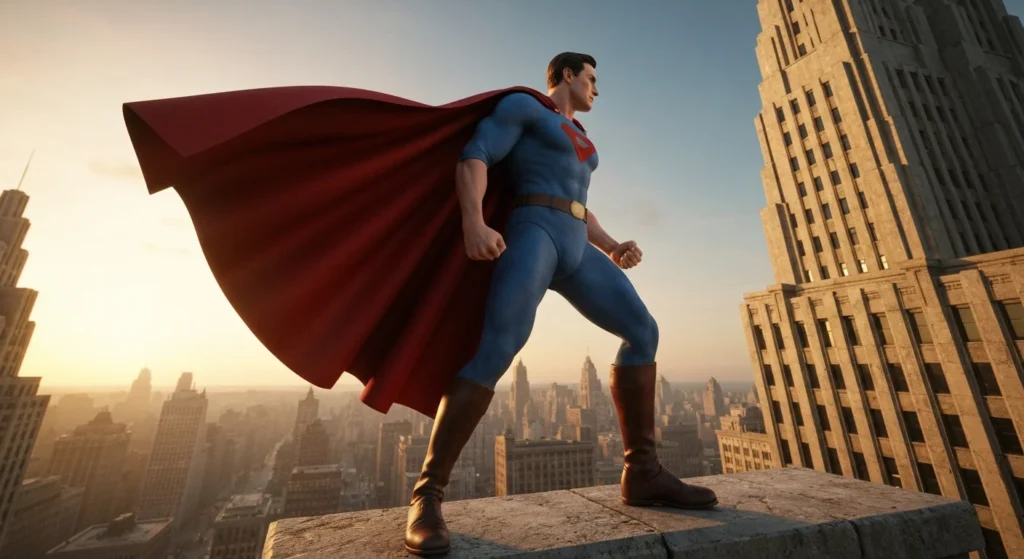
Determining the first superhero in comics depends entirely on how you define the term. For a character possessing actual superhuman strength in a comic format, Hugo Hercules is the oldest comic book hero, debuting in the Chicago Tribune in 1902. If your definition requires a colorful costume, a secret identity, and extraordinary powers dedicated to fighting crime, then Superman is the definitive choice, debuting in Action Comics #1 in 1938. For collectors and historians assessing the medium’s evolution, Hugo Hercules holds the historical crown as the earliest illustrated protagonist with superhuman abilities, while Superman remains the archetype that launched the modern comic book industry. Understanding this distinction helps collectors navigate the historical value of early print media and golden age keys.
Key Takeaways
- The Historical Pioneer: Hugo Hercules, appearing in 1902, is technically the earliest comic strip character with documented superhuman strength.
- The Modern Archetype: Superman, debuting in 1938, established the complete superhero formula including costumes, secret identities, and heroic missions.
- Literary Precursors: Characters like Spring-Heeled Jack and the Scarlet Pimpernel laid the narrative groundwork in 19th-century literature.
- Collector Valuation: Age alone does not dictate comic book value; historical significance and character popularity heavily influence market prices.
- Appraisal Essentials: Professional grading remains crucial for securing maximum value when selling vintage comic books and early strips.
The Debut of the First Superhero Comic and the Archetype of Superman
Superman represents the definitive blueprint for every costumed hero that followed him. His debut in June 1938 within the pages of Action Comics #1, created by Jerry Siegel and Joe Shuster, changed popular culture forever. This publication is widely recognized as the first superhero comic because it synthesized several distinct elements into a single, cohesive character concept.
Before Superman, readers enjoyed adventure strips, but none featured a protagonist with an otherworldly origin, a colorful costume, and an alter ego. Superman possessed incredible strength, could leap tall buildings, and hid behind the mild-mannered persona of Clark Kent. This dual identity allowed readers to project themselves into the story, creating an emotional connection that publisher National Allied Publications had never seen before.
The financial success of this formula was immediate and massive. In the collector market, early printings of this issue command unprecedented sums. For instance, a high-grade copy of Action Comics #1 sold for a record-breaking $6 million through Heritage Auctions. This sale cements Superman not just as a cultural icon, but as the premier asset in the world of physical collectibles.
Hugo Hercules: The Oldest Comic Book Hero in Print History
Hugo Hercules remains a fascinating anomaly that predates the modern comic book industry by more than three decades. Created by Wilhelm Heinrich Detlev Körner, this character first appeared in the September 7, 1902, edition of the Chicago Tribune. Over a brief five-month run, readers witnessed a man of immense physical capability performing astonishing feats of strength daily.
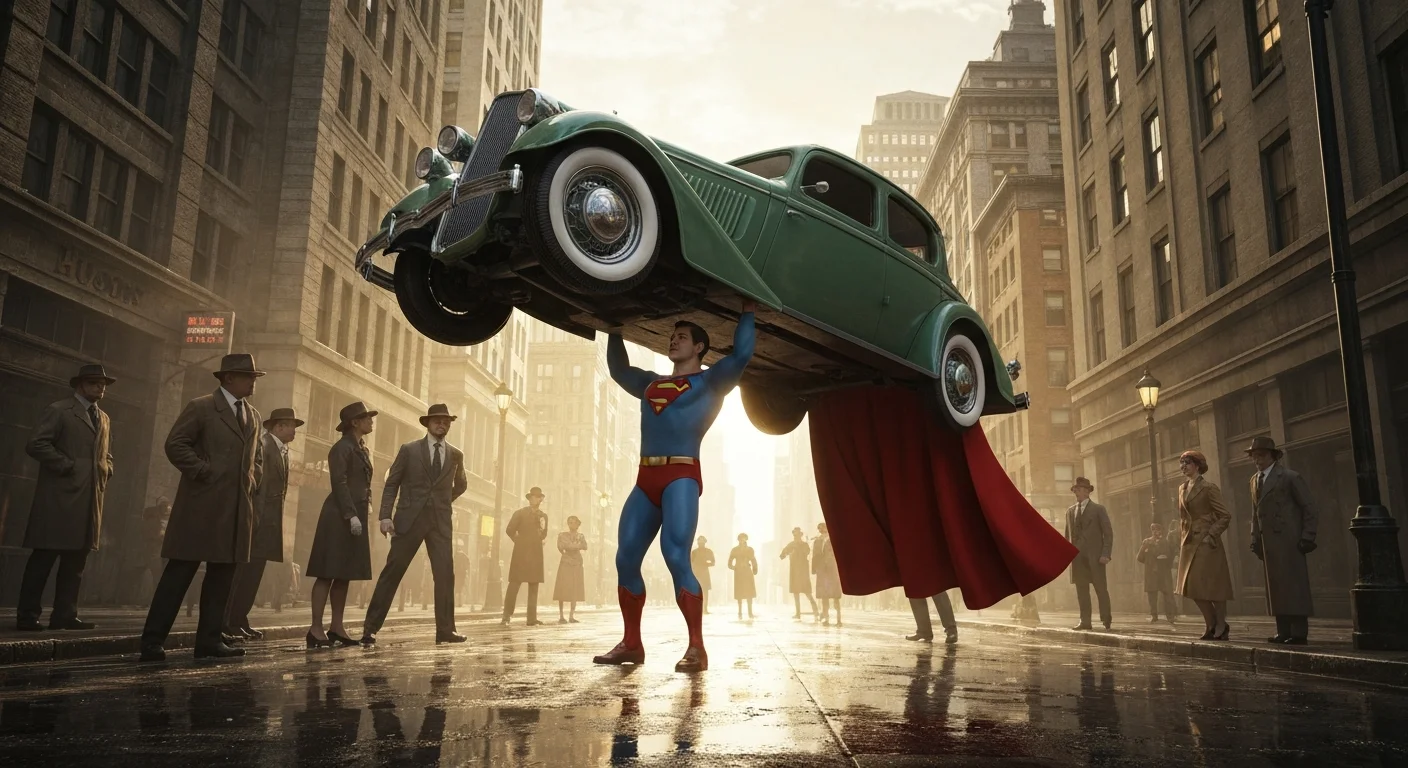
Unlike modern heroes, Hugo did not wear a cape, hide his face, or battle stylized supervillains. Instead, he used his incredible strength for lighthearted, everyday assistance. In his debut strip, Hugo stopped a moving trolley car with his bare hands to help a woman secure a ride. Other weekly strips depicted him catching falling safes, lifting heavy artillery carriages, and pulling derailed trains back onto their tracks.
Despite his superhuman nature, Hugo Hercules did not spark a dedicated genre. The newspaper strip format of the early 1900s focused primarily on quick gag humor and whimsical scenarios. Because the publisher did not develop a serialized narrative or an overarching rogues’ gallery, the character faded into obscurity by early 1903. However, he remains the true chronological starting point for superhuman physical feats in the comic medium.
Victorian Prototypes and Pulp Precursors to the Modern Superhero
Superheroes did not emerge in a vacuum, as their narrative roots extend deep into Victorian literature and pulp magazines. During the late 19th century, cheap serialized booklets known as penny dreadfuls introduced readers to larger-than-life figures. These publications laid the structural foundations that comic artists would eventually adopt for their own illustrated stories.
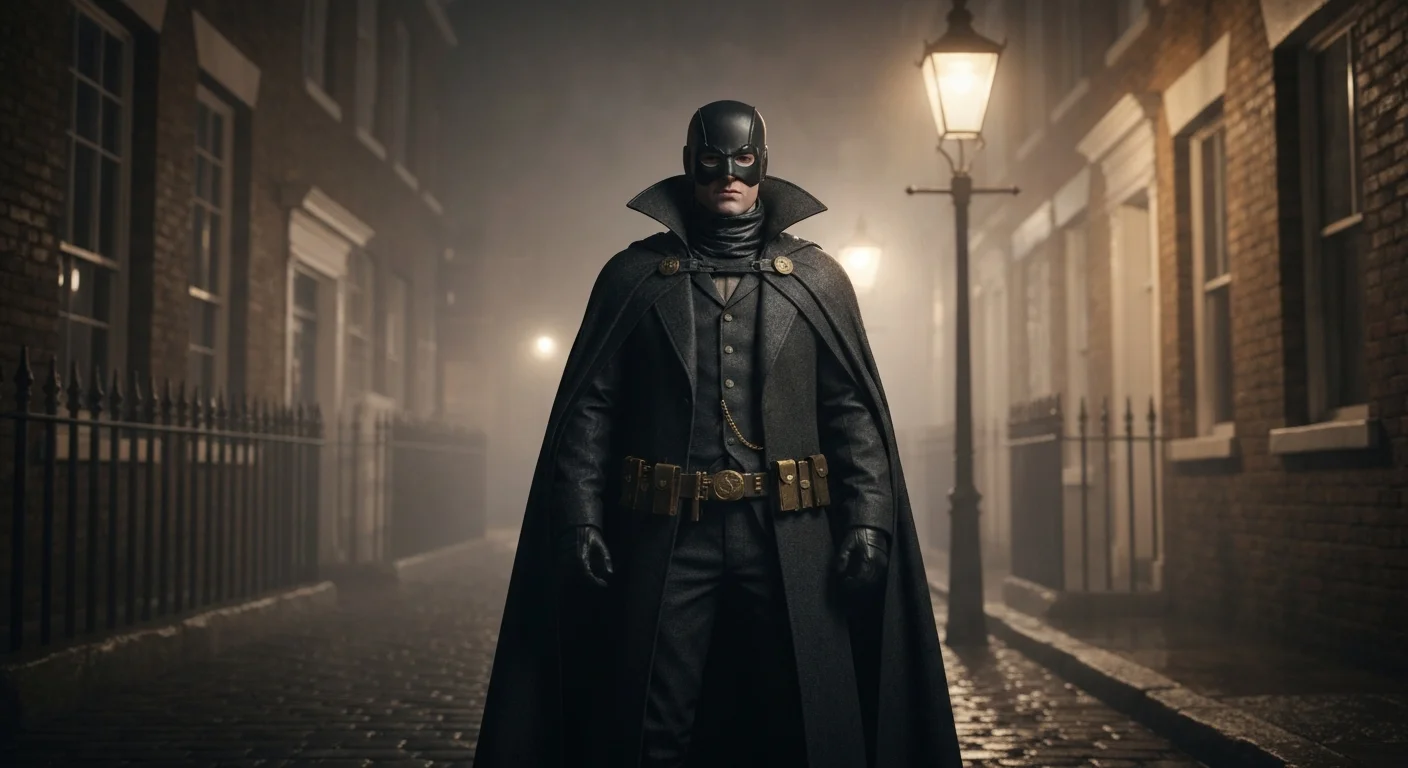
Spring-Heeled Jack is one of the most prominent early prototypes. Initially appearing as a terrifying urban legend, later literary adaptations transformed him into a masked vigilante. He used specialized gadgets, wore a dark disguise to terrify criminals, and operated from a hidden lair. These elements directly predate the characteristics that would define Batman decades later.
In 1903, Baroness Emma Orczy introduced the Scarlet Pimpernel in a stage play, followed by a highly successful novel. This character established the concept of the dual identity, using a meek, wealthy persona to hide his daring exploits as a masked savior. Later, pulp magazines of the 1930s introduced characters like The Shadow and The Phantom, who wore costumes and fought crime using stealth and specialized training before comic books took over the market.
Comparison of Early Comic and Pulp Protagonists
To understand how these characters evolved over time, we can compare their specific traits. The table below outlines how key precursors built the foundation for the modern superhero archetype.
| Character Name | Debut Year | Primary Medium | Superhuman Abilities | Costume or Secret Identity |
|---|---|---|---|---|
| Spring-Heeled Jack | 1867 | Penny Dreadful Literature | No (Gadget-based agility) | Yes (Disguise/Vigilante Persona) |
| Hugo Hercules | 1902 | Newspaper Comic Strip | Yes (Incredible Strength) | No (Everyday Attire) |
| The Phantom | 1936 | Newspaper Comic Strip | No (Peak Human Condition) | Yes (Mask/Purple Bodysuit) |
| Superman | 1938 | Comic Book (Anthology) | Yes (Flight, Invulnerability, Strength) | Yes (Spandex Suit/Clark Kent) |
How Historical Significance Impacts Vintage Comic Book Value
Historical priority plays an enormous role in determining the collectible value of vintage comic books. Collectors place a massive premium on first appearances and key evolutionary milestones. While Hugo Hercules strips are rare, their format makes them difficult to collect in traditional comic book forms, keeping the primary focus on Golden Age books.
The global market for vintage comics and related collectibles continues to see strong, sustained growth. Market reports published by Grand View Research indicate that the global comic book market remains valued in the billions, driven largely by high-grade vintage sales and intellectual property popularity. This financial strength makes understanding historical keys essential for anyone looking to build a valuable portfolio.
If you are looking to assess the value of your own collection, consulting a professional comic book price guide is an excellent starting point. Knowing the difference between an ordinary reprint and a historic first appearance can mean a difference of thousands of dollars. Understanding why are comic book characters so popular today helps explain why these fragile paper artifacts command such impressive prices on the open market.
Expert Tips for Evaluating and Appraising Antique Comic Books
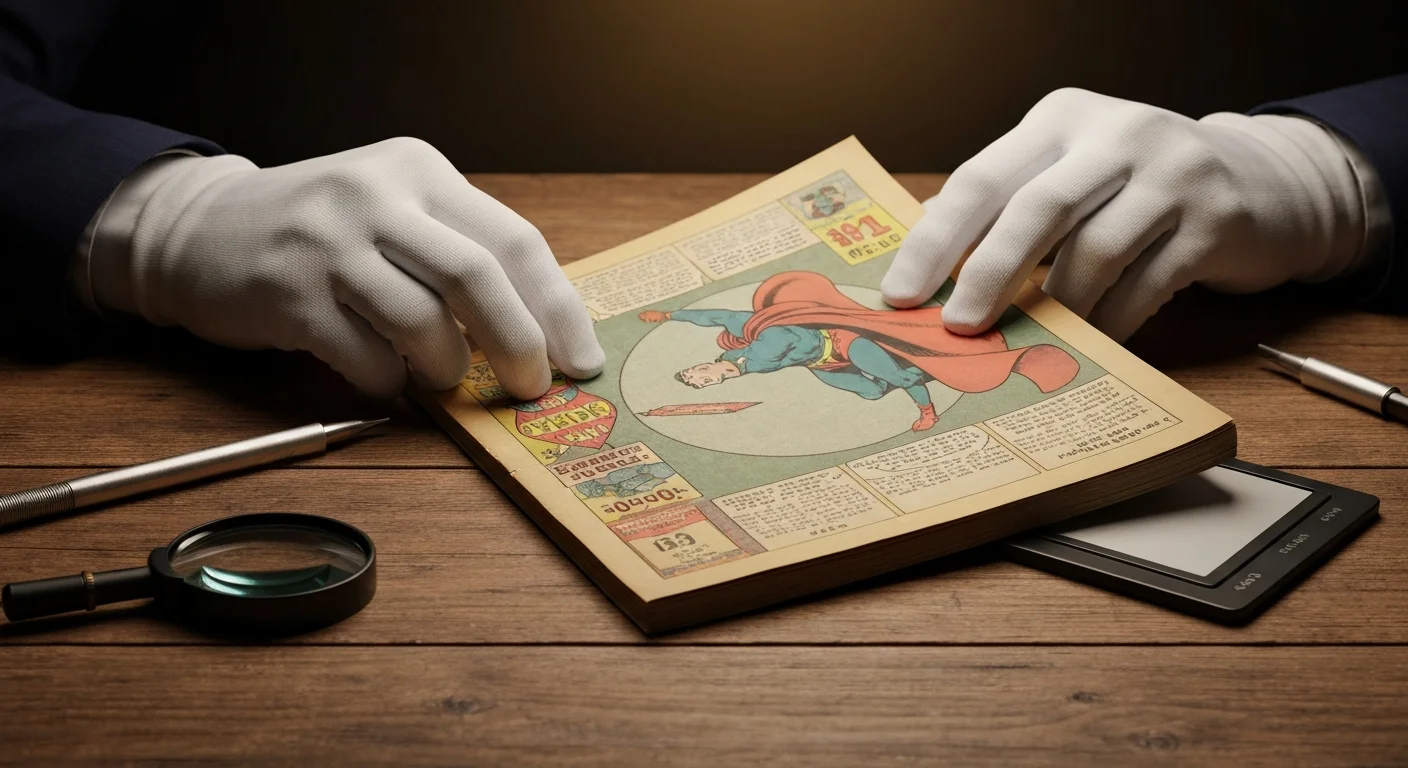
Appraising Golden Age and Silver Age comics requires an eye for detail and an understanding of preservation. Many amateur collectors make critical mistakes that cost them significant money when they attempt to sell their items. To help you secure the best return on your investments, follow these structural steps to evaluate your inventory.
- Verify the Print Edition: Many golden age books have been reprinted over the decades. Check the indicia on the inside front cover or first page to ensure you have a true first printing.
- Assess Page Quality: Vintage paper degrades easily. Examine whether the pages are white, off-white, cream, or brittle. Brittle pages reduce a comic’s value dramatically.
- Examine the Spine and Staples: Look for spine stress lines, staple rust, or replacement staples. Original staples in clean condition are vital for securing a high grade.
- Identify Professional Restoration: Look closely for evidence of color touch-ups, glue repairs, or trimmed edges. Restored books generally sell for much less than unrestored copies of the same grade.
One common mistake to avoid is attempting to clean or repair a vintage comic book yourself. Using household adhesive tape or cleaning solvents can permanently ruin the paper fibers. Instead, rely on established grading services such as the Certified Guaranty Company to document the official condition of your books before sale. Secure professional advice from trusted dealers who specialize in vintage collectibles to ensure a fair, transparent transaction.
FAQ
Who was the first comic book superhero?
Hugo Hercules is the first character with superhuman abilities to appear in a comic strip format, debuting in 1902. However, Superman is widely recognized as the first modern, costumed comic book superhero, debuting in 1938.
What is the oldest comic book hero with superpowers?
Hugo Hercules holds the record as the oldest illustrated comic hero with physical superpowers, specifically superhuman strength. He could lift trains, stop trolley cars, and carry heavy safes with ease back in 1902.
Is Superman the first superhero ever created?
No, Superman is not the first superhero ever created, but he was the first to popularize the genre. Precursors like the Scarlet Pimpernel and Mandrake the Magician existed in literature and pulp strips years before Superman appeared.
Why is Action Comics 1 considered the first superhero comic?
It is considered the first because it brought together all the essential tropes of the genre for the first time. It combined a stylized costume, superpowered feats, a secret identity, and a heroic mission in a comic book format.
Are comic strip characters from the early 1900s valuable today?
Yes, original newspaper pages and compilation books from the early 1900s can be highly valuable to specialty collectors. Their price depends on the rarity, historical significance of the character, and the physical condition of the paper.
Can I sell my vintage comics without getting them graded first?
Yes, you can sell your vintage comics ungraded, though having them appraised by a reputable buyer is recommended. Trusted local showrooms can evaluate the condition of your collection immediately and offer fair cash prices without the long wait times of third-party grading.