
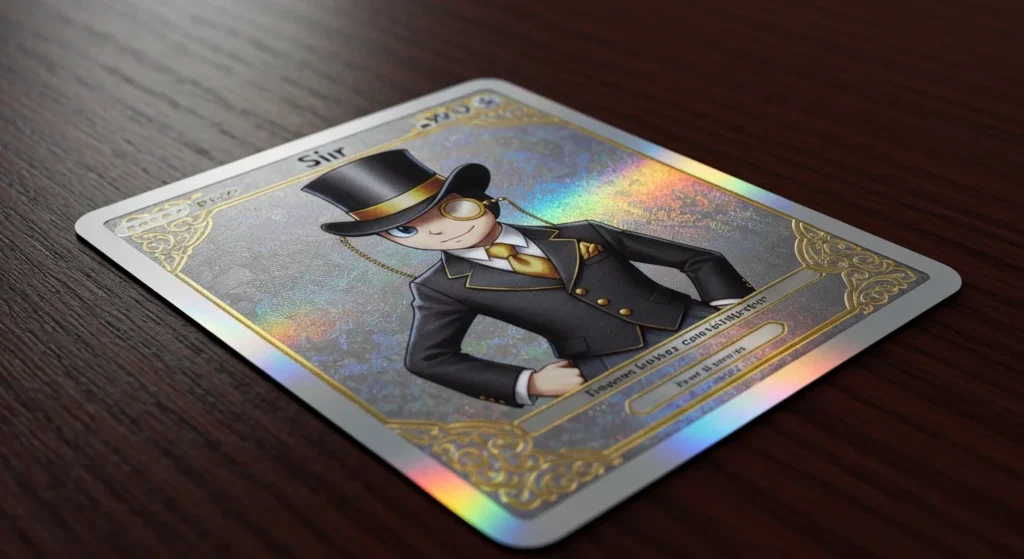
For collectors looking to maximize their collection’s value in 2026, targeting Special Illustration Rare (SIR) Pokémon cards is the premier strategy. These cards feature full-bleed artwork and represent the peak of modern Trading Card Game (TCG) collectibility. If you are holding an SIR card, we recommend immediately protecting it in an archival-safe penny sleeve and a rigid top loader before seeking a professional appraisal. This is because their unique market positioning blends exquisite, stylized aesthetics with incredibly low pull rates, making them the most valuable cards in modern sets. Recognizing the distinct double gold star icon and understanding how these assets differ from standard holographic cards will protect you from mispricing your collection. This comprehensive breakdown details the exact identification markings, market values, and structural differences of these premium cards.
Key Takeaways
- Acronym Definition: SIR stands for Special Illustration Rare, which is the highest rarity tier introduced in the Scarlet & Violet era.
- Visual Identification: Every SIR card features two gold star icons in the bottom-left corner next to the card number.
- Japanese Equivalent: In Japanese Pokémon card sets, these elite cards are officially designated as Special Art Rares (SAR).
- Market Scarcity: Average pull rates for specific SIR cards range from 1 in 80 to over 1 in 150 booster packs.
- Preservation Priority: Because of their unique textured foil surface, improper storage can permanently degrade their condition and secondary market value.
What Is SIR in Pokémon Cards?
The acronym SIR stands for Special Illustration Rare in the Pokémon Trading Card Game. Introduced in early 2023 with the launch of the Scarlet & Violet base expansion, this classification fundamentally overhauled how the franchise labels high-value collectible cards. Prior to this release, the TCG relied on designations such as Alternate Arts, Rainbow Rares, and Secret Rares to denote its chase cards. The transition to the SIR classification streamlined the rarity hierarchy, offering collectors a consistent, easily identifiable target across all modern expansions.
From a design perspective, an SIR card is a work of art that completely replaces the standard card border with a full-bleed, borderless illustration. Artists are given complete creative freedom to depict Pokémon in incredibly detailed, imaginative, or domestic scenes. These cards do not merely feature a static pose of a creature. Instead, they tell a visual story, often showing Pokémon interacting with their natural environments, participating in human activities, or standing alongside iconic trainers. If you are learning how to check Pokémon card value, recognizing this specific rarity tier is the first step toward identifying the gems of your collection.
How to Identify a Special Illustration Rare Card
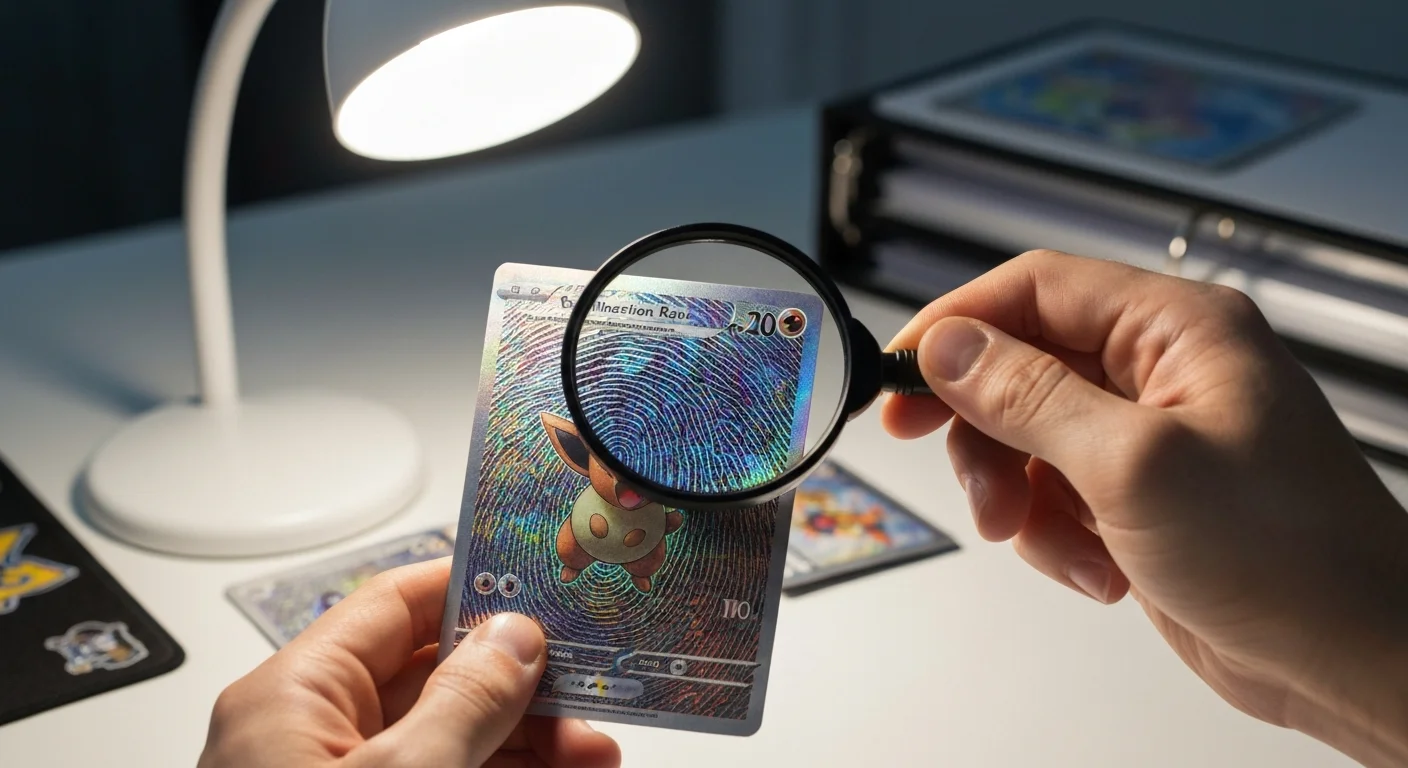
Identifying an SIR card requires checking a few key design elements on the physical card. The Pokémon Company standardized these markers to prevent confusion among players and collectors who navigate the dozens of cards pulled from booster packs. By looking at the card structure, texture, and rarity symbols, you can instantly determine if you have pulled one of these highly coveted items.
The most reliable indicator of an SIR card is located in the bottom-left corner of the card face. Here, you will find the set code, card number, and rarity symbols. While standard Rare cards feature a single black star and Double Rares (standard Pokémon ex) display two black stars, Special Illustration Rares are marked with exactly two gold stars. This double gold star symbol is exclusive to the SIR category and some premium Trainer cards within the same rarity tier.
In addition to the double gold star symbol, SIR cards possess a distinct physical texture. When you run your finger gently across the surface of the card, you will feel intricate, raised ridges that follow the contours of the artwork. This fingerprint-like texture is a premium security and aesthetic feature. It differentiates genuine high-rarity cards from flat, non-textured counterfeits. Furthermore, the holographic foil on an SIR card is highly dynamic, catching the light in a rainbow spectrum that highlights specific sections of the custom artwork rather than coating the entire card in a uniform shine.
The Market Value and Collectibility of SIR Pokémon Cards
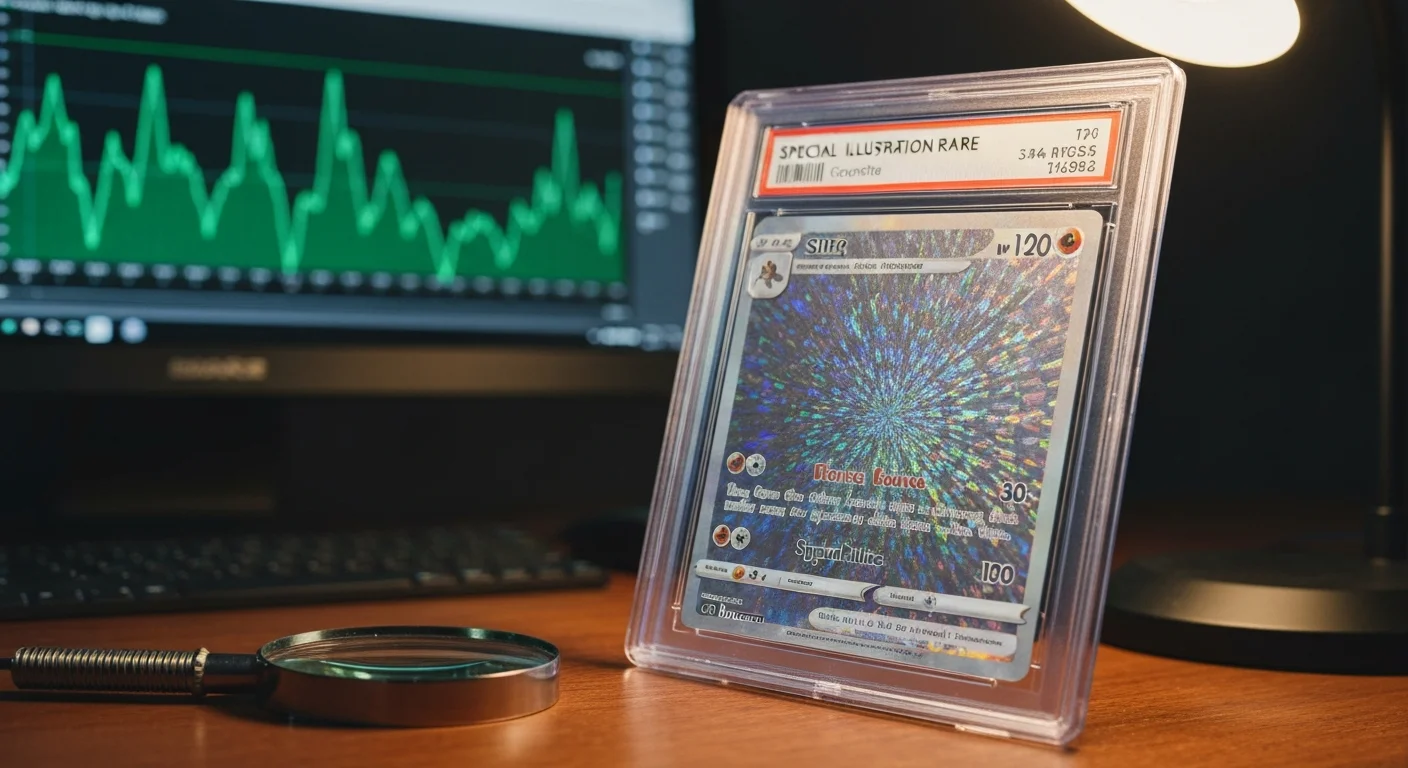
The secondary market value of Special Illustration Rare cards remains incredibly strong in 2026. Because these cards are the primary chase targets for collectors attempting to build complete master sets, demand consistently outpaces supply. While a standard holographic rare card might sell for less than a dollar, an SIR card routinely commands premium prices. Depending on the popularity of the featured Pokémon and the card’s competitive viability in the active meta, raw near-mint copies generally trade in the range of $40 to $250.
According to market data compiled by the TCGplayer marketplace, legendary creatures and fan-favorite starters like Charizard, Mew, and Greninja command the highest premiums. For instance, the Charizard ex SIR from the Obsidian Flames expansion or the Bubble Mew ex from Paldean Fates have historically maintained values well above the $100 threshold. In contrast, less popular Pokémon featured on SIR cards may stabilize between $20 and $40, making them highly accessible for budget-conscious collectors who still appreciate elite artwork.
The premium valuation of these cards is also tied to their international appeal. In Japan, these cards are referred to as Special Art Rares (SAR). While the naming convention differs, the cards share the exact same artwork. Serious collectors often cross-reference prices between English and Japanese releases, as Japanese print runs occasionally feature tighter quality control and deeper texture stamping, making them highly sought after by condition-focused investors.
Comparison of Modern Pokémon Card Rarity Tiers
To understand where Special Illustration Rares sit within the broader TCG ecosystem, it is helpful to compare them directly to other modern rarity tiers. The following table highlights the differences in symbols, physical characteristics, and average market valuations for cards found in modern booster packs.
| Rarity Tier | Symbol / Icon | Visual & Tactile Features | Average Price Range (Raw NM) |
|---|---|---|---|
| Double Rare (ex) | Two Black Stars | Standard holographic foil, glossy finish, double-border design. | $1.00 – $8.00 |
| Ultra Rare | Two Silver Stars | Full-art design, solid color or simple gradient backgrounds, light texture. | $3.00 – $15.00 |
| Illustration Rare (IR) | One Gold Star | Full-bleed custom artwork, non-ex Pokémon, textured foil surface. | $5.00 – $35.00 |
| Special Illustration Rare (SIR) | Two Gold Stars | Elite full-bleed custom artwork, ex Pokémon or Supporters, heavy texture. | $30.00 – $250.00+ |
| Hyper Rare (Gold) | Three Gold Stars | Monochromatic gold color scheme, heavy texture, gold borders. | $10.00 – $50.00 |
The Difference Between Illustration Rares and Special Illustration Rares
A common point of confusion for those who are new to modern card collecting is the difference between an Illustration Rare (IR) and a Special Illustration Rare (SIR). Both tiers feature beautiful, borderless artwork that spans the entire card, and both feel textured to the touch. However, they are distinct classes with vastly different pull rates and market values.
The primary difference lies in the card’s gameplay classification and the rarity symbol. Illustration Rares feature regular, non-ex Pokémon. These might be basic, stage one, or stage two evolutionary forms that do not possess the high-powered “ex” mechanic. These cards are marked with a single gold star. Because they are easier to pull from booster packs, they generally carry lower price tags, usually ranging from $5 to $35.
Conversely, Special Illustration Rares are reserved exclusively for major Pokémon ex, Legendary Pokémon, and high-profile Supporter/Trainer cards. These cards feature the double gold star symbol. According to extensive box-opening data compiled by PokeBeach, the pull rate for an SIR is roughly three to four times more difficult than pulling a standard Illustration Rare. This extreme scarcity, combined with the competitive power of the ex cards themselves, explains why SIRs command a massive financial premium over standard IR cards.
Expert Tips for Handling, Grading, and Valuing Your Rare Cards
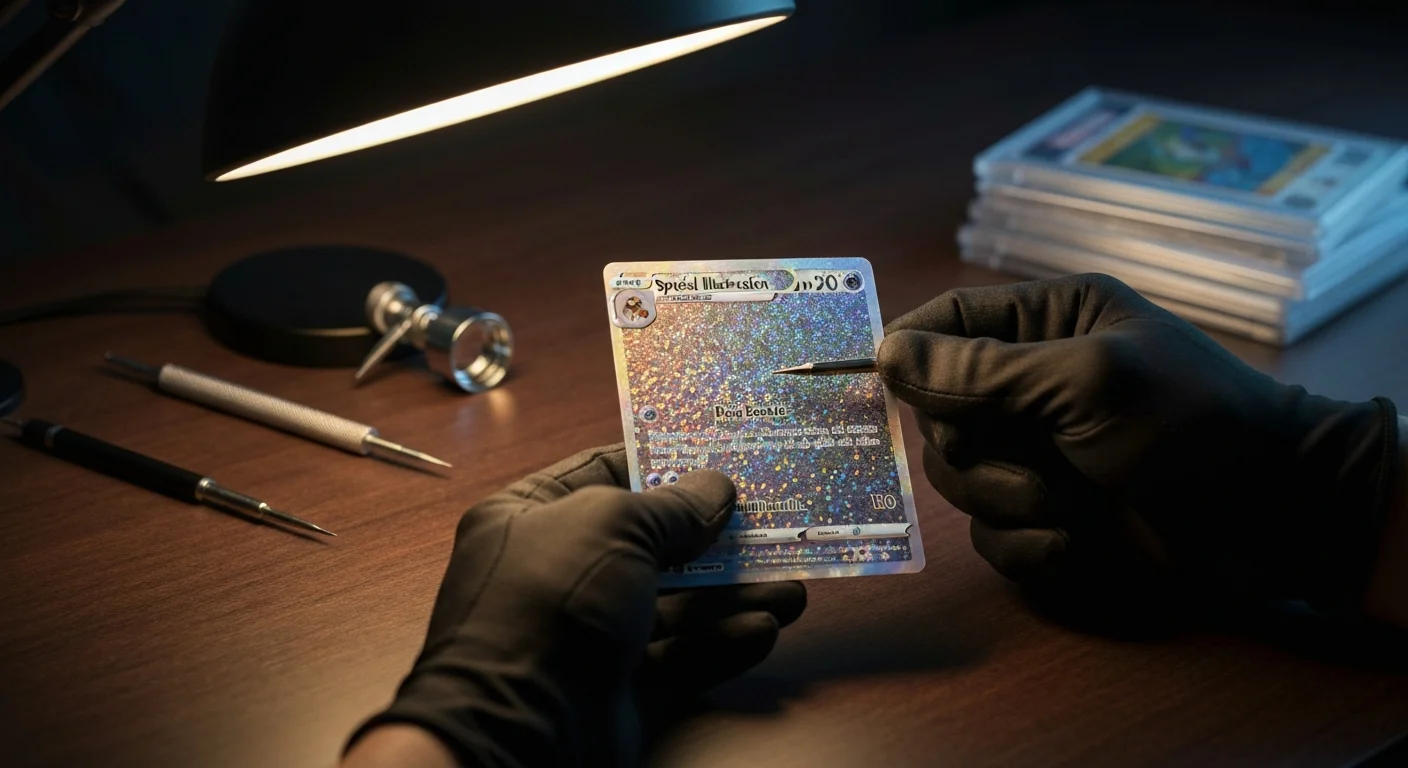
As experienced collectibles professionals, we have seen firsthand how minor handling mistakes can decimate the value of a high-end card. The unique micro-etched surface of an SIR card makes it particularly vulnerable to physical damage. If you are lucky enough to pull one of these cards from a booster pack, taking immediate preservation steps is essential to protecting your investment.
- Avoid Direct Finger Contact: The natural oils on your skin can transfer to the textured surface of the card, potentially causing dullness or discoloration over time. Always handle premium cards by their edges.
- Use a Dual-Sleeve System: Place the card gently into an acid-free, archival-safe penny sleeve first. After the card is in the penny sleeve, slide it into a rigid top loader. Placing a bare card directly into a hard plastic top loader can scratch the delicate textured foil.
- Store in a Stable Environment: Keep your collection away from direct sunlight, extreme temperature changes, and high humidity. Humidity can cause holographic cards to warp or curl, a condition known as “foil cupping.”
- Verify Authenticity Early: Fake cards are highly prevalent in the secondary market. If you are buying from unverified sources, check the texture pattern and spelling. You can read our detailed guide on how to spot fake Pokémon cards to protect yourself from counterfeit listings.
- Consider Professional Grading: If your SIR card is perfectly centered and free of scratches, sending it to a professional grading company can significantly increase its value. Understanding how PSA grading works will help you evaluate whether your card is a candidate for a Gem Mint 10 rating.
If you want to realize the cash value of your collection without navigating the risks and fees of online marketplaces, we can help. Our experienced team provides professional appraisals and clear explanations of card values. If you are ready to sell, you can easily sell Pokemon cards to us for a fair, competitive price through a fast, transparent process.
Evaluating Population and Long-Term Investment Trends
When analyzing the long-term investment viability of Special Illustration Rare cards, the data suggests a highly stable outlook. In the past, older generations of rare cards suffered from extreme price volatility due to erratic print runs. However, modern collecting habits have changed. Because collectors and players are highly educated on card protection, a large percentage of modern SIR cards are preserved in excellent condition from the moment they are pulled.
This preservation rate is reflected in the official PSA Population Report, which shows a high volume of modern SIR cards receiving grades of PSA 9 or PSA 10. While some investors fear that this high supply of top-grade cards could suppress future values, the sheer size of the global Pokémon fanbase continues to provide a strong safety net. Demand from complete-set collectors remains incredibly high. Unlike vintage cards where value is driven purely by condition scarcity, modern SIR value is heavily supported by the aesthetic demand for the specific artwork. This artistic appeal makes these cards highly resilient to market downturns, securing their status as the premier collectible assets of the modern era.
FAQ
What does SIR mean in Pokémon cards?
SIR stands for Special Illustration Rare. This is a premium rarity tier introduced in the Scarlet & Violet era of the Pokémon TCG, featuring full-art, textured designs with a double gold star symbol.
How rare is a SIR Pokémon card?
Special Illustration Rare cards are highly scarce, with average pull rates estimated at approximately 1 in 80 to 1 in 150 booster packs. This makes them the hardest pull-rate cards to find in modern sets outside of hyper-rare gold cards.
Can Trainer cards be Special Illustration Rares?
Yes, Trainer cards, specifically Supporters, can be designated as Special Illustration Rares. These cards feature highly detailed, full-art scenes depicting the characters in unique settings and are marked with the signature double gold star icon.
Is a Japanese SAR card the same as an English SIR card?
Yes, they are the same rarity tier. The term SAR stands for Special Art Rare in Japanese sets, which corresponds directly to the Special Illustration Rare (SIR) classification used in English-language releases.
How do I know if my SIR card is fake?
Real SIR cards feature a distinct, fingerprint-like texture that you can feel when running your finger across the surface. Fake cards are almost always completely flat, glossy, or have a cheap vertical rainbow sheen without any physical texture ridges.
What is the most expensive SIR Pokémon card?
While values fluctuate based on market demand, top-tier SIR cards like the Charizard ex from Obsidian Flames and the Greninja ex from Twilight Masquerade routinely rank among the most expensive raw cards in the modern era, often trading for well over $150 to $200.