
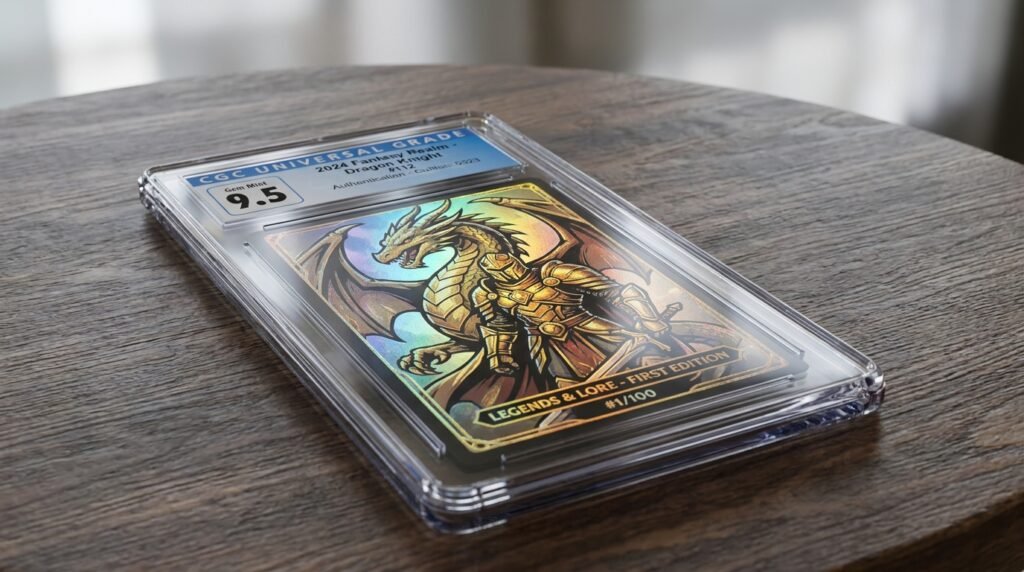
For collectors seeking precise authentication and a distinct aesthetic for their prized trading cards, CGC (Certified Guaranty Company) card grading presents a compelling option, particularly for modern TCGs like Pokémon and Magic: The Gathering. Opt for CGC if your priority is a detailed half-point grading scale, a visually striking fully-clear slab, and the prestige associated with their top-tier Pristine 10 designation. While PSA remains the market leader for overall liquidity and BGS for its specific appeal to subgrade enthusiasts, CGC has rapidly established itself as a formidable contender, offering a robust alternative for those who value granular condition assessment and a strong presence within the trading card game community. Collectors should consider CGC for high-value cards they believe are near-perfect, as their stringent grading standards and the rarity of their top grades can significantly enhance a card’s market perception and value.
Key Takeaways
- CGC employs a precise 1-10 grading scale with half-point increments, offering detailed condition assessment.
- The distinction between CGC’s Pristine 10 and Gem Mint 10 provides an added tier of rarity and prestige for top-condition cards.
- CGC’s transparent, ultrasonically welded slab offers superior clarity and protection, appealing to display-focused collectors.
- The submission process involves careful pre-screening, cleaning, and secure packaging to maximize grading potential.
- Evaluating current market trends for CGC-graded cards is crucial for collectors considering grading for investment purposes.
The Rise of CGC in the Collectibles Market
The Certified Guaranty Company (CGC) has swiftly emerged as a dominant force in the authentication and grading of trading cards, building on its established legacy within the comic book industry. Originating as a division of the Certified Collectibles Group (CCG), a company renowned for grading comics since 2000, CGC brought a wealth of experience in rigorous authentication and secure encapsulation to the burgeoning card market. This foundational expertise allowed CGC to quickly gain trust and market share, establishing itself alongside long-standing giants like PSA and BGS. Their expansion into trading cards was a strategic move, leveraging a proven methodology to meet the increasing demand for verified collectibles.
CGC’s growth has been particularly pronounced within the Trading Card Game (TCG) community. Enthusiasts of games such as Pokémon, Magic: The Gathering, and Yu-Gi-Oh! have embraced CGC grading due to its detailed half-point scale, which offers a more granular assessment of a card’s condition compared to PSA’s whole-number system. The company’s commitment to consistent standards and its distinctive slab design have resonated with collectors who seek both precision and aesthetic appeal. According to market analysts, the global collectibles market, encompassing various categories including trading cards, was valued at approximately $412 billion in 2023, reflecting a robust environment where professional grading services like CGC play a pivotal role in validating and enhancing asset value. This significant market size underscores the importance of reputable grading services in establishing confidence and liquidity for high-value items.
Understanding CGC’s Detailed Grading Scale and Criteria
CGC uses a comprehensive 1 to 10 grading scale, featuring half-point increments to provide an exceptionally precise assessment of a card’s condition. This nuanced approach allows collectors to distinguish between cards that might receive the same whole-number grade from other services, offering a clearer understanding of subtle condition differences. At the pinnacle of this system are two distinct “10” grades: the Pristine 10 and the Gem Mint 10, each signifying an elite level of preservation but with differing levels of perfection.
The CGC Pristine 10 is the ultimate achievement, assigned only to cards that are flawless even under 10x magnification across all four grading criteria: centering, corners, edges, and surface. These rare cards receive a distinctive gold label and command the highest premiums in the market. Just below this is the CGC Gem Mint 10, an exceptional grade indicating a card that is virtually flawless to the naked eye, exhibiting only the most minor allowable imperfections under close scrutiny. While still an elite grade, it doesn’t meet the absolute perfection demanded of a Pristine 10. (It is worth noting that CGC previously offered a “Perfect 10” grade, which has since been retired; cards with this label from prior submissions can be recognized as the highest tier from that era).
The four fundamental criteria CGC graders meticulously evaluate are:
- Centering: This refers to how evenly the card’s image is positioned within its borders. CGC measures centering as a percentage ratio (e.g., 60/40), with higher grades awarded for tighter, more symmetrical centering on both the front and back of the card.
- Corners: Graders examine each of the four corners for any signs of wear, such as rounding, fraying, dings, or material loss. Sharp, crisp corners are essential for high grades.
- Edges: The condition of all four edges is assessed for chipping, rough cuts, nicks, or other inconsistencies. Clean, smooth edges without breaks in the card stock are highly valued.
- Surface: This encompasses the overall integrity of the card’s front and back surfaces. Graders look for scratches, print lines, indentations, staining, loss of gloss, or any other imperfections. For holographic or textured cards, the unique characteristics of these finishes are also considered.
Each of these criteria contributes significantly to the final grade, with even minor flaws in one area potentially reducing the overall score. This comprehensive approach ensures that the assigned grade is a holistic representation of the card’s condition. While CGC previously offered optional subgrades for each criterion, this feature has been discontinued on new submissions to streamline the labeling process, providing a single, universally recognized overall grade.
Preparing Your Collectibles for CGC Submission
A meticulous preparation process is paramount to maximizing the potential grade of your cards and ensuring a smooth submission experience. Neglecting pre-screening and proper handling is a common professional mistake that can lead to disappointing results or unnecessary grading fees for cards unlikely to achieve high grades. Before even considering submission, thoroughly inspect each card under strong, consistent lighting, preferably with magnification, to identify any subtle flaws that might impact its grade. This includes hairline scratches, minor print defects, or slight corner wear that might be invisible to the naked eye.
Once you have identified cards worthy of submission, proper cleaning and protection become critical. Always handle cards by their edges to avoid transferring oils or dirt from your fingers. For surface imperfections, use a clean, dry microfiber cloth to gently wipe away dust or smudges. Avoid using any liquid cleaners or abrasives, as these can irreversibly damage the card’s surface. After cleaning, immediately place each card into a clean, penny-sized soft sleeve, then slide it into a rigid card saver or top-loader. These protective layers prevent damage during handling and shipping, maintaining the card’s condition until it reaches the grading facility.
An expert recommendation is to always research the current market value of your raw cards before submission. Tools like eBay “sold listings,” TCGPlayer, or specific price guide websites can offer insights into the ungraded value, helping you determine if the potential increase in value from a high CGC grade justifies the grading cost. For instance, a common modern card typically selling for $5-$10 raw might not warrant a $20+ grading fee, even if it could grade as a Gem Mint 10. Focus your grading efforts on cards with a significant raw value or those holding strong personal sentiment. Comic Buying Center provides professional appraisals and clear explanations for various collectibles, helping you understand the true value of your items before making such decisions.
The CGC Grading Process: From Submission to Slab
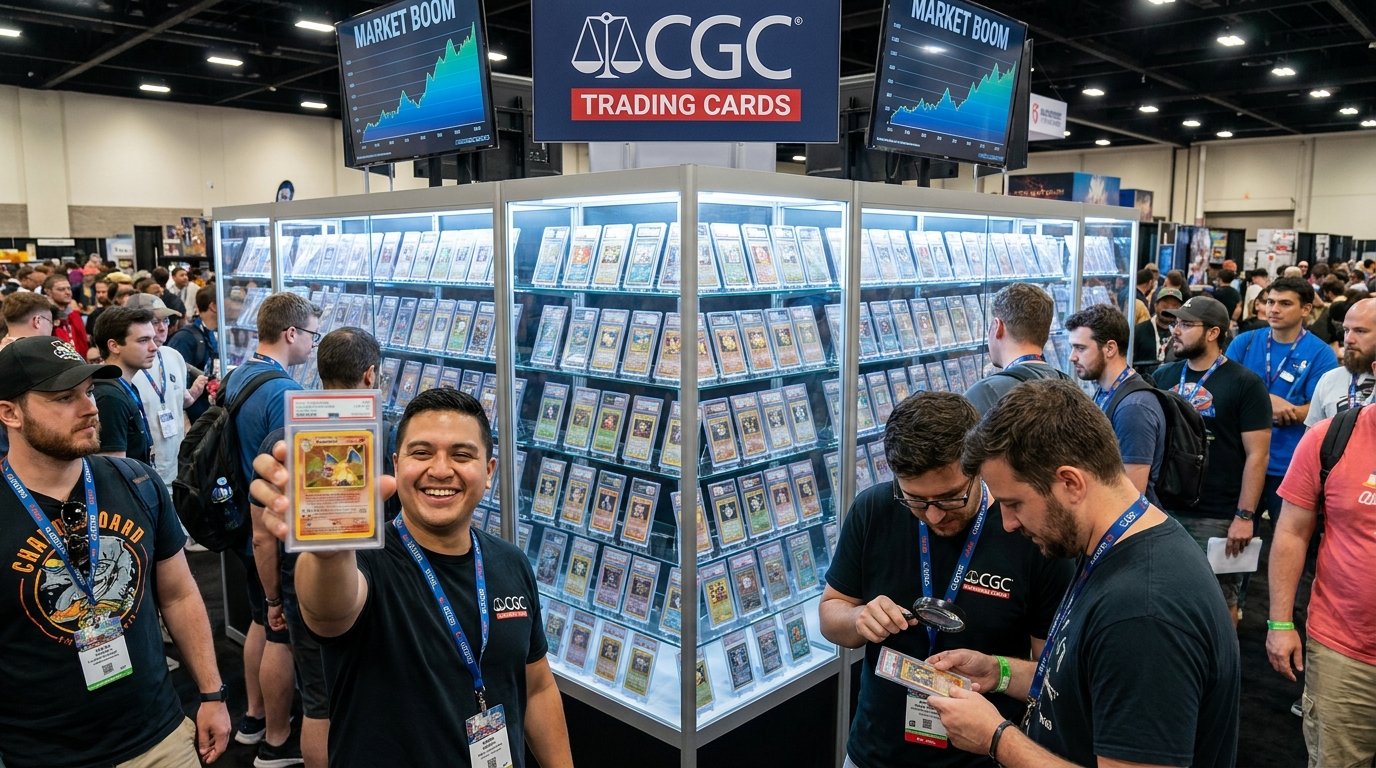
Once your cards are carefully prepared and submitted, they embark on a multi-stage process designed to ensure accurate authentication, meticulous grading, and secure encapsulation. Understanding this journey can demystify the turnaround times and reinforce confidence in the final product. The first step involves careful receipt and initial authentication. Upon arrival at the CGC facility, each submission is logged, and the cards are authenticated to verify their legitimacy. This initial check helps identify any counterfeit items, protecting the integrity of the graded population.
Following authentication, the cards proceed to the grading room, where a team of expert graders, often working independently, assesses each card across the four core criteria: centering, corners, edges, and surface. To maintain objectivity and consistency, multiple graders typically evaluate a card before a consensus grade is determined. This multi-tiered review process is a cornerstone of CGC’s quality control, minimizing individual bias and ensuring that the assigned grade reflects a collective expert opinion. Throughout this stage, cards are handled with extreme care in controlled environments to prevent any further damage.
The question of “how long does CGC grading take” is a common one, and the answer varies significantly based on several factors, primarily the chosen service tier and current submission volumes. Economy or bulk tiers typically have the longest turnaround times, which can range from several weeks to a few months, whereas Express or higher-value tiers offer expedited services, potentially returning cards within days or weeks. For instance, an economy submission might take 60-90 business days, while an express submission could be 5-10 business days. These figures are illustrative; CGC regularly updates its estimated turnaround times on its official website, and collectors should always consult the most current information there before submitting. Factors like declared value, card type, and any special requests can also influence the overall timeline. Once graded, cards are encapsulated in CGC’s distinctive, ultrasonically welded, fully clear holders, then undergo a final quality check before being securely packaged for return shipping.
CGC vs. Competitors: A Comparative Overview

In the competitive landscape of card grading, CGC stands out with distinct features that differentiate it from industry stalwarts like PSA and BGS. Each service caters to specific collector preferences and market segments, making a direct comparison essential for informed decisions.
| Feature | CGC (Certified Guaranty Company) | PSA (Professional Sports Authenticator) | BGS (Beckett Grading Services) |
|---|---|---|---|
| Grading Scale | 1-10 with half-point increments | 1-10 with whole numbers | 1-10 with half-point increments |
| Top Grade | Pristine 10 (Gold Label) & Gem Mint 10 | Gem Mint 10 | Black Label 10 (all subgrades 10) & Pristine 10 |
| Subgrades | No longer offered for new submissions | Not available | Standard (4 categories: Centering, Corners, Edges, Surface) |
| Market Perception | Strong and growing, particularly in TCGs | Highest liquidity, broadly accepted across all collectibles | Strong in high-end sports cards, known for detailed subgrades |
| Slab Design | Ultrasonically welded, fully clear, slightly thicker | Standard encapsulation, frosted/semi-opaque edges | Standard encapsulation, slightly frosted edges |
| Primary Strength | Precision grading, clear slabs, TCG focus | Market liquidity, broad acceptance, recognized standard | Detailed subgrades, high-end sports, chase for Black Label |
CGC’s primary advantage lies in its half-point grading scale, offering a level of precision that appeals to collectors who value a nuanced assessment of their cards. This granularity can be particularly impactful for modern cards where condition differences are often subtle. The company has also cultivated a robust reputation within the TCG community, making a CGC-graded Pokémon card or Magic: The Gathering card highly recognizable and sought after. Its ultrasonically welded, fully transparent slab design is another significant draw, providing an unobstructed view of the card and a premium feel, which is favored by collectors who prioritize display aesthetics.
In contrast, PSA holds the undisputed lead in market liquidity and broad acceptance, often fetching the highest prices for comparable grades, especially for vintage items. BGS, while also using a half-point scale and offering subgrades, has carved out its niche primarily in high-end sports cards, with its elusive “Black Label 10” being the ultimate chase for perfectionists. While PSA’s grading is often considered less strict than BGS or CGC on certain criteria, its market dominance makes it a safe bet for general resale. Ultimately, the choice among these top-tier services often comes down to the specific type of card, desired level of grading detail, and the collector’s long-term objectives for the item.
Maximizing the Value of Your Graded Cards
Acquiring a high grade from CGC can significantly enhance the market value and collectibility of your trading cards, but understanding how to maximize this value requires insight into market dynamics. A CGC-graded card, especially one achieving a Pristine 10 or Gem Mint 10, typically commands a substantial premium over its raw, ungraded counterpart. This premium is due to the authentication, condition guarantee, and secure encapsulation provided by a reputable third-party grader. However, not all graded cards realize the same appreciation; market perception and liquidity play crucial roles.
For investment purposes, it is vital to focus on key cards that already possess inherent value due to their rarity, iconic status, or historical significance. A common card, even if graded a Pristine 10, may not see the same percentage increase in value as a rarer, more sought-after card at the same grade. The market for CGC-graded cards, particularly within TCGs, has shown strong growth. For instance, while a 1st Edition Charizard card might fetch hundreds of thousands in a PSA 10 slab, a comparable CGC 10 could also command a significant sum, demonstrating CGC’s rising legitimacy and desirability.
An expert tip is to always verify current market trends for graded cards before making significant investment decisions. The collectibles market is dynamic, and values can fluctuate. Use platforms like auction sites, price guides, and specialized forums to track recent sales of CGC-graded cards similar to yours. This due diligence helps you understand realistic market expectations and avoid overestimating potential returns. Furthermore, consider that while a high grade can be a strong selling point, some collectors prioritize a specific grading service or even prefer raw cards for personal collection or future submission elsewhere. Therefore, aligning your grading choice with your target audience can also help maximize your card’s appeal and value.
Steps for Submitting Your Cards to CGC
Submitting cards to CGC requires a systematic approach to ensure safety, accuracy, and efficiency. Following these steps can help streamline your experience and avoid common pitfalls.
- Review CGC’s Current Services and Pricing: Visit the official CGC Cards website to understand their current grading tiers, turnaround times, and pricing. These details can change based on demand and declared value.
- Select Your Cards and Pre-Screen Thoroughly: Carefully examine each card you intend to submit for any imperfections. Use magnification to identify flaws that might impact the grade. Prioritize cards that are in excellent condition and have a significant raw market value.
- Clean and Protect Your Cards: Gently clean card surfaces with a dry microfiber cloth. Place each card into a clean, appropriately sized soft sleeve (e.g., penny sleeve) and then secure it in a semi-rigid card saver or a top-loader. Ensure no dust or debris is trapped.
- Create an Online Submission Form: Log into your CGC account and complete the online submission form. This will require details about each card (set, card number, name, declared value) and your chosen service tier. Double-check all information for accuracy.
- Package Your Cards Securely: Pack your sleeved and card-saved items snugly in a sturdy box, ensuring they cannot shift during transit. Use padding material like bubble wrap. Include a printout of your submission form inside the box.
- Ship Your Submission: Choose a reputable shipping carrier (e.g., USPS, FedEx, UPS) and select a shipping method that includes tracking, insurance, and signature confirmation. This protects your valuable assets throughout the shipping process.
FAQ
What is CGC Universal Grade?
The CGC Universal Grade is the standard blue label assigned to cards that exhibit no evidence of alteration or restoration. This grade indicates that the card is authentic and its condition has been assessed based on its original factory state, without any modifications or repairs. It represents the vast majority of graded cards.
How long does CGC grading typically take?
The time CGC grading takes varies significantly based on the chosen service tier (e.g., Value, Standard, Express) and current submission volumes. Economy services can range from several weeks to a few months, while expedited tiers may return cards within days or weeks. Always consult the official CGC Cards website for the most up-to-date estimated turnaround times.
Which types of cards does CGC grade?
CGC grades a wide array of non-sports and sports trading cards, with a strong focus on Trading Card Games (TCGs) such as Pokémon, Magic: The Gathering, and Yu-Gi-Oh! They also grade various sports cards and other collectible card sets. Their expertise spans vintage and modern cards alike.
Is CGC grading worth it for all cards?
No, CGC grading is not worth it for all cards. It is generally recommended for cards that are in excellent condition and hold significant raw market value, or those with strong sentimental value. Grading low-value or heavily damaged cards is usually not cost-effective, as the grading fees will likely exceed any potential increase in value.
Can I get my CGC card re-graded?
Yes, you can submit a CGC-graded card for re-grading. Collectors often choose to do this if they believe their card was initially graded too harshly, or if they prefer the newer label design without subgrades. CGC will re-evaluate the card, and a new grade may be assigned, potentially resulting in a higher, lower, or same grade.
How does CGC compare to PSA for Pokémon cards?
For Pokémon cards, CGC offers a half-point grading scale and a transparent slab, appealing to collectors who desire granular condition assessment and a distinctive display. PSA, on the other hand, provides a whole-number scale and commands higher market liquidity and broader acceptance, often resulting in higher resale values for comparable grades due to its long-standing industry dominance. Each service has a dedicated following within the Pokémon community.