
Why Start Collecting Pokemon Cards?
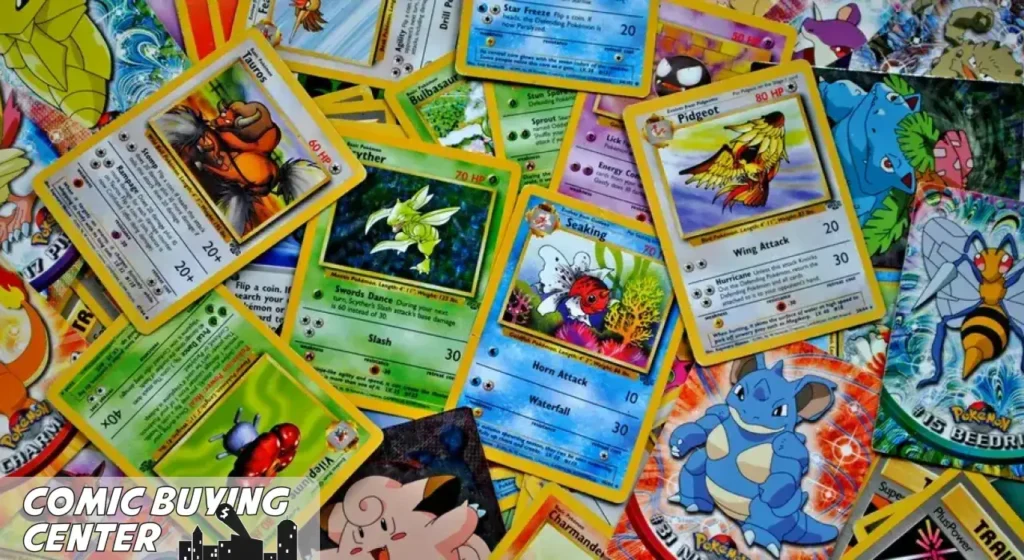
Pokemon is one of the biggest and most successful franchises in the world. It spans dozens of video games, animated series, movies, mobile apps, merchandise lines, and one of the largest and most active trading card games on the planet. And the scale matters. When a brand stays relevant for literal decades (more than 30 years at this point), the collectibles tied to it usually stay relevant too.
Even regular booster packs, the kind you can buy for a relatively small price, sometimes contain cards worth hundreds or even thousands of dollars. That possibility alone keeps collectors excited. But beyond the dopamine rush after finding a gem, the constant flow of new sets, tournaments, promos, and global events keeps interest alive year after year.
Because Pokemon keeps evolving, older cards don’t just disappear into history. Some hold value steadily, and certain rare ones even increase over time, almost like fine wine aging. Popularity plus scarcity is a strong combination. If you don’t know how to start collecting pokemon cards but want to try, this pokemon card collecting guide is for you!
*This article in its entirety is for informational and entertainment purposes only. It is not financial advice, and we are not certified financial advisors. Any decisions to buy, sell, or invest in collectibles in any form or scale are your own responsibility!
Pokemon Card Types, Rarity, Value: What Every Collector Needs to Know
Pokemon card collecting for beginners may be a bit complicated because there are literally dozens of thousands of cards, many rules, types, etc. So understanding basics is important. Pokemon cards are released in sets (full releases), and each set can include different “chase” cards and rarity tiers. The quickest way to understand value is to learn the rarity symbol printed near the bottom of the card: circle = common, diamond = uncommon, star = rare, etc.
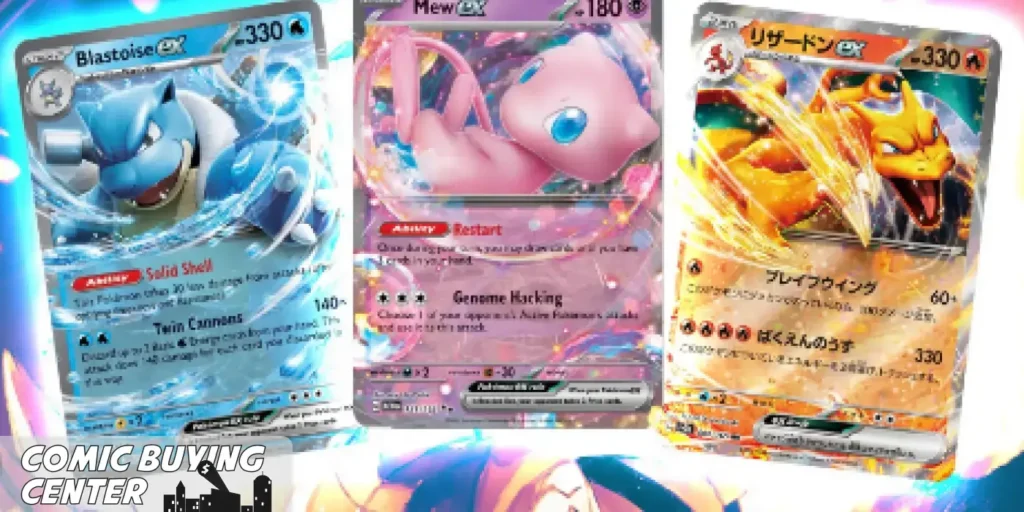
In the modern Scarlet & Violet era, rarity gets more detailed. You’ll see symbols like two black stars (often used for certain powered-up cards), two silver stars (ultra rare), and gold stars for the art-focused tiers (illustration rare, special illustration rare, and hyper rare).
One more trick collectors use: check the card number; if it exceeds the set’s stated total (e.g., 201/200), it’s usually a “secret” style card, which can boost demand.
What Makes a Card Valuable?
- Rarity and pull rates. Commons, uncommons, and rares are marked by a circle/diamond/star, and harder-to-pull cards usually cost more.
- Promos and limited releases. Promo cards often come from special events or specific products rather than standard packs, so the supply can be much smaller.
- Old sets and nostalgia. Early-era cards are much harder to find in clean shape because many were played with, traded, or stored poorly.
- Grading and trust. PSA grading adds authentication and a standardized condition score, both of which are highly valued by potential buyers. High grades can raise prices a lot, but even a mid-grade card can still be expensive if it’s truly rare.
Card Categories: Common, Rare, Holo, Special & More
- Common. The most frequent cards in a set are marked with a black circle.
- Uncommon. A bit harder to pull than commons, marked with a black diamond.
- Rare. The classic “rare slot” in a pack, marked with a black star.
- Holo Rare. A rare card with foil shine (still typically a star, but with holo treatment).
- Reverse Holo. Foil on most of the card, except the artwork (can appear across different rarities).
- Double Rare. In Scarlet & Violet, these use two solid black stars (often Pokemon ex).
- Ultra Rare. Higher-tier pulls like full-art Pokemon/ex or full-art Supporters (Scarlet & Violet uses clearer symbol rules for these tiers).
- Illustration Rare / Special Illustration Rare / Hyper Rare. Art-focused chase tiers in Scarlet & Violet, shown with gold star symbols (the flashiest pulls in many sets).
- Secret Rare. A card numbered beyond the set’s stated total (example: 201/200).
How to Start Your Pokemon Card Collection
So, the big question: how to start collecting pokemon cards? It’s honestly not that complicated. You can literally start by buying a booster pack and opening it. That’s how most collectors begin. It’s fun, simple, and gives you your first mix of commons, rares, and maybe something special, if you’re extra lucky.
After that, you’ll need a way to identify what you pulled. Rarity symbols (circle, diamond, star) help, but it’s smart to double-check values. You can use online forums, local card shops, price-tracking websites, or even apps. You can upload a photo to AI tools like ChatGPT or Gemini and ask what the card is worth. But don’t rely on AI alone! Small details (such as print variations or condition flaws) can significantly affect value.
If you want specific cards, buying singles from shops or marketplaces is easier, but usually more expensive, since you know exactly what you’re getting. For super high-end cards, auctions are common.
Before anything, set a budget and stick to it.
Here are some beginner essentials that can help if you already know some basics on how to collect pokemon cards:
- Penny sleeves (basic protection)
- Top loaders or a binder
- Storage box
- A soft playmat (optional, but useful)
Protect your cards early. That’s what keeps options open later.
Where to Buy Pokemon Cards Safely
So now you know a bit about how to get into pokemon card collecting, but where to buy those? You can buy Pokemon cards in a few reliable ways. Booster packs are the simplest option and are usually safest when purchased from major retailers or trusted local game stores. If you’re looking for specific cards, local card shops and well-known online marketplaces are solid choices. For higher-end cards, auctions are common, especially for graded copies.
To avoid fakes and scams, keep these tips in mind:
- Buy from sellers with strong reviews and a clear return policy.
- Compare the card to official images (font, colors, borders, holo pattern).
- Be cautious of prices that seem too good to be true.
- For expensive cards, consider graded copies from reputable grading companies.
- Ask for clear, close-up photos, especially of corners, edges, and the back.

Best Strategies for New Pokemon Card Collectors
- Set a goal and stick to it. Pick one lane: set collecting, one Pokemon, one era, or “cool art only.” Random buying is not the most reliable strategy.
- Learn the rarity basics first. Check the symbol: circle/common, diamond/uncommon, star/rare. It’s the quickest way to sort pulls without overthinking.
- Protect hits immediately. Sleeve first, then use a rigid holder (top loader). For higher-value cards, a sleeve and top loader are the standard beginner move.
- Don’t trust one price source. Compare a couple of recently sold listings/trackers before making any assumptions.
- Use AI only as a helper. It’s fine for quick ID, but it can miss tiny version details (and those details can change value a lot).
- Avoid fakes with a quick checklist. Watch for off colors, blurry text, wrong card feel/thickness, and suspiciously cheap deals. If something is too good to be true, it probably is.
- For expensive graded cards, check the slab. PSA has specific security/tamper signs to look for.
- Buy from platforms with buyer protection. Safer payments and dispute processes reduce risk.
Common Mistakes Beginners Make When Collecting Pokemon Cards
One of the biggest mistakes beginners make is not learning basic rarity tiers first. Not every card is valuable, and understanding the difference between common, uncommon, rare, holo, and higher chase tiers helps a lot. Another common issue is buying everything in sight. Without a clear goal, you’d just spend a lot of money with minimal results.
Many new collectors also wait too long to protect their cards. Sleeves and top loaders are inexpensive, but once a card is scratched or bent, the damage is done. Skipping grading is another mistake when it comes to higher-value cards. Like comic book grading, services such as PSA or Beckett provide valuable authentication.
Relying on just one price source is risky, and so is jumping on deals that look too good to be true. Finally, not setting a budget leads to overspending. Discipline matters more than hype in the long run.
Is Collecting Pokemon Cards Worth It?
It’s a tough question because Pokemon can be wildly unpredictable (if you’re not buying specific cards, that is). The simple answer is yes, it can be worth it – you might spend a few dozen bucks on a booster pack and pull a card worth hundreds or even thousands. But the opposite is also true. You can spend a lot of money and end up with mostly low-value cards if you’re buying randomly and chasing luck.
The longer answer is that it depends on what you learn first and what you want out of the hobby. If your goal is collecting pokemon cards for fun, almost any start is “worth it” because you’re enjoying it. If your goal is value, then your choices matter more: learning rarity, understanding condition, buying from safe sources, and sometimes choosing specific singles instead of gambling on packs. Even simple basics like how to organize pokemon cards can help, since better storage usually means better condition.
A lot of people also ask when Pokémon cards come out, and the hobby’s long history is part of what makes it still so strong today. If you are wondering, “Are our pokemon cards a good investment?” – I’d say it depends on the cards. Some cards grow a lot, others don’t, and luck alone is a risky plan. If you’re already sorting collectibles or looking to sell comic sell comic books too, it helps to treat everything like a collection first, not a guaranteed payoff. The choice is yours!