

For readers seeking a rapid, visually-driven serial narrative, a traditional comic book is the ideal choice, whereas those wanting a complete, complex story arc in a single volume should opt for a graphic novel. A comic book is a medium of visual storytelling that combines sequential art with textual elements like speech bubbles, captions, and onomatopoeia to convey a narrative. Understanding the structural differences between these formats helps collectors and casual readers alike target the exact reading experience they desire. While single-issue comics offer the thrill of monthly suspense and collectible potential, graphic novels provide a substantive, self-contained literary experience. Ultimately, choosing between these formats depends on whether your goal is long-term collecting, immediate episodic entertainment, or deep thematic engagement with a singular, novel-length story. Modern collectors and newcomers must recognize these formats to navigate the expansive pop culture landscape, ensuring they invest their time and money in the exact medium that matches their personal reading and investing preferences.
Key Takeaways
- Comics are a unique sequential art medium combining illustration and text to create visual narrative flow.
- Key comic formats include single-issue floppies, trade paperbacks, graphic novels, and digital webcomics.
- Preservation requires specialized archival materials like acid-free Mylar sleeves and backing boards to prevent paper yellowing.
- Value is determined by historical significance, rarity, character debuts, and independent third-party grading.
- The reading experience relies on visual grammar elements like panels, gutters, balloon styles, and page layouts.
Defining the Medium: What Is a Comic Book?
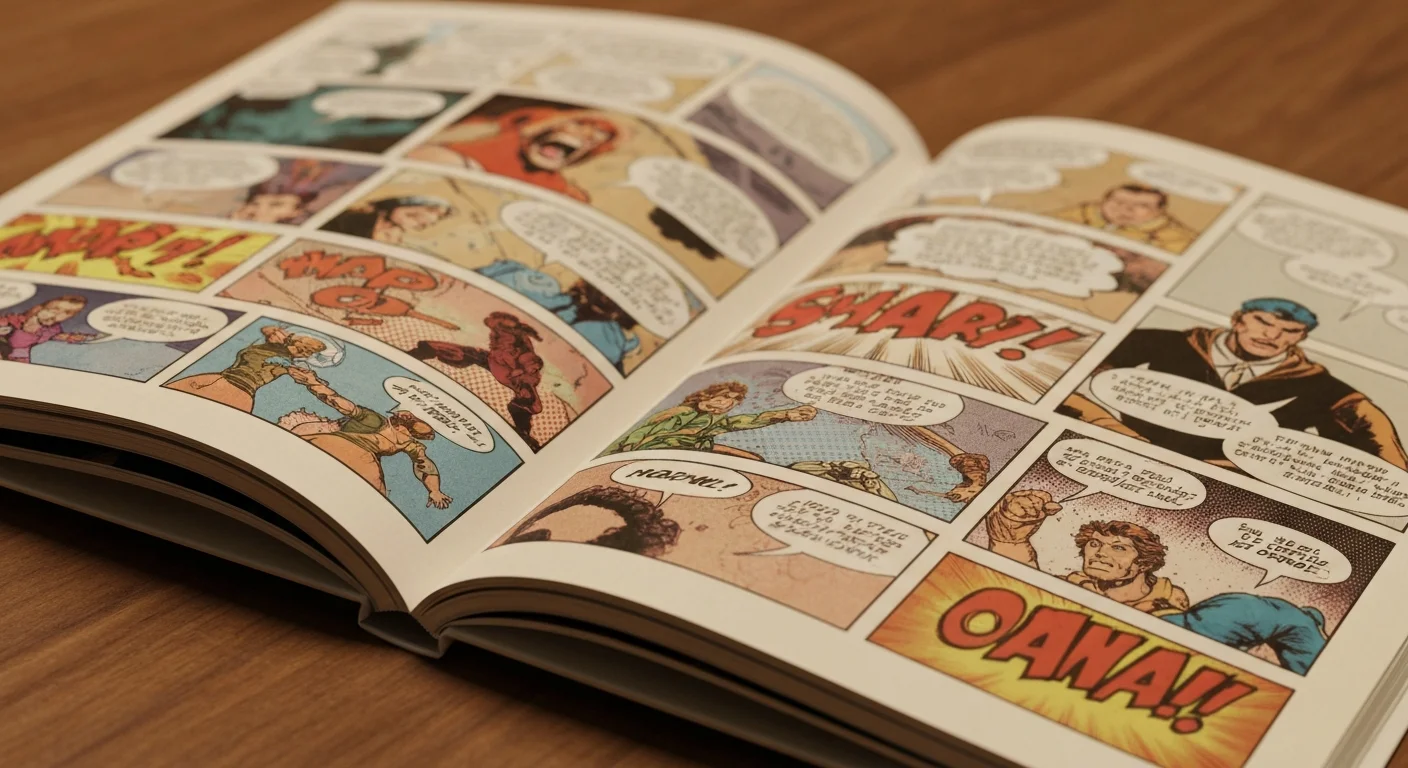
A comic book is a bound publication containing sequential art that forms a cohesive narrative. Unlike illustrated novels, where pictures merely support a written text, a comic book relies on the interaction between images and words to drive the plot forward. The images do not merely decorate the page; they contain vital narrative information, character emotion, and environmental context. This combination of art and text creates a unique vocabulary that readers interpret simultaneously.
The medium is often classified as sequential art, a term popularized by legendary comic artist Will Eisner. It occupies a distinct space between traditional literature and cinema. Like cinema, it is visual, relying on framing, pacing, and perspective to build a scene. Like literature, it is static and requires the reader to actively participate in the passage of time. When asking what is a comic, one must view it not as a genre, but as a highly adaptable medium capable of expressing any genre, from hard-boiled detective noir to historical biography.
While the medium originally grew out of newspaper comic strips, it has evolved into a highly respected artistic format. Modern creators use the layout of the page to manipulate time and space in ways that prose cannot duplicate. Whether printed on traditional pulp paper or presented digitally, the core definition remains the same. It is the deliberate arrangement of images in space to tell a story, spark an emotion, or convey a message.
The Anatomical Structure of What Are Comics
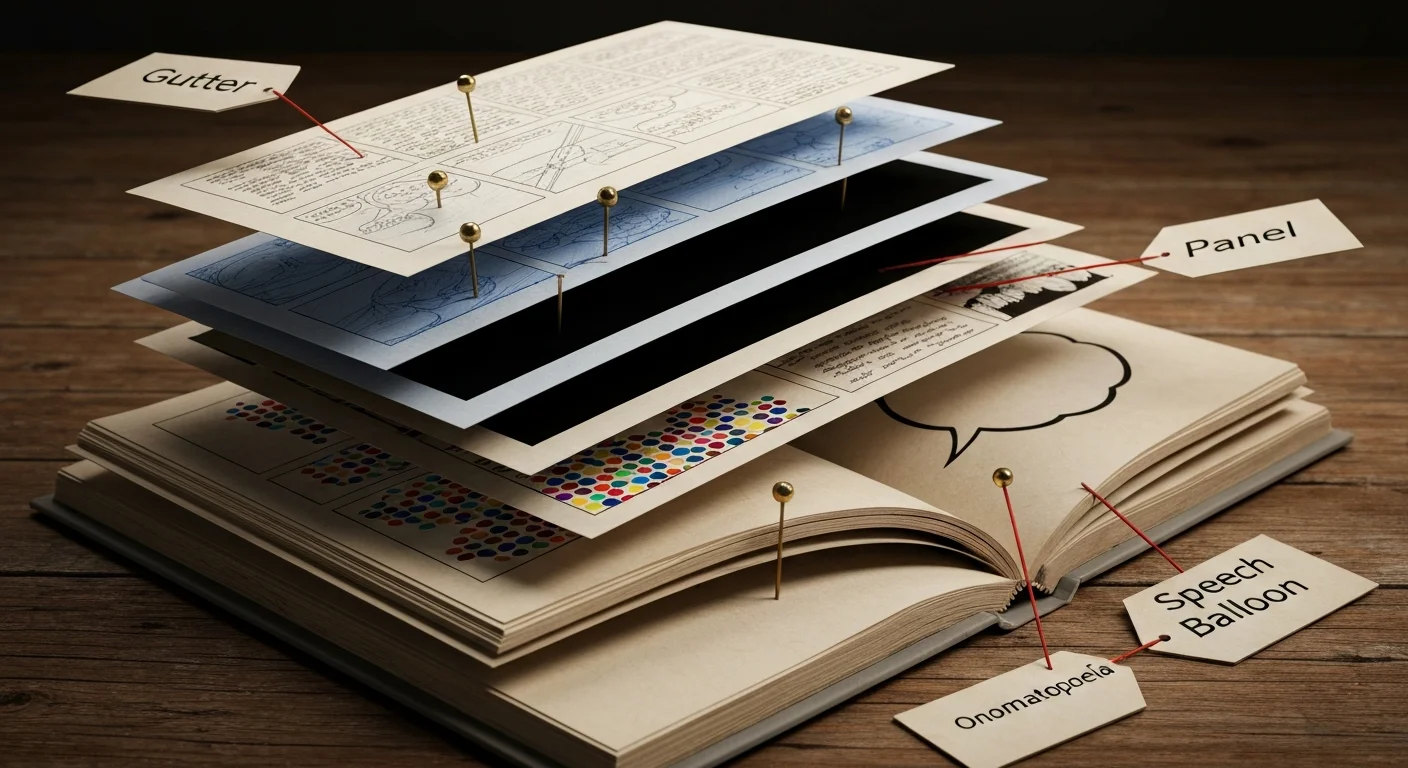
The layout of a comic page is a complex system of visual cues designed to guide the reader’s eye naturally across the story. To truly understand what are comics, you must understand their anatomy. The foundational unit of any comic book page is the panel, which is a single frame containing an individual scene or image. Panels are typically square or rectangular, but artists often alter their shapes, tilt them, or erase their borders entirely to evoke different feelings of tension, chaos, or freedom.
Between these panels lies the gutter, the blank space that separates the frames. The gutter is where the magic of sequential storytelling occurs. Because the human brain must bridge the gap between two static images, the reader performs a cognitive action called closure, imagining the movement or time that elapsed between the frames. To master this flow, learning how to read a comic book is an essential skill for getting the most out of every page.
Text is integrated into the artwork using several specific tools:
- Speech Balloons: Rounded shapes containing character dialogue, with a tail pointing directly to the speaker.
- Thought Balloons: Cloud-like shapes with small circular tails that reveal a character’s internal monologue.
- Captions: Square or rectangular boxes, often placed at the top or bottom of a panel, containing narrator commentary or setting details.
- Onomatopoeia: Stylized lettering that visually represents sound effects, such as “POW,” “BZZZ,” or “SNAP,” making the sound an active part of the artwork.
The Historical Eras of What Are Comic Books
The history of the medium is divided into distinct historical ages, each marked by changes in tone, printing quality, and subject matter. When examining what are comic books, historians look at these eras to understand how societal shifts influenced the stories on the page. The Golden Age of comics began in 1938 with the debut of Superman in Action Comics #1. This era was defined by patriotic heroes, clear-cut morality, and incredibly high print runs to satisfy a public seeking escape during World War II.
Following a post-war decline, the Silver Age emerged in 1956, revitalizing the medium with science fiction themes and more human, flawed characters, such as Spider-Man and the Fantastic Four. During this era, publishers introduced complex continuity, meaning events in one issue directly affected the next. A copy of Action Comics #1 graded at 8.5 sold for a record-breaking $6 million, as documented by the Certified Guaranty Company (CGC), demonstrating the immense asset class value of early Golden Age publications.
The Bronze Age brought darker, more socially relevant storylines, addressing issues like drug abuse, racism, and urban decay. This transitioned into the Modern Age in the mid-1980s, characterized by psychological depth, deconstructed superhero myths, and the rise of independent publishers. Today, the comic book market embraces a diverse mix of classic physical issues, premium graphic novels, and global digital formats, reflecting almost a century of artistic and cultural evolution.
Main Formats and Genres in Visual Storytelling
The comic book medium is highly versatile, utilizing several distinct publishing formats depending on the target audience and story scope. The most traditional format is the single-issue comic, often referred to as a floppy. These are thin, staple-bound booklets containing roughly 24 to 32 pages of story, usually published on a monthly schedule. They are highly episodic, ending on cliffhangers to keep readers coming back for the next installment.
For readers who prefer a complete reading experience, publishers offer trade paperbacks and graphic novels. A trade paperback is a softcover collection of several previously published single issues, compiled to present an entire story arc in one volume. A graphic novel, by contrast, is typically a standalone, book-length story published as a single continuous work. These formats are perfect for long-shelf-life placement in bookstores and libraries worldwide.
In the digital space, webcomics have exploded in popularity. These comics are created specifically for online reading, often designed to be read by scrolling vertically on mobile devices. They bypass traditional printing costs, allowing independent creators to reach massive audiences directly. This accessibility has broadened the range of genres, moving far beyond traditional superhero stories to include deep autobiographies, experimental horror, slice-of-life comedies, and complex political commentary.
Key Differences Between Comic Formats
To help you decide which physical format is right for your collection, reading style, or budget, it is helpful to compare their physical attributes, costs, and primary purposes. The table below outlines how the four primary comic book formats differ in practical use.
| Format Type | Average Page Count | Standard Price Range (USD) | Primary Target Audience |
|---|---|---|---|
| Single Issue (Floppy) | 24 to 32 pages | $3.99 to $5.99 | Collectors, weekly comic shop visitors, episodic readers |
| Trade Paperback (TPB) | 120 to 180 pages | $14.99 to $24.99 | Binge-readers, library patrons, casual readers wanting a full arc |
| Graphic Novel | 100 to 300+ pages | $19.99 to $39.99 | Literary fiction readers, bookstore shoppers, fans of standalone plots |
| Webcomic | Infinite vertical scroll | Free to $5.00/month (patronage) | Mobile readers, younger demographics, global indie art fans |
Expert Preservation Tips and Common Collector Mistakes

Preserving physical comic books is an active science that requires careful attention to environmental factors. Many amateur collectors make the mistake of storing raw comic books in cheap, PVC-laden plastic sleeves instead of acid-free archival Mylar. Over time, cheap plastics degrade, releasing harmful gases that accelerate paper decay, yellowing, and ink transfer. If you plan to preserve your collection for decades, investing in genuine Mylar bags and acid-free buffered backing boards is a non-negotiable step.
To keep your comics in pristine condition, you must follow structured preservation practices. The environment where you store your items directly affects their physical integrity over the years.
- Control the Climate: Keep your comic books in a cool, dry room. Avoid basements or attics where extreme temperature and humidity fluctuations occur.
- Eliminate Light Exposure: Ultraviolet light destroys pigments and yellows paper rapidly. Always store your bagged-and-boarded comics inside opaque, acid-free storage boxes.
- Avoid Tape Disasters: When opening a bagged comic, completely remove the tape from the flap. A single piece of loose tape can catch on the cover art and rip the paper, instantly ruining its value.
- Handle with Clean Hands: Wash and dry your hands thoroughly before touching raw books, or use clean cotton gloves to prevent skin oils from staining the paper fibers.
- Consult a Professional Guide: Use a trusted comic book price guide to track your inventory and identify valuable key issues that require professional grading.
According to the preservation standards outlined by the Library of Congress, cellulose paper degradation is highly sensitive to acid migration. When comic books are stored tightly together without protective barriers, the acid from one low-grade paper issue can migrate to adjacent books, causing widespread damage. Using high-quality backing boards acts as a buffer, absorbing these migrating acids and saving your collectible investment from chemical deterioration.
The Valuation and Appraisal of Rare Issues
The monetary value of a comic book is determined by several core factors: historical significance, rarity, character debuts, and physical condition. A comic that is graded 9.8 on a 10-point scale will command a massive premium over the exact same issue graded at a 6.0. Professional grading companies inspect comics under magnification, looking for minor color breaks, spine ticks, corner wear, and page discoloration before sealing the book in a tamper-proof protective plastic holder, often called a slab.
If you are planning to sell comic books or seek professional evaluations, understanding the market landscape is crucial. Navigating this process can be challenging, which is why utilizing professional resources or attending regional comic book conventions to connect with established dealers is highly beneficial. Knowing the difference between a common, dollar-bin comic and a rare, sought-after key issue will protect you from making costly mistakes when buying or selling your inventory.
According to historic market data compiled by Comichron, the combined market size for comic books and graphic novels in North America has historically surpassed $2 billion annually, showing that comics are not just a nostalgic pastime but a major commercial powerhouse. Whether you are holding a classic Golden Age hero debut or a modern independent print run, proper research and professional appraisals will ensure you receive fair value for your prized collection.
FAQ
What is the difference between a comic book and a graphic novel?
A comic book is typically a thin, episodic, monthly publication containing a single chapter of a larger, ongoing story. A graphic novel is a longer, standalone book that presents a complete narrative from start to finish in one bound volume.
How do you determine the condition of a comic book?
Condition is assessed using a 10-point grading scale that evaluates spine wear, page color, cover luster, and surface creases. Professional grading companies inspect these physical attributes under bright lights and magnification to assign an exact score.
Is it safe to store comics in cardboard boxes?
Yes, but you should only use acid-free, heavy-duty cardboard boxes specifically designed for comic storage. Standard shipping boxes contain high amounts of acid that can leak into the air and damage your books over time.
Which comic books are worth the most money?
The most valuable comic books are historically significant key issues from the Golden and Silver Ages, particularly those featuring the first appearances of iconic characters. Vintage comics in near-mint condition command the highest prices at modern auctions.
Can digital comics replace physical comic books?
While digital comics offer unmatched convenience, instant delivery, and lower costs, they cannot replace the tactile feel, physical ownership, and collectible value of traditional paper books. Physical comics remain the preferred format for collectors and enthusiasts worldwide.
How do I start collecting comic books as a beginner?
Start by identifying your favorite genres, characters, or creators, and visit a local comic shop to pick up a few single issues or trade paperbacks. Protect your purchases immediately with acid-free bags and boards, and keep track of your collection’s value over time.