

Spider-Man Day is officially celebrated on August 1st each year, commemorating the iconic web-slinger’s debut in Amazing Fantasy #15. This pivotal issue, bearing an August 1962 cover date, introduced Peter Parker to the world, forever changing the landscape of comic book heroes. While the actual newsstand release date for Amazing Fantasy #15 was June 5, 1962, the enduring tradition of celebrating on August 1st stems from its prominent cover dating, solidifying this date as a global tribute to one of Marvel’s most beloved creations. For fans and collectors alike, it’s a day to honor Spider-Man’s enduring legacy, reflect on his impact, and explore the vast universe he inhabits through comics, films, and merchandise. If you possess valuable Spider-Man collectibles or are considering selling any part of your collection, seeking a professional appraisal is paramount to understanding true market value. Comic Buying Center in Libertyville, IL, provides expert valuations for comics and other memorabilia, ensuring fair prices and a transparent process for your cherished items.
Key Takeaways
- Spider-Man Day occurs annually on August 1st, celebrating the cover date of his first appearance in Amazing Fantasy #15.
- The character, created by Stan Lee and Steve Ditko, debuted in June 1962 but gained widespread recognition via the August-dated comic.
- Spider-Man’s relatability as a struggling teenager with extraordinary powers resonated deeply, setting him apart from other heroes.
- Celebrating the day involves reading comics, watching films, playing games, or engaging with the vibrant fan community.
- Valuable Spider-Man collectibles, especially key comic issues, require professional appraisal for accurate market valuation.
The Genesis of Spider-Man Day: Why August 1st?
The global celebration of Spider-Man Day on August 1st marks a significant cultural moment, rooted in the character’s initial appearance in Amazing Fantasy #15. This particular comic, published by Marvel Comics, famously featured an August 1962 cover date. This cover date has become the traditional marker for the web-slinger’s debut, despite the prevailing industry practice of the time where cover dates often preceded the actual newsstand release. Historical records, including copyright filings and distributor information, indicate that Amazing Fantasy #15 was actually distributed to newsstands and available for purchase on June 5, 1962. This discrepancy between the cover date and release date is a common phenomenon for Silver Age comics, but the August 1st date has firmly entrenched itself as the day to honor Spider-Man.
The creation of Spider-Man was a collaborative effort, primarily spearheaded by writer Stan Lee and artist Steve Ditko. Lee sought to create a superhero with whom teenagers could identify, departing from the typical adult, idealized heroes of the era. He envisioned a character who grappled with everyday adolescent problems alongside his incredible powers. Ditko’s distinctive art style brought Peter Parker and his alter ego to life, emphasizing his lean, agile form and the iconic, full-face mask that allowed readers to project themselves onto the character without specific facial features. The immediate success of Amazing Fantasy #15, despite it being the final issue of an anthology series, quickly led to Spider-Man receiving his own ongoing title, The Amazing Spider-Man, just seven months later, cementing his place in comic book history.
The Enduring Legacy of Spider-Man: A Cultural Phenomenon
Spider-Man’s enduring legacy transcends comic book pages, establishing him as a global cultural icon with unparalleled relatability. His appeal lies not just in his spectacular powers and thrilling adventures, but profoundly in his identity as Peter Parker, an ordinary teenager from Queens, New York, burdened by typical adolescent struggles. Peter’s constant battles with school, bullies, financial woes, and personal relationships, coupled with the profound responsibility he feels after the death of his Uncle Ben, made him an incredibly human hero. This relatability allowed readers across generations and demographics to connect with him on a deeply personal level, seeing their own anxieties and aspirations reflected in his journey. Unlike many other heroes who were often depicted as wealthy, alien, or mythical figures, Peter Parker’s struggles were grounded in everyday reality.
The character’s impact is further amplified by his omnipresence across various media. Spider-Man has starred in numerous animated television series, live-action shows, blockbuster film trilogies, video games, and even a Broadway musical. The cinematic iterations alone have generated staggering box office returns; for instance, the 2021 film Spider-Man: No Way Home grossed over $1.9 billion worldwide, showcasing the character’s immense global draw. This pervasive presence has introduced Spider-Man to successive generations, each finding new ways to connect with his timeless themes of power, responsibility, and perseverance. His iconic costume, recognizable silhouette, and memorable catchphrases are instantly identifiable around the world, making him a cornerstone of pop culture and a testament to the universal appeal of a hero who is both extraordinary and profoundly human.
From Comic Panels to Global Screens
Spider-Man’s journey from humble comic book origins to a multi-billion dollar multimedia franchise exemplifies his unparalleled cultural reach. His initial foray into television began with the animated Spider-Man series in 1967, famous for its catchy theme song and introducing the character to a wider audience beyond comic book readers. This was followed by various animated iterations throughout the decades, each adapting to contemporary animation styles and storytelling approaches, from Spider-Man and His Amazing Friends in the 1980s to The Spectacular Spider-Man and Ultimate Spider-Man in the 21st century.
The character’s leap to live-action cinema proved to be a watershed moment. Sam Raimi’s trilogy starring Tobey Maguire (2002-2007) set new benchmarks for superhero films, blending emotional depth with groundbreaking visual effects. This was followed by Marc Webb’s The Amazing Spider-Man films with Andrew Garfield (2012-2014), which offered a fresh take on Peter Parker’s origin. The introduction of Tom Holland as Spider-Man into the Marvel Cinematic Universe in Captain America: Civil War (2016) and his subsequent solo films like Spider-Man: Homecoming and Spider-Man: Far From Home catapulted the character to unprecedented global fame. Beyond live-action, the animated Spider-Man: Into the Spider-Verse (2018) garnered critical acclaim and an Academy Award, celebrating the multiverse concept and introducing new fan-favorite versions of the hero. This expansive media presence has ensured that Spider-Man remains perpetually relevant, continuously evolving while retaining the core elements that make him so beloved.
The Relatability Factor: Peter Parker’s Appeal
Peter Parker’s extraordinary appeal stems from his deeply relatable human experience, which anchors his superheroics in everyday struggles. Unlike many other masked crusaders who hail from positions of immense wealth, alien lineage, or ancient mystique, Peter is a normal high school student grappling with academic pressures, social awkwardness, and the perennial challenges of balancing a personal life with a secret identity. He worries about paying rent, dealing with bullies like Flash Thompson, impressing his crush Mary Jane Watson, and caring for his elderly Aunt May. This combination of typical adolescent angst and the burden of immense power creates a hero who is simultaneously aspirational and profoundly identifiable.
His origin story, marked by personal tragedy and the seminal lesson that “with great power comes great responsibility,” imbues his character with a moral compass forged in hardship. Peter’s guilt over his Uncle Ben’s death drives his unwavering commitment to heroism, despite the personal sacrifices it demands. This internal conflict and moral fortitude resonate deeply with audiences, illustrating that heroism is not merely about punching villains but about making difficult choices and striving to do the right thing, even when it is inconvenient or painful. This genuine humanity is what makes Spider-Man more than just a masked figure; he is a reflection of the challenges and triumphs inherent in the human condition.
Celebrating Spider-Man Day: Traditions and Tributes
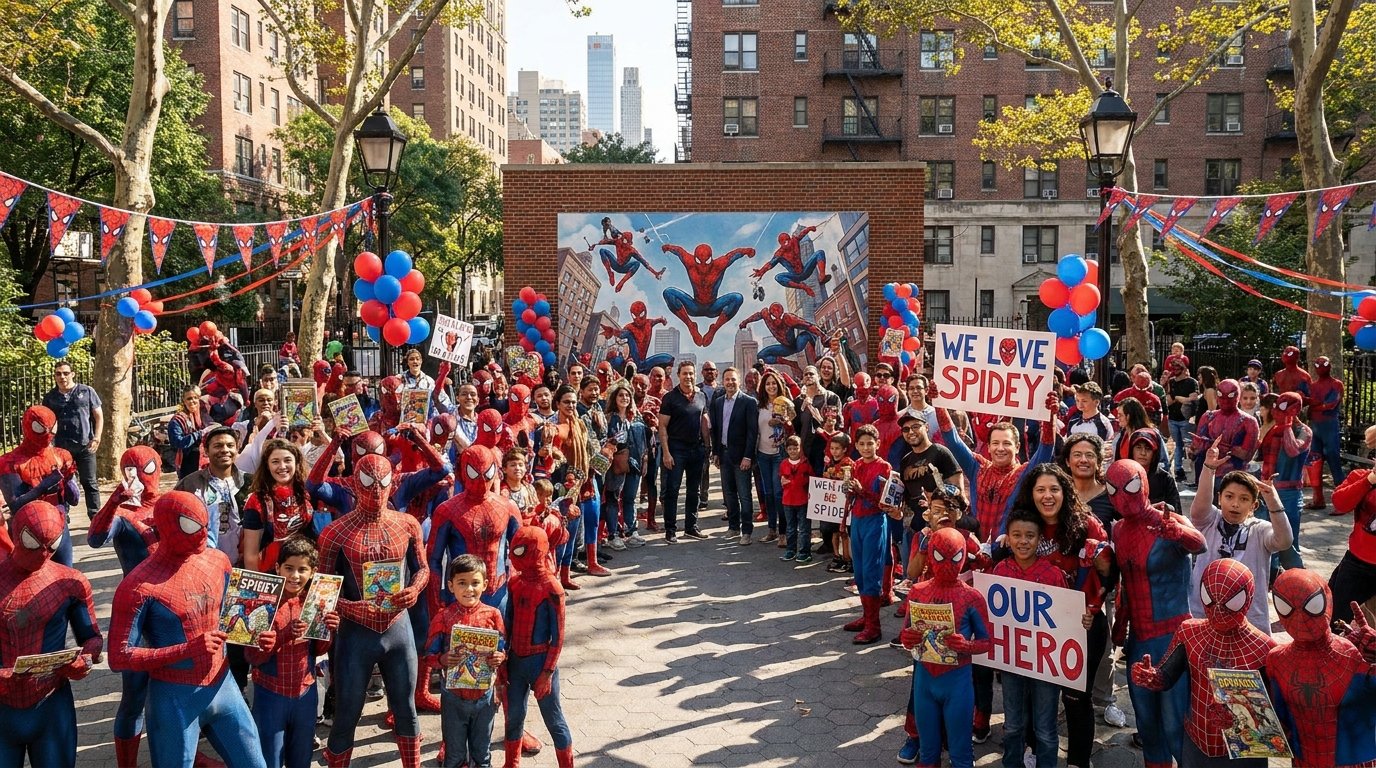
Celebrating Spider-Man Day on August 1st offers a myriad of ways for fans worldwide to honor their favorite web-slinger, ranging from personal tributes to community events. Many enthusiasts revisit Spider-Man’s foundational stories by rereading key comic issues, such as Amazing Fantasy #15 or landmark arcs from The Amazing Spider-Man series. Others immerse themselves in the cinematic universe, binge-watching the various film adaptations from Sam Raimi’s trilogy to the recent MCU installments and the acclaimed Spider-Verse movies. Video games featuring Spider-Man, like the highly popular PlayStation exclusives, also provide an interactive way to embody the hero and swing through virtual New York City.
Beyond passive consumption, many fans actively participate in the celebration. This might involve dressing up as Spider-Man, sharing fan art or personal stories on social media using hashtags like #SpiderManDay, or hosting themed parties. Comic book shops and local libraries often organize special events, offering discounts on Spider-Man merchandise or hosting trivia contests. These communal activities foster a sense of camaraderie among fans, transforming the day into a shared experience of appreciation for Spider-Man’s legacy. Whether through quiet reflection or boisterous celebration, August 1st provides a dedicated moment to acknowledge the character’s profound impact on popular culture and the lives of millions.
A Collector’s Perspective: Valuing Spider-Man Memorabilia
For collectors, Spider-Man Day often highlights the enduring value and desirability of memorabilia associated with the character. The market for Spider-Man collectibles is robust, driven by nostalgia, rarity, and the character’s consistent prominence in media. The pinnacle of Spider-Man collecting remains Amazing Fantasy #15. A high-grade copy of this comic can command extraordinary prices; in September 2021, a CGC-graded 9.6 Near Mint+ copy of Amazing Fantasy #15 sold for a record-breaking $3.6 million, underscoring its status as one of the most valuable comics ever. Even lower-grade copies can fetch thousands or tens of thousands of dollars, depending on their condition and provenance.
Beyond the debut issue, other significant Spider-Man comics hold substantial value, including The Amazing Spider-Man #50 (first appearance of Kingpin), The Amazing Spider-Man #129 (first appearance of The Punisher), and Secret Wars #8 (first appearance of the black suit/Venom symbiote). Action figures, original art, animation cells, and vintage toys also contribute to the expansive collector’s market. A common mistake amateur collectors make is relying solely on aggregated online price guides without professional authentication or appraisal. While online resources offer a baseline, variations in condition, rarity, and market demand necessitate expert evaluation to ascertain a true, fair market price. Professional appraisals consider minute details, from paper quality to print defects, which can significantly impact value.
Here is a comparison of common Spider-Man collectibles and their general value considerations:
| Collectible Type | Primary Value Drivers | Typical Price Range (Mid-Grade) | Expert Insight |
|---|---|---|---|
| Key Issue Comic Books | First appearances, iconic covers, historical significance, grade/condition. | $100 – $5,000+ (e.g., ASM #50) | Condition is paramount; grading by CGC or CBCS is crucial for high-value sales. |
| Vintage Action Figures | Rarity, completeness (accessories), original packaging (MOC/MIB), condition. | $50 – $500 (e.g., Mego Spider-Man, Toy Biz first series) | Loose figures dramatically decrease in value without original packaging and accessories. |
| Original Comic Art | Artist prestige, iconic scene depiction, page importance (e.g., splash page). | $500 – $20,000+ (e.g., Ditko, Romita Sr., McFarlane pages) | Authenticity and provenance are critical; always verify artist’s signature. |
| Video Games | First-party consoles, sealed condition (WATA/VGA graded), limited editions. | $20 – $200 (for common titles), $500 – $5,000+ (for sealed, rare versions) | Early console games generally hold more value than modern ones, especially if graded. |
Navigating the Spider-Verse: Key Milestones and Collectibles
Navigating the rich tapestry of the Spider-Verse reveals a multitude of key milestones and collectible opportunities beyond the seminal Amazing Fantasy #15. The narrative arc of Peter Parker in The Amazing Spider-Man comic series is replete with first appearances of beloved characters and groundbreaking storylines that have become cornerstones of comic book lore. For instance, The Amazing Spider-Man #1 (March 1963) established Spider-Man as a solo hero, providing a direct continuation of his origin. Subsequent issues introduced crucial members of his rogues’ gallery, such as Doctor Octopus in The Amazing Spider-Man #3 (July 1963), Mysterio in The Amazing Spider-Man #13 (June 1964), and the Green Goblin in The Amazing Spider-Man #14 (July 1964). These early appearances are highly sought after by collectors, with mid-grade copies ranging from several hundred to tens of thousands of dollars, depending on the villain’s significance and the comic’s condition.
Beyond villains, important supporting characters also have their own collectible milestones. The first appearance of Mary Jane Watson in The Amazing Spider-Man #42 (November 1966) and Gwen Stacy in The Amazing Spider-Man #31 (December 1965) are significant issues, reflecting pivotal moments in Peter’s personal life. The “Death of Gwen Stacy” in The Amazing Spider-Man #121 (June 1973) is considered one of the most impactful and tragic events in comic history, a key piece for serious collectors. Later, Todd McFarlane’s revolutionary art in The Amazing Spider-Man #300 (May 1988), which features the first full appearance of Venom, became a defining comic of the Modern Age, with its value consistently rising. According to industry analyses, the market for key Silver and Bronze Age Spider-Man comics has seen an average annual appreciation of 8-12% over the last decade, far outpacing inflation for well-preserved examples. These milestones not only celebrate the character’s rich history but also offer tangible investments for discerning collectors.
Steps for Authenticating and Appraising Valuable Spider-Man Comics
Authenticating and appraising valuable Spider-Man comics, especially high-value issues like Amazing Fantasy #15, requires a systematic approach to ensure accuracy and prevent costly errors. Collectors considering selling or purchasing such items should follow these steps:
- Visual Inspection for Condition: Carefully examine the comic for creases, tears, spine stress, page quality, and discoloration. Note any significant damage or restoration attempts. Use a strong, neutral light source for clarity.
- Cross-Reference with Publication Details: Verify the issue number, cover date, and internal indicia against established comic book databases. Check for printing errors or variations specific to certain print runs that might affect value.
- Check for Restoration: Restoration, such as color touch-ups, tear seals, or staple replacements, significantly impacts a comic’s value. These often require a trained eye or professional grading services to detect.
- Consult Reputable Price Guides: Utilize established resources like Overstreet Comic Book Price Guide or online databases that aggregate auction results. Understand that these provide a range, not a definitive price, as condition dictates final value.
- Seek Professional Grading: For high-value or key issues, submit the comic to a third-party grading service like Certified Guaranty Company (CGC) or Comic Book Certification Service (CBCS). These services encapsulate the comic in a tamper-evident slab and provide an objective numerical grade (on a 0.5 to 10.0 scale) and notes on restoration.
- Obtain a Professional Appraisal: Visit a trusted comic buying center, such as Comic Buying Center in Libertyville, IL. Their experts can provide a comprehensive, hands-on appraisal, taking into account current market trends, demand, and all condition factors, offering a fair and transparent selling price.
FAQ
What is Spider-Man Day?
Spider-Man Day is an annual celebration observed on August 1st, commemorating the first appearance of the iconic Marvel character, Spider-Man, in Amazing Fantasy #15. The day honors his enduring legacy in comics, film, and popular culture.
When is Spider-Man Day celebrated?
Spider-Man Day is celebrated annually on August 1st. This date corresponds to the cover date of Amazing Fantasy #15, the comic book that introduced Peter Parker and his web-slinging alter ego to the world in 1962.
Why is August 1st Spider-Man Day, and not his actual release date?
August 1st is Spider-Man Day because it is the cover date printed on Amazing Fantasy #15. While the comic was actually released on newsstands on June 5, 1962, the cover date became the traditional and widely accepted date for celebrating Spider-Man’s debut.
How can I celebrate Spider-Man Day?
You can celebrate Spider-Man Day by reading Spider-Man comics, watching his movies or TV shows, playing Spider-Man video games, dressing up as the hero, or sharing your appreciation for the character on social media. Many comic shops also host special events or sales.
Is Spider-Man Day a national holiday?
No, Spider-Man Day is not an official national or international holiday. It is a cultural observance celebrated by fans and enthusiasts worldwide, recognizing the significant impact of the Spider-Man character on pop culture.
Can I sell my Spider-Man comics on Spider-Man Day?
While you can sell your Spider-Man comics any day, Spider-Man Day might be a good time due to increased fan interest. It is always recommended to get a professional appraisal from a reputable dealer like Comic Buying Center to ensure you receive a fair price for your collection.