
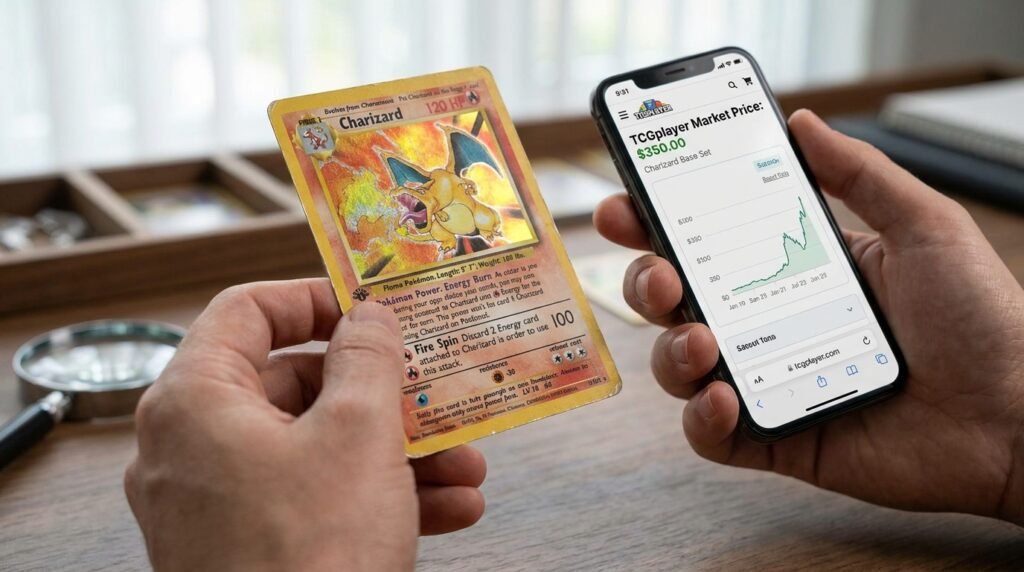
For individuals seeking to determine the value of their Pokémon card collection, the most effective approach involves a multi-step process: first, meticulously assess each card’s condition and identify its unique characteristics like rarity, set, and edition; second, utilize reliable online databases and marketplaces to research recent completed sales of identical cards; and finally, for cards exhibiting exceptional rarity or mint condition, consider obtaining a professional appraisal. This methodical strategy allows collectors to accurately gauge market worth, distinguishing between a common card valued at a few dollars and a truly rare specimen that could command hundreds or even thousands. For instance, a pristine first-edition holographic Charizard from the Base Set has sold for over $400,000, while a typical common card from a contemporary expansion might realistically be worth less than one dollar. Understanding these nuances from the outset prevents common pitfalls of overestimation or overlooking genuinely valuable items within a collection, ensuring a realistic assessment of your Pokémon card assets.
Key Takeaways
- Condition is paramount: Even minor damage like edge wear or scratches can significantly devalue a Pokémon card.
- Rarity symbols guide initial assessment: A circle (common), diamond (uncommon), or star (rare) in the bottom corner indicates a card’s base rarity.
- Research “sold listings”: Always check actual completed sale prices on platforms like eBay, not just asking prices, to gauge true market value.
- Consider professional grading for high-value cards: Services like PSA or Beckett can authenticate and grade cards, often increasing their market desirability and price.
- Consult reputable local experts: For comprehensive valuation and a streamlined selling process, an experienced dealer like Comic Buying Center offers professional appraisals and fair offers.
Understanding the Core Factors That Determine Pokémon Card Worth
Pinpointing the exact market value of a Pokémon card hinges on a combination of critical factors, each playing a significant role in determining its overall desirability and price. The journey to understanding a card’s worth begins with identifying its inherent characteristics and condition. A common professional mistake is to overlook the subtle differences between similar cards or to underestimate the impact of even minor wear, which can drastically alter perceived value.
Rarity and Print Run
The scarcity of a card is a primary driver of its value. Most Pokémon cards feature a symbol in the bottom corner indicating their rarity: a circle for common, a diamond for uncommon, and a star for rare. Beyond these, cards designated as “Holo Rare,” “Reverse Holo,” “Ultra Rare,” “Secret Rare,” or “Promo” often carry significantly higher values due to their limited print runs and unique aesthetic features. For instance, cards like the Illustrator Pikachu, a promo card given to winners of a Japanese art contest, are among the rarest, with only 41 copies ever confirmed to exist. This extreme scarcity contributes to its multi-million dollar valuation, exemplified by the Logan Paul Pikachu Illustrator card sale that garnered over $5 million.
Card Condition (Grading)
The physical state of a Pokémon card is arguably the single most impactful factor on its value. Even the rarest card will see its price plummet if it exhibits significant wear, creases, or damage. Professional grading companies, such as PSA (Professional Sports Authenticator) and Beckett Grading Services (BGS), assess a card’s condition on a scale, typically from 1 (Poor) to 10 (Gem Mint). A card graded PSA 10, meaning it is virtually flawless, can sell for multiples—sometimes 5 to 10 times—more than an ungraded equivalent in near-mint condition. Factors scrutinized during grading include centering, corners, edges, and surface integrity. Investing in professional grading is a strategic decision for high-value cards, as it provides authenticated condition and enhances buyer confidence.
Edition and Set Identification
The specific edition and expansion set a card belongs to are crucial for valuation. Older cards, particularly those from the original Base Set (released in 1999), tend to be more valuable. Within the Base Set, “First Edition” cards, identified by a small “1st Edition” stamp below the card’s artwork, are the most sought-after. Following these are “Shadowless” cards, which lack the shadow along the right border of the artwork, and then “Unlimited” print runs. The difference between a First Edition, Shadowless, and Unlimited print can be hundreds or even thousands of dollars for the same card. For example, a First Edition Shadowless Charizard commands a far higher price than its Unlimited counterpart. Identifying these subtle distinctions is vital for accurate valuation.
Character Popularity and Artistry
Beyond rarity and condition, the Pokémon featured on the card significantly influences its demand and price. Iconic Pokémon like Charizard, Pikachu, Blastoise, and Venusaur consistently fetch higher prices due to their immense popularity and nostalgic appeal. Furthermore, cards with unique or highly regarded artwork can also drive value, especially “Full Art,” “Alternate Art,” or “Secret Rare” variants that showcase expansive illustrations. Collectors often prioritize certain characters or artists, creating a dynamic market driven by subjective preferences alongside objective rarity.
Step-by-Step Guide to Researching Your Pokémon Card’s Market Price
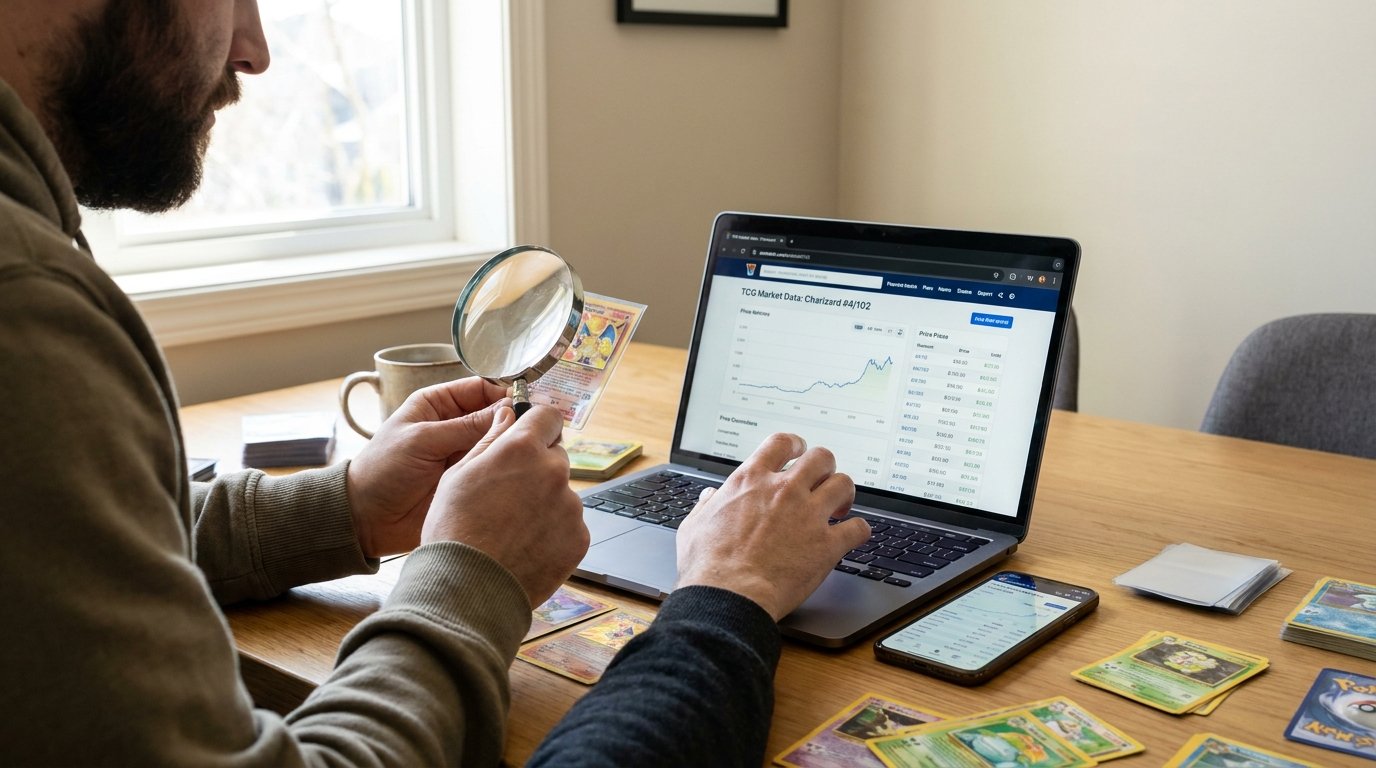
Determining the actual market price of your Pokémon cards requires a systematic approach, moving from initial identification to detailed market analysis. This process helps you understand what buyers are currently willing to pay, rather than relying on speculative asking prices. Proper research is the cornerstone of accurate valuation.
1. Identify Your Card’s Specifics
Before any price research, gather all identifying information from your card. This includes:
- Pokémon Name: The name of the creature.
- Card Name (if different): Some cards have different names for variants.
- Card Number: Typically found at the bottom right, e.g., “4/102” or “SV001/SV122.”
- Set Symbol: A small icon (e.g., a flower, star, or crescent moon) near the card number indicates the expansion set it belongs to. Online databases can help you identify sets by these symbols.
- Rarity Symbol: A circle (common), diamond (uncommon), or star (rare) in the bottom corner.
- Holographic Status: Is the artwork holographic (Holo Rare) or is the entire card holographic (Reverse Holo)?
- Edition: Look for “1st Edition” stamps, “Shadowless” characteristics, or “Promo” indicators.
Accurately identifying these details prevents mispricing due to similar-looking cards from different sets or print runs.
2. Assess Your Card’s Condition
A realistic assessment of your card’s condition is vital. Use the following criteria:
- Centering: Is the artwork evenly framed by the borders?
- Corners: Are they sharp and crisp, or soft and dinged?
- Edges: Is there whitening, fraying, or wear along the card’s perimeter?
- Surface: Are there scratches, indents, creases, or print lines on the front or back?
Even a single crease can reduce a card’s value from “Near Mint” to “Played,” often cutting its price by 50% or more. Be brutally honest with your assessment, as prospective buyers will be.
3. Utilize Online Price Guides and Marketplaces
With your card identified and condition assessed, it’s time to check market prices. Focus on platforms that show completed sales, as these reflect what buyers have actually paid, not just asking prices.
- eBay “Sold Listings”: This is a powerful tool. Search for your card (e.g., “Charizard Base Set First Edition PSA 9”) and filter by “Sold Items.” This provides a real-time snapshot of market demand and pricing trends. Pay attention to the grade and condition of sold cards to compare them accurately with your own.
- TCGplayer: A prominent online marketplace for trading card games, TCGplayer offers a comprehensive price guide. You can search for specific cards and view average market prices, alongside low, median, and high prices for various conditions. It aggregates prices from numerous sellers, providing a broad overview.
- Card Mavin / PriceCharting: These sites specialize in tracking collectible card values and provide historical sales data, often integrated with eBay and other platforms. They offer a more structured way to look up specific card values, including graded copies.
For common cards, prices can range from $0.50 to $5. Uncommon cards might fetch $5 to $20. Rare holographic cards often start at $20 and can climb to hundreds. Truly rare, vintage, or professionally graded cards can reach thousands or even hundreds of thousands of dollars.
4. Consult Professional Valuators for High-Value Items
If you suspect you have a highly valuable card (e.g., vintage holographic, First Edition, or rare promo), seeking a professional appraisal is a wise investment. Experts at reputable comic and collectible centers, such as Comic Buying Center, possess the knowledge and experience to provide accurate valuations, identify subtle nuances that online tools might miss, and offer direct insights into the current market. They can also advise on the best selling strategies tailored to your collection.
Navigating Professional Pokémon Card Grading: A Critical Investment
Professional grading of Pokémon cards is not merely an optional step; for significant cards, it is a critical investment that can unlock and maximize their market value. Grading provides an objective, third-party assessment of a card’s condition, authenticity, and overall quality, offering considerable benefits to both sellers and serious collectors.
Why Professional Grading Matters
A professionally graded card carries several advantages over an ungraded one. Primarily, it establishes undisputed authenticity, crucial in a market sometimes plagued by counterfeit cards. Secondly, the assigned numerical grade (typically 1-10) offers a standardized, objective measure of condition that is universally understood and trusted by buyers. This reduces buyer skepticism and eliminates subjective debates over a card’s state, leading to higher selling prices and quicker transactions. According to PSA (Professional Sports Authenticator), a card graded PSA 10 (Gem Mint) typically sells for 5 to 10 times more than an ungraded equivalent in Near Mint condition, showcasing the tangible return on investment.
Leading Grading Companies and Their Processes
Three companies dominate the professional card grading landscape:
- PSA (Professional Sports Authenticator): The most widely recognized and respected grading service, particularly for vintage cards. PSA’s grading scale is highly stringent, with a premium placed on their Gem Mint 10 grade.
- Beckett Grading Services (BGS): Known for its sub-grades (Centering, Corners, Edges, Surface) which provide a detailed breakdown of a card’s condition. Their ultimate grade, the “Black Label” BGS 10 Pristine, is incredibly rare and commands top dollar.
- CGC (Certified Guaranty Company): Gaining popularity, especially for modern cards, CGC offers a thorough grading process and a competitive pricing structure.
The grading process generally involves submitting your card(s) to the company, where experts examine them under magnification, assign a grade, encapsulate them in a tamper-evident holder, and return them with a certification. Each company has specific submission guidelines and turnaround times.
Cost and When to Consider Grading
The cost of grading varies significantly based on the card’s declared value, desired turnaround time, and the grading company. Standard services can range from $15 to $30 per card, while express services for high-value cards might cost $100 or more. Expedited options often come with substantial premiums, sometimes exceeding $1000 for extremely valuable cards requiring immediate service. The investment in grading is generally justified for cards that you anticipate will receive a grade of 7 or higher and have an estimated market value of at least $100 in that condition. Grading a common card or one in poor condition is usually not cost-effective, as the grading fee could easily exceed the card’s potential graded value. It’s an expert recommendation to only submit cards for grading if you are confident in their condition and potential market value, as the fees can quickly add up if submitted indiscriminately.
| Factor | Online Research (DIY) | Professional Appraisal |
|---|---|---|
| Cost | Free to low (subscriptions for advanced tools) | Variable (per card fee, percentage of value) |
| Time Investment | Significant (researching each card, learning market nuances) | Minimal (drop-off/ship, wait for report) |
| Accuracy | Good for common/mid-tier cards, relies on user diligence | High (expert knowledge, access to proprietary data) |
| Best For | Casual collectors, preliminary checks, lower-value items | High-value cards, large collections, definitive valuation for sale |
| Authenticity | Limited (user must verify) | Guaranteed (experts identify fakes) |
Expert Tips for Accurate Pokémon Card Valuation
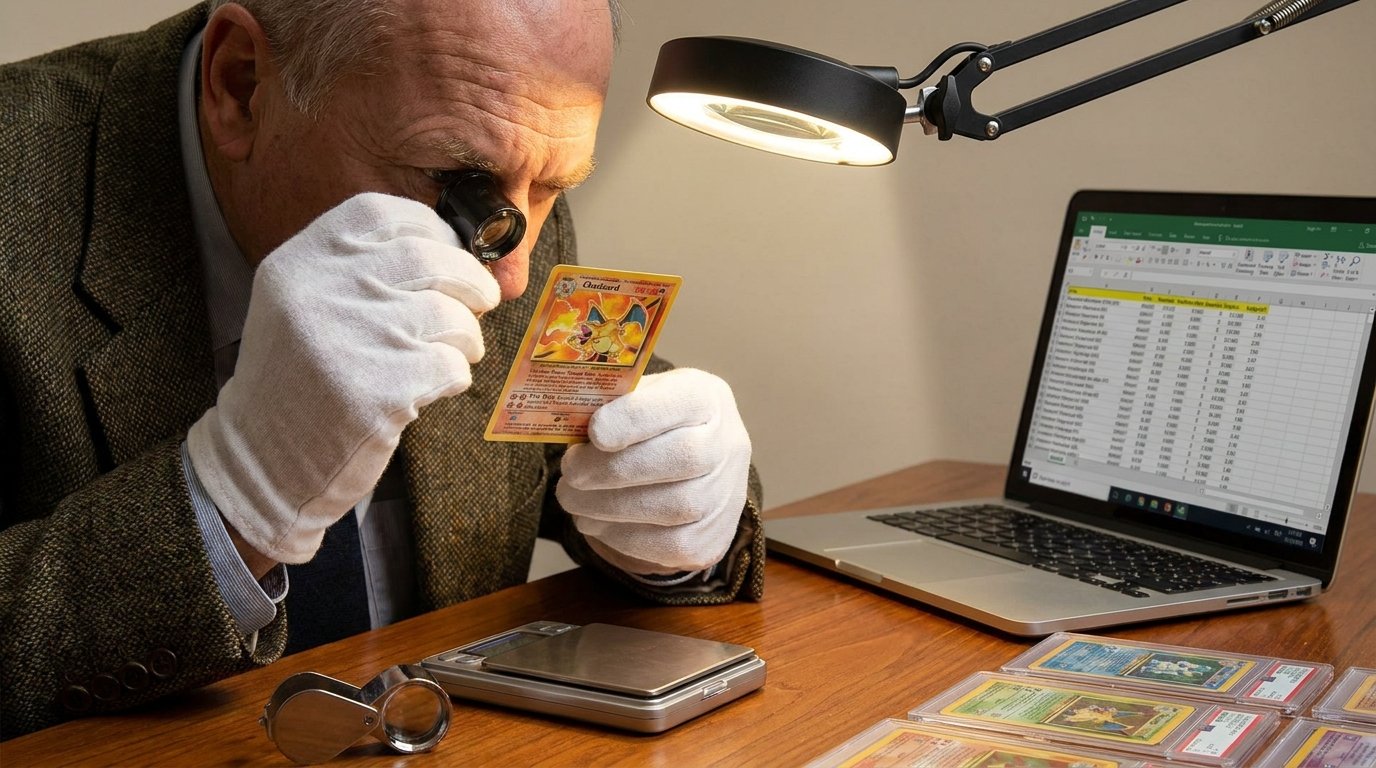
Accurate valuation of Pokémon cards goes beyond simply checking recent sales; it involves understanding market dynamics, recognizing subtle card variations, and avoiding common pitfalls. Experienced valuators employ specific strategies to ensure every aspect of a card’s potential worth is considered, providing a more robust estimate.
Recognizing Key Variations That Boost Value
The Pokémon card market often rewards specific variations and print anomalies. One significant factor is the presence of “Shadowless” cards within the original Base Set. These cards, produced for a short period, lack the distinct shadow on the right border of the artwork box. A Shadowless card, even an Unlimited one, often commands a premium over its shadowed counterpart due as a transitional variant. Furthermore, understanding the nuances of promo cards is critical. Event-exclusive promos, staff promos, or limited-release cards can be exceedingly rare and valuable, even if they feature common Pokémon. For instance, the Trophy Pikachu cards, awarded at official tournaments, are among the most expensive due to their extreme scarcity and historical significance.
Beware of Counterfeit Cards
The popularity and high value of certain Pokémon cards have unfortunately led to a pervasive market for counterfeit items. A significant professional mistake is failing to identify fake cards, which can lead to misguided investments or misrepresentation of value. Genuine cards have specific print quality, text clarity, and holographic patterns. Fakes often have blurry text, incorrect colors, off-center prints, or simply feel different to the touch. It is crucial to be vigilant, especially when dealing with high-value cards acquired from unverified sources. If in doubt, comparing the card side-by-side with a known genuine version is advisable, or seeking an expert opinion.
Understanding Market Trends and Liquidity
The value of Pokémon cards is not static; it fluctuates with market trends, nostalgic demand, and major events within the Pokémon franchise. Research by PWCC Marketplace indicates that cards from the original 1999 Base Set account for over 40% of the total trading card game market value for Pokémon, highlighting the enduring appeal of vintage items. However, certain modern sets or specific cards can also experience surges in popularity, often influenced by viral content creators or competitive play. An expert recommendation is to always compare against sold listings, not just active ones, as active listings reflect asking prices, not actual market demand or final sale values. Many novice collectors overestimate their card’s worth based on inflated active listings. Additionally, consider the liquidity of a card; highly sought-after cards are easier to sell quickly at fair market value, while niche or obscure cards might take longer to find a buyer.
Maximizing Your Return: Options for Selling Valuable Pokémon Cards
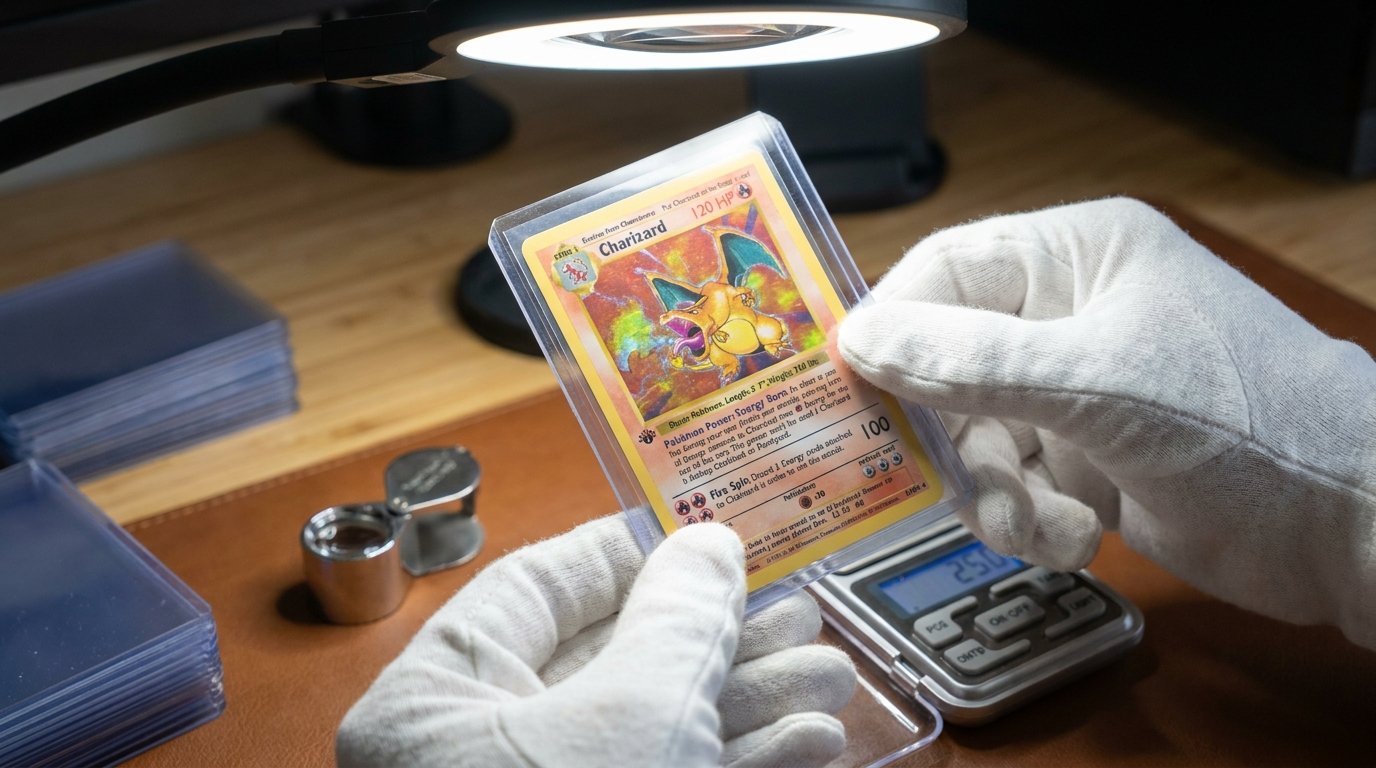
Once you have a clear understanding of your Pokémon cards’ value, the next step is to choose the most effective selling strategy to maximize your return. The best method depends on the value of your collection, your comfort with online transactions, and your desire for convenience versus control over the selling price.
1. Selling Privately Online
For individuals comfortable with managing sales and shipping, online platforms offer direct access to a global market of collectors. eBay remains the dominant marketplace, allowing you to list individual cards or small lots. Utilizing the “Auction” format for rare cards can sometimes drive prices higher due to competitive bidding, while “Buy It Now” offers a stable price. Other platforms like TCGplayer are excellent for individual cards, especially for common to uncommon items, providing a broad reach within the TCG community. Dedicated social media groups (e.g., Facebook Pokémon card selling groups) also connect buyers and sellers directly, often reducing fees. However, private sales require careful packaging, secure shipping, and vigilance against potential scams or disputes, making them more time-consuming.
2. Consignment Services
For extremely high-value cards (e.g., those valued in the thousands or hundreds of thousands), consignment services can be an attractive option. Companies specializing in high-end collectibles will handle the entire selling process, from professional photography and marketing to buyer communication and secure shipping. They charge a commission on the final sale price, but in return, they leverage their established reputation, reach, and expertise to secure the highest possible price for your card. This method provides peace of mind and reduces the logistical burden for the seller, though it means a percentage of the sale will go to the consignor.
3. Selling to Local Dealers or Collectible Shops
For collectors seeking a fast, hassle-free process and immediate payment, selling to a reputable local dealer like Comic Buying Center is often the most straightforward solution. These establishments are always seeking quality inventory and offer fair market prices based on current demand and professional appraisals. Dealers provide several advantages:
- Expert Appraisal: They possess deep market knowledge to accurately assess your cards on the spot.
- Immediate Payment: You receive cash or store credit without waiting for online sales to finalize.
- Convenience: Avoid the complexities of online listings, shipping, and buyer interactions.
- Bulk Selling: Ideal for selling large collections quickly, as dealers are equipped to handle bulk purchases.
- Trust and Transparency: Reputable shops operate with integrity, providing clear explanations for their offers.
According to eBay, searches for “Pokémon” increased by over 160% on eBay.ca in the past five years, indicating a robust online market; however, the convenience and expertise offered by local buyers often outweigh the potential for slightly higher returns through direct online sales for many individuals. Visiting a showroom filled with rare and sought-after collectibles, like Comic Buying Center in Libertyville, IL, provides an opportunity to receive expert advice every step of the way, ensuring you understand the value of your items and receive a fair offer.
FAQ
What makes a Pokémon card valuable?
A Pokémon card’s value is determined by a combination of factors including its rarity (indicated by symbols like a star or special print details), its condition (graded professionally from 1 to 10), its edition (such as First Edition or Shadowless), the popularity of the Pokémon character depicted, and the overall demand for that specific card in the collector’s market. Cards from early sets, particularly those that are holographic and in pristine condition, tend to be the most valuable.
How can I quickly check if my Pokémon cards are worth money?
To quickly assess if your Pokémon cards are valuable, first identify the card’s name, set symbol, and rarity symbol (circle for common, diamond for uncommon, star for rare). Next, examine its condition for any wear, creases, or damage. Finally, search for “sold listings” of that specific card in similar condition on platforms like eBay or TCGplayer. If prices for comparable cards are consistently above $50, it warrants further investigation or a professional appraisal.
Which Pokémon cards are usually the most expensive?
The most expensive Pokémon cards are typically vintage, holographic, First Edition cards from the original Base Set (like Charizard, Blastoise, and Venusaur). Limited-release promotional cards, such as the Illustrator Pikachu or Trophy Cards awarded at tournaments, also command extremely high prices due to their extreme rarity and historical significance. Cards professionally graded 9 or 10 by services like PSA or Beckett consistently achieve premium values.
Is it worth getting all my Pokémon cards graded?
It is generally not worth getting all your Pokémon cards graded. Professional grading is a financial investment, with fees ranging from $15 to hundreds of dollars per card. It is typically advisable only for cards you believe are highly valuable (e.g., over $100 in their current condition) and likely to receive a high grade (7 or above). Grading can significantly increase the value and marketability of rare, high-condition cards, but it is not cost-effective for common cards or those in poor condition.
Where is the best place to sell valuable Pokémon cards?
The best place to sell valuable Pokémon cards depends on your priorities. For maximum control over pricing and access to a global audience, online marketplaces like eBay or TCGplayer are effective, though they require more effort. For extremely high-value cards, consignment services specializing in collectibles can be beneficial. For convenience, immediate payment, and expert appraisal, selling to a reputable local comic and collectible dealer, such as Comic Buying Center, is often the most straightforward and secure option.