
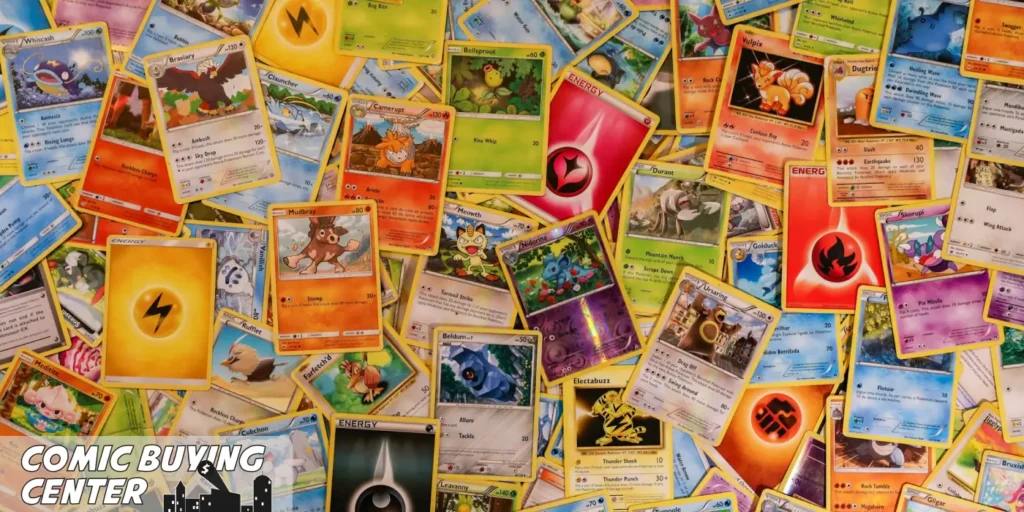
Why Are Pokemon Cards Valuable?
So, are Pokemon cards a good investment? Well, Pokemon cards don’t have “built-in” value like gold, oil, or food. Their price is determined by what people believe they’re worth and how many people want them, also known as perceived value.
Pokemon is an extremely popular franchise. Millions of fans grew up with it, and new players keep joining. That demand is what gives the cards real monetary value.
The basic economic rule of supply and demand applies here. If a card is easy to find, it usually stays affordable. If it’s rare, printed in limited numbers, or tied to special releases or events, prices can rise fast. Condition also matters, since a rare card in great shape is even harder to find.
As long as the Pokemon franchise remains popular, these cards will keep costing money, and truly rare ones can become extremely expensive, sometimes even reaching millions of dollars.
*Please note that this article is for informational purposes only and is NOT financial advice. We are NOT certified financial advisors.
Do Pokemon Cards Go Up in Value Over Time?
Like most collectibles, the answer is yes – but not all of them. Some Pokemon cards become more expensive over time, some stay more or less flat, and others drop. What really matters is rarity, demand, and time.
If a card was extremely rare and already expensive years ago, it almost always costs more in the future. The reason is simple: Pokemon cards are finite. Once a card is printed and circulation settles, no new copies magically appear. Cards get lost, damaged, or locked away in collections, which naturally reduces supply. When demand remains strong or grows, prices rise.
You can already see this in real numbers. Since the mid-2000s, the overall Pokemon card market has increased by thousands of percent, outpacing many traditional investments. Even more recently, some vintage cards have nearly doubled in price over just a couple of years, while certain modern “chase” cards jumped from the mid-hundreds to well over $1,000 in a short time.
So yeah, Pokemon cards can go up in value (especially rare ones), but results vary.
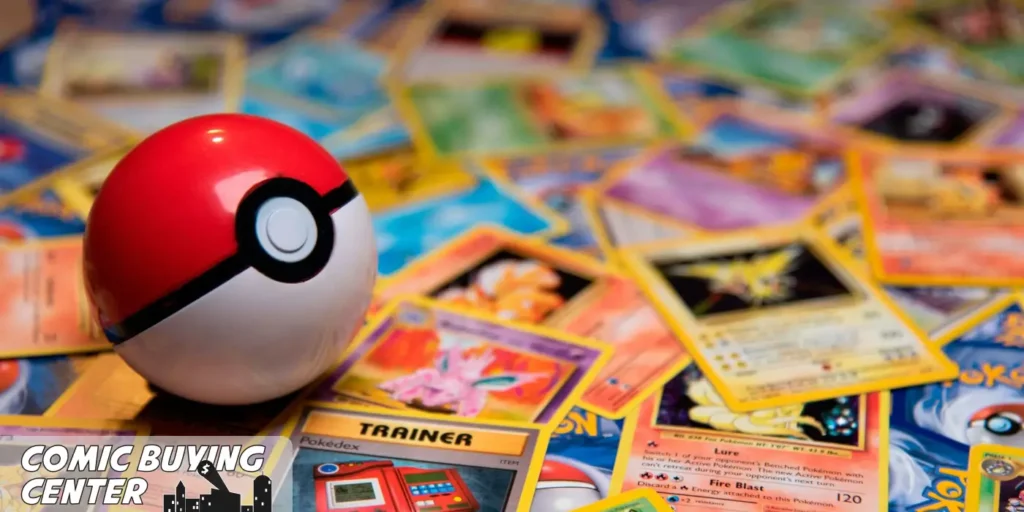
Sales Trends for Pokemon Cards
The Pokemon card market is past its 2020-2021 peak, but that doesn’t mean it’s weak. It’s just more balanced now. Prices aren’t exploding across the board anymore, and demand is still very real, especially for high-end cards and sealed products. Big cards continue to pull strong auction results.
Like any collectible market, Pokemon moves in waves. There are hype cycles, cooler periods, and then renewed interest when something big happens again. We’re clearly in a calmer phase right now, but history suggests that another strong run could happen in the future.
Recent sets like 151, Scarlet & Violet, and Destined Rivals brought in new collectors and even older fans. On top of that, international demand continues to grow, especially for Japanese sets, promos, and crossover releases.
And new records still keep on coming. Just look at the most recent (Dec 12, 2025) Charizard Pokemon card auction sale. The price WILL surprise you. This one is probably not among the best Pokemon cards to invest in, given its price, but there are many other options to consider.
Best Pokemon Cards to Invest In
Not all Pokemon cards are worth the same, obviously. Some cards have long-term demand, real rarity, and many collectors chasing them, while others are mass-printed and were not meant to be rare or expensive. Knowing the difference matters. So, what to look at when you consider Pokemon card investing?
*The content above and below this disclaimer is for informational purposes only and is NOT financial advice. We are NOT certified financial advisors.
Vintage Pokemon Cards
Vintage Pokemon cards are expensive for the same reason vintage wine or classic cars are. People like old things, especially when they come from the early days of something popular.
Most older cards were bought to play with, not to be stored safely. Over time, many were bent, scratched, or lost. Because of that, mint-condition vintage cards are very rare, and rarity pushes prices higher.
First Edition and Shadowless Cards
First Edition cards are from the earliest print run of a set. They usually have a small “1st Edition” stamp, and collectors pay more because these were printed in smaller numbers than later runs.
Shadowless cards are early Base Set cards that lack the shadow effect around the portrait frame. They were made before the design was updated, so they’re rarer than the more common “shadowed” versions.
Because both types come from the earliest days of Pokemon and are much harder to find in high grade, they’re often expensive.
PSA-Graded Pokemon Cards
Grading means a company like PSA assesses a card’s condition and authenticity, assigns it a score (e.g., 10, 9, 7, 5), and seals it in a protective case. People do this because it proves condition and rarity, so it’s easier and safer to sell Pokemon cards.
If a card is rare but ungraded, its price can drop significantly, since buyers worry about damage or fakes. For high-end cards, grading is essential. It’s basically a trusted certificate that says, “Yep, this card is real, and here’s the condition.” Even a PSA 5 rare card can still be worth serious money.
Promo and Trophy Cards
Promo cards are special releases that don’t come from regular booster packs. They might be given out at events, included in magazines or box sets, or released as part of limited campaigns. Because few copies exist, collectors often pay more.
Trophy cards are even rarer. These are prizes for official tournaments or competitions, usually given only to top finishers. That means the supply can be tiny, sometimes just dozens or a few hundred worldwide.
They’re expensive because they’re very hard to get, and collectors chase them like trophies of their own. Some of these cards can cost tens of thousands, or even hundreds of thousands, of dollars.
The Pros & Cons of Investing in Pokemon Cards
Pros
- High upside potential. Some iconic cards started cheap and later reached extremely high prices once demand exploded.
- Huge collector base. Pokemon has fans all over the world, so top-tier cards almost always have buyers.
- Global appeal. The franchise spans generations and countries, which helps keep the natural interest.
- Flexible entry points. You can start small with affordable cards or go big with high-end pieces, whatever you decide.
Cons
- Sudden market swings. The market is volatile, meaning prices can rise and fall unexpectedly.
- Grading costs. To get top value, rare cards need professional grading, and that process isn’t free. It’s not very expensive, though.
How to Invest in Pokemon Cards
If you’re getting into Pokemon cards, the safest approach is also the simplest: go local. Seeing cards in person makes it easier to judge condition, avoid fakes, and ask real questions before spending money. That matters a lot with collectibles, where small details can significantly affect value.
Local shops also help you understand the market better, like when you’re buying, trading, or even looking to sell comic books alongside some cards. Places like Comic Buying Center work with more than just comics, despite the name, and deal with a wide range of collectibles, including Pokemon cards.
Pokemon cards have been around longer than many people realize (when did Pokemon cards come out is a common question), and that long history is part of why demand not only exists but also climbs year to year. Choose trusted sellers/buyers, compare proposals, and don’t go for the lowest or highest bid. Be smart about it, and you’ll have a good time collecting and investing in Pokemon cards.