
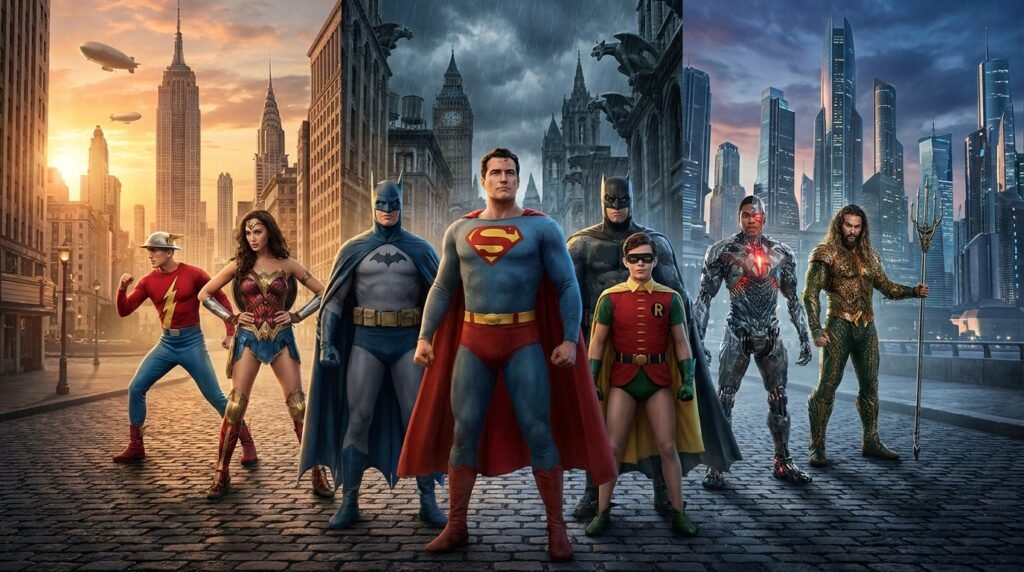
The storied legacy of DC Comics began in February 1935, when Major Malcolm Wheeler-Nicholson founded National Allied Publications, eventually evolving into the iconic brand recognized today. The acronym “DC” originates from the company’s highly successful series, Detective Comics, which launched in 1937 and famously introduced Batman. Currently, Warner Bros. Discovery owns DC Comics, making it part of one of the world’s largest media conglomerates. This deep dive into DC Comics’ extensive history reveals its transformative journey from a pioneering publisher to a global entertainment powerhouse, defining the superhero genre and continuously reinventing its vast multiverse. Understanding this evolution is crucial for both seasoned collectors and new enthusiasts to appreciate the enduring impact of characters like Superman, Batman, and Wonder Woman, and how their narratives have mirrored and shaped cultural landscapes for nearly a century. For those interested in the financial aspects of these timeless creations, resources like a comic book price guide can provide insight into the market value of various issues.
Key Takeaways
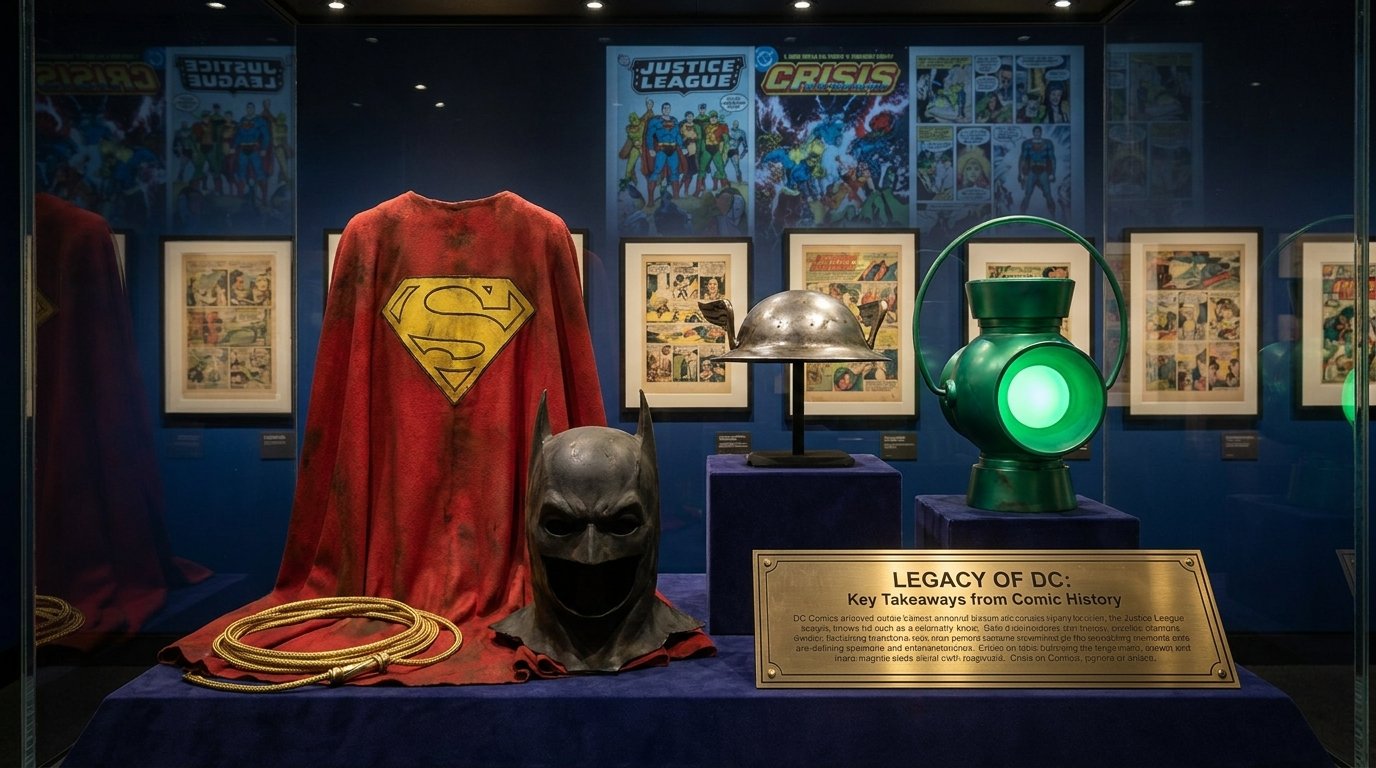
- DC Comics originated as National Allied Publications in 1935, founded by Major Malcolm Wheeler-Nicholson.
- The “DC” in DC Comics stands for Detective Comics, one of its flagship titles that debuted in 1937.
- Warner Bros. Discovery currently owns DC Comics, overseeing its vast intellectual property portfolio.
- The company played a pivotal role in creating the superhero archetype with characters like Superman (1938) and Batman (1939).
- DC Comics has undergone multiple creative eras, from the Golden Age to modern reboots, consistently adapting to new audiences and media formats.
The Genesis of a Giant: When DC Comics Began
DC Comics first began its journey into the American cultural landscape in 1935, under the visionary leadership of Major Malcolm Wheeler-Nicholson. Initially, the company operated as National Allied Publications, debuting with New Fun: The Big Comic Magazine #1. This publication marked a significant departure from existing comic strips, featuring entirely original material rather than newspaper reprints. Wheeler-Nicholson sought to create a new form of storytelling, paving the way for the comic book industry as we know it.
The company’s evolution was swift. In 1937, Wheeler-Nicholson partnered with Harry Donenfeld and Jack Liebowitz to publish Detective Comics, the series that would eventually lend its initials to the company’s enduring name. Financial difficulties led to Wheeler-Nicholson’s departure later that year, and the company restructured into Detective Comics, Inc. The following year, in 1938, Donenfeld and Liebowitz also acquired the assets of Wheeler-Nicholson’s other publishing venture, National Allied Publications, merging them into National Comics Publications. This consolidated structure laid the foundation for the powerhouse DC Comics would become, setting the stage for the arrival of its most iconic heroes.
The initial years were marked by creative experimentation and the search for compelling narratives. The foundational figures, though largely behind the scenes, established the templates for superhero comics. Their early works, particularly the advent of Superman and Batman, propelled the nascent industry into an unprecedented era of popularity, transforming the small publishing house into a titan of sequential art.
What Does DC Stand For?
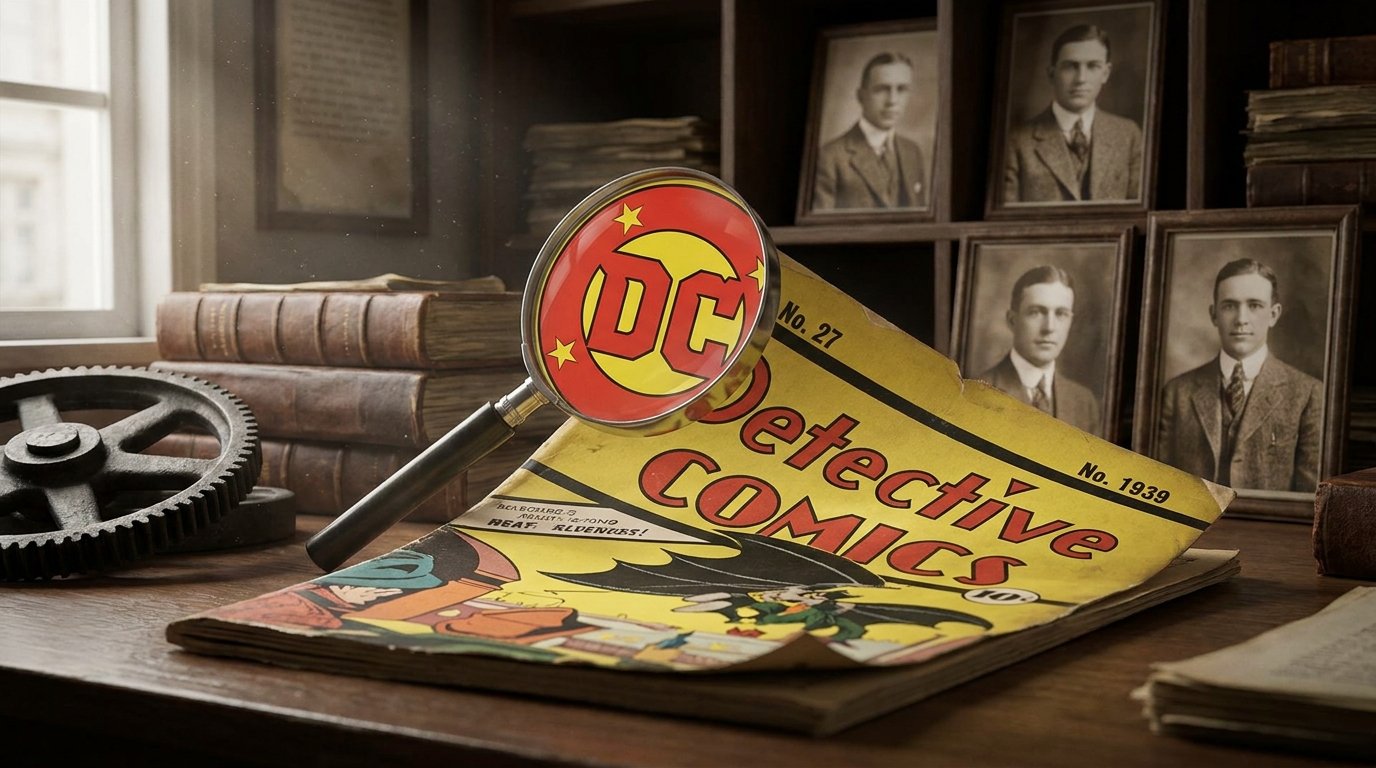
The abbreviation “DC” in DC Comics directly originates from one of its most seminal and enduring titles, Detective Comics. This publication first appeared in March 1937, and its consistent success solidified its place in the company’s identity. The initial issues featured a range of detective, adventure, and pulp-style stories, a popular genre at the time, before fundamentally changing the landscape of comic books.
The pivotal moment arrived with issue #27 of Detective Comics in May 1939, which introduced the mysterious vigilante known as Batman. This character’s immediate popularity cemented the title’s status and, by extension, the abbreviation “DC” in the public consciousness. Before this, the company had operated under names like National Allied Publications and National Comics Publications. However, the immense success and widespread recognition of Detective Comics led to the company informally being known as “DC” for years.
By 1946, the company had formally adopted “DC” into its logo, prominently displaying “Superman-DC” on its covers. The full legal name officially changed to DC Comics in 1977, a testament to the brand recognition built around its flagship titles. This evolution from an initialism tied to a specific comic book to the official company name illustrates the profound impact a single successful title can have on a burgeoning industry.
The Architects of Imagination: Who Created DC’s Iconic Universe?
The vast universe of DC Comics is a testament to the collaborative brilliance of numerous writers, artists, and editors who shaped its foundational characters. While Major Malcolm Wheeler-Nicholson founded the company, the iconic heroes themselves emerged from specific creative partnerships that sparked entirely new genres within fiction. Understanding these creators is essential to appreciating the depth of the DC mythology.
The most recognizable figure in the DC pantheon, Superman, was the brainchild of writer Jerry Siegel and artist Joe Shuster. Their creation debuted in Action Comics #1 in June 1938, introducing the world to the concept of a super-powered alien fighting for truth and justice. This character’s immediate success was astronomical, with Action Comics #1 selling over 200,000 copies, a remarkable feat for the era, quickly establishing the superhero archetype.
Batman, another cornerstone of the DC universe, first appeared in Detective Comics #27 in May 1939. He was primarily conceived by artist Bob Kane, though the crucial contributions of writer Bill Finger are now widely acknowledged. Finger was instrumental in developing many of Batman’s core characteristics, his alter ego Bruce Wayne, and key elements like Gotham City and the Bat-Signal. The dynamic between Batman’s grim determination and Superman’s idealistic heroism quickly defined the emerging superhero landscape.
Wonder Woman, a pioneering female superhero, was created by psychologist William Moulton Marston, with artistic contributions from H.G. Peter. Her first appearance was in All Star Comics #8 in December 1941, followed by her own title, Sensation Comics #1, in January 1942. Marston, also the inventor of the polygraph (lie detector), infused Wonder Woman with themes of female empowerment and Amazonian mythology, making her a symbol of strength and justice that resonated deeply during World War II and beyond. These creators, along with countless others in subsequent decades, established the rich tapestry of heroes and villains that continue to define the DC Universe.
DC Comics reading order – where to start?
Diving into the vast DC Universe may scare you off at first. But it’s not all that scary as it may seem. Here are a few things to think about and start with:
- Who’s your favorite hero? Do you like grounded, noir, and always serious Batman, or something that involves adventuring on other planets with Green Lantern? Think of this, pick your hero – it is the start already.
- There are also some “start points” that may help. Look for the latest issues labeled with #1 or Rebirth. Rebirth came out in 2016 and was basically…a Rebirth. It’s like it all started again, fresh new. That’s very helpful if you’re also new to the DC Universe.
- Are you a fan of Classics? Then you should start with timeless DC Classics like Frank Miller’s “Batman: Year One” or Alan Moore’s “Watchmen.” These comics are classics for a reason, showcasing the depth and power of DC’s storytelling.
- Go online! Try out DC Universe Infinite. It’s like an online storage for A LOT of DC Comics. Though it requires a subscription, you will have some of your most favorite comics with you everywhere you go.
There’s also an extra option here. At our local comic book shop, we provide an additional choice for comic enthusiasts. Our staff, knowledgeable in nearly all aspects of comics, is available to offer assistance and tips. Additionally, we have a variety of printed copies, which many people prefer for a more enjoyable reading experience.

The Golden Age: Shaping the Superhero Archetype (1938-1956)
The Golden Age of Comic Books, broadly spanning from 1938 to 1956, saw DC Comics rise to prominence by introducing the world to the very concept of the superhero. The arrival of Superman in Action Comics #1 in 1938 marked the true beginning of this era. His unprecedented popularity immediately demonstrated the immense potential for characters possessing extraordinary abilities, leading to a surge in imitative heroes across the industry.
Following Superman’s success, Batman’s debut in Detective Comics #27 in 1939 further cemented DC’s leadership in the genre. While Superman represented the ideal of altruistic power, Batman offered a darker, more human form of heroism, relying on intellect and physical prowess. The duo quickly became the pillars of the DC Universe. Wonder Woman, introduced in 1941, completed DC’s iconic Trinity, providing a powerful female role model and advocating for themes of justice and equality.
During World War II, superheroes became symbols of hope and patriotism. DC characters, like many others, often engaged in battles against Axis powers, serving as morale boosters for a nation at war. Circulation numbers soared; for instance, at its peak during the Golden Age, Superman comic books were selling approximately 1.25 million copies per issue, a staggering figure that highlighted the widespread appeal. However, the post-war period brought a decline in superhero popularity. Public interest shifted, and external pressures, particularly from psychiatrist Fredric Wertham’s book Seduction of the Innocent, led to increased scrutiny. This era culminated in the establishment of the Comics Code Authority in 1954, imposing strict censorship guidelines that significantly altered the content of comic books, effectively drawing the Golden Age to a close and preparing the ground for a new beginning.
The Silver Age and Bronze Age: Revitalization and Realism (1956-1985)
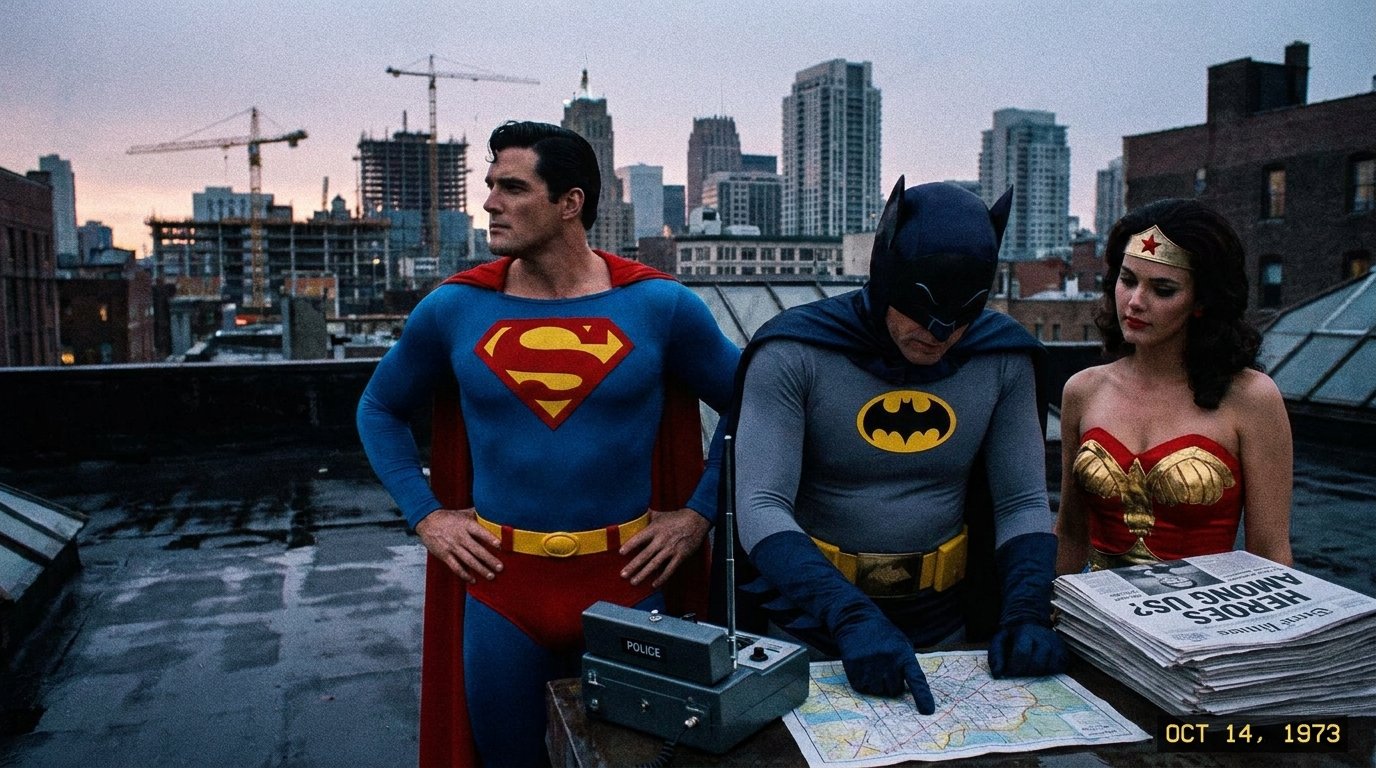
The Silver Age of Comic Books began in 1956, spearheaded by DC Comics’ innovative revival of the superhero genre. This new era commenced with the introduction of a modernized Flash in Showcase #4, reimagining the Golden Age speedster Barry Allen. This successful revitalization prompted DC to reintroduce other classic heroes with contemporary updates, including Hal Jordan as the Green Lantern and Ray Palmer as the Atom. These heroes formed the bedrock of the Justice League of America, debuting in The Brave and the Bold #28 in 1960, which united DC’s most powerful characters into a cohesive super-team.
The Silver Age distinguished itself with a focus on science fiction, intricate plots, and a brighter, more optimistic tone compared to the preceding era. Writers like Gardner Fox and John Broome, alongside artists such as Carmine Infantino and Gil Kane, defined the visual and narrative style of this period. However, as the 1970s dawned, a shift towards more mature and socially conscious storytelling emerged, heralding the Bronze Age. This period saw creators tackling real-world issues like drug addiction, environmentalism, and racial inequality, a stark contrast to the often lighthearted narratives of the Silver Age.
A notable example of this shift was the critically acclaimed Green Lantern/Green Arrow run by Denny O’Neil and Neal Adams, which addressed social injustices head-on, selling consistently well and garnering significant critical praise. The Bronze Age also featured important character developments, with iconic stories like “The Death of Gwen Stacy” in Marvel (though a rival, it influenced the industry’s approach to realism) and DC’s own “The Death of Superman’s Girlfriend, Lois Lane” (an imaginary story, but reflecting darker themes). One common professional mistake often seen during the transition from the Silver to the Bronze Age was an initial reluctance to fully embrace the evolving tastes of the audience, leading to some missed opportunities for deeper narrative engagement. This period effectively served as a bridge, laying the groundwork for the more complex and often darker storytelling that would characterize the modern comic book era.
Modern Eras: Reinvention and Expansion (1985-Present)
The modern era of DC Comics began with a monumental shake-up: Crisis on Infinite Earths (1985-1986). This twelve-issue limited series, written by Marv Wolfman and penciled by George Pérez, served as a colossal editorial event designed to streamline decades of convoluted continuity into a single, cohesive timeline. It drastically altered the DC Universe, eliminating the multiverse concept (at least temporarily) and allowing creators to redefine beloved characters for a new generation. The ripple effects of Crisis were profound, enabling fresh starts for heroes like Superman in John Byrne’s Man of Steel and Batman in Frank Miller’s Year One.
Following Crisis, the late 1980s and early 1990s saw an explosion of groundbreaking storytelling that pushed the boundaries of the medium. Iconic works like Frank Miller’s The Dark Knight Returns (1986) redefined Batman as a gritty, aging vigilante, while Alan Moore and Dave Gibbons’ Watchmen (1986-1987), though not set in the mainstream DC Universe, cemented DC’s reputation for mature, literary graphic novels. These titles earned critical acclaim and significantly elevated the perception of comic books as a serious art form. The prestige created by these works also contributed to a boost in sales, with The Dark Knight Returns, for instance, selling an estimated 400,000 copies in its initial print run.
DC continued to innovate through imprints like Vertigo, launched in 1993, which offered creator-owned and mature-reader titles like Sandman and Preacher, expanding the company’s demographic reach. The 21st century has seen DC grapple with the challenges of maintaining relevance in a rapidly changing media landscape. Major reboots like The New 52 (2011), DC Rebirth (2016), and Infinite Frontier (2021) have each attempted to refresh the universe for new readers while honoring its rich history. Beyond print, DC has strategically expanded into television (e.g., The CW’s Arrowverse), animated features, and blockbuster films. Recent DC film adaptations, such as 2022’s The Batman, grossed over $770 million globally, illustrating the continued demand for these characters across various entertainment platforms. This multimedia strategy underscores DC’s commitment to keep its iconic characters thriving in the global consciousness.
Ownership and Corporate Structure: Who Controls the DC Multiverse?
The ownership of DC Comics has evolved significantly since its humble beginnings, reflecting the broader consolidation trends within the entertainment industry. Currently, DC Comics operates as a subsidiary of Warner Bros. Discovery, a global media and entertainment conglomerate formed from the merger of WarnerMedia and Discovery, Inc. This places DC’s vast intellectual property, including Superman, Batman, and Wonder Woman, under the same corporate umbrella as Warner Bros. Pictures, HBO, CNN, and other major media brands.
The journey to this corporate structure began decades ago. In 1967, National Periodical Publications (which included DC Comics) was purchased by Kinney National Company. Kinney later acquired Warner Bros. in 1969, leading to the formation of Warner Communications Inc. This acquisition marked a crucial turning point, integrating DC Comics into a larger media empire for the first time. The synergy between comic books and other forms of media began to develop, laying the groundwork for future film and television adaptations.
Warner Communications then merged with Time Inc. in 1990 to create Time Warner, one of the world’s largest media conglomerates. Under Time Warner, DC Comics benefited from increased resources and a strategic push into film and television production, leading to successful animated series like Batman: The Animated Series and the foundation for the modern DC Extended Universe films. Time Warner rebranded as WarnerMedia in 2018, before being spun off and merged with Discovery, Inc. in 2022 to form Warner Bros. Discovery. This current ownership structure allows DC characters to be developed across a myriad of platforms, from comic books and video games to film franchises and streaming series, ensuring their continued cultural relevance and commercial viability.
Key Eras of DC Comics
| Era | Time Period | Defining Characteristics | Key Characters/Events |
|---|---|---|---|
| Golden Age | 1938-1956 | Birth of the superhero, patriotic themes, origin of core archetypes. | Superman, Batman, Wonder Woman debuts; World War II narratives. |
| Silver Age | 1956-1970 | Revival of superheroes, science fiction themes, new versions of classic heroes. | Barry Allen (Flash), Hal Jordan (Green Lantern); formation of the Justice League. |
| Bronze Age | 1970-1985 | Increased social realism, darker themes, character-driven narratives. | Green Lantern/Green Arrow “relevant comics” run; “Death of Superman” (non-canon). |
| Modern Age | 1985-Present | Continuity reboots, mature storytelling, deconstruction of hero archetypes, multimedia expansion. | Crisis on Infinite Earths, The Dark Knight Returns, The New 52, DC Rebirth. |
Major Milestones in DC Comics History
The journey of DC Comics is punctuated by pivotal moments that shaped its identity and impact on popular culture. Each milestone represents a significant step in the company’s evolution, from its founding to the introduction of its most enduring characters.
- Founding of National Allied Publications (1935): Major Malcolm Wheeler-Nicholson establishes the precursor to DC Comics, publishing original comic material.
- Superman’s Debut in Action Comics #1 (1938): The introduction of the first true superhero ignites the Golden Age and creates a new genre in publishing. Interested collectors often seek out this monumental issue, and its value can be assessed through expert appraisal, just as one might consider when looking to sell other rare comic books like early Action Comics issues.
- Batman’s First Appearance in Detective Comics #27 (1939): Batman emerges, offering a darker, detective-focused hero that quickly becomes a cornerstone of the DC Universe.
- Wonder Woman’s Introduction in All Star Comics #8 (1941): The Amazonian princess joins the ranks, establishing a powerful female icon in the male-dominated superhero landscape.
- Formation of the Justice League of America (1960): The gathering of DC’s greatest heroes in The Brave and the Bold #28 signals the vibrant return of superheroes in the Silver Age.
- Publication of Crisis on Infinite Earths (1985-1986): This landmark series redefines DC continuity, streamlining its complex history and setting the stage for the modern era.
- Acquisition by Warner Communications/Time Warner (1969/1990): Integration into a major media conglomerate solidifies DC’s path towards multimedia expansion, including film and television.
How many DC comics are there
Pinning down the exact number of DC comics is surprisingly tricky. Estimates range from 50,000 to 80,000 issues, depending on how you crunch the numbers. Here’s the why:
- Rich History. DC Comics has been around since 1934, making stories for nearly a century. Counting every single issue, from ongoing series to one-shot specials across multiple imprints and continuities, becomes quite impossible.
- Multiverses. DC uses the “everything and the kitchen sink” approach, with its sprawling multiverse housing countless alternate realities and parallel Earths. Each reality has its own set of comic titles, further inflating the total count.
- Reboots and Restarts. Reboots like the New 52 and Flashpoint Beyond create new timelines and renumber series, making it hard to track individual issues across reboots.
FAQ
When was DC Comics founded?
DC Comics was founded in February 1935, initially under the name National Allied Publications by Major Malcolm Wheeler-Nicholson. The company underwent several name changes and mergers before officially becoming DC Comics in 1977, but its origins trace back to that 1935 launch.
Who originally created DC Comics?
Major Malcolm Wheeler-Nicholson is credited with founding the company that would eventually become DC Comics. He launched National Allied Publications in 1935. However, the iconic characters like Superman and Batman were created by other individuals who joined the company, such as Jerry Siegel and Joe Shuster, and Bob Kane and Bill Finger, respectively.
Who owns DC Comics today?
Today, DC Comics is owned by Warner Bros. Discovery. It operates as a subsidiary within this larger media and entertainment conglomerate, which also includes film studios, television networks, and streaming services, enabling broad cross-platform development for DC characters.
Which character was introduced first, Superman or Batman?
Superman was introduced first, making his debut in Action Comics #1 in June 1938. Batman followed nearly a year later, first appearing in Detective Comics #27 in May 1939. Both characters quickly became foundational to the DC Universe and the entire superhero genre.
Is DC Comics the oldest comic book publisher?
While DC Comics is one of the oldest and most influential comic book publishers, it is not the absolute oldest. Companies like Dell Comics and Centaur Publications predated DC’s initial launch. However, DC Comics holds the distinction of being continuously published since 1935, a remarkable feat that underscores its enduring legacy in the industry.